

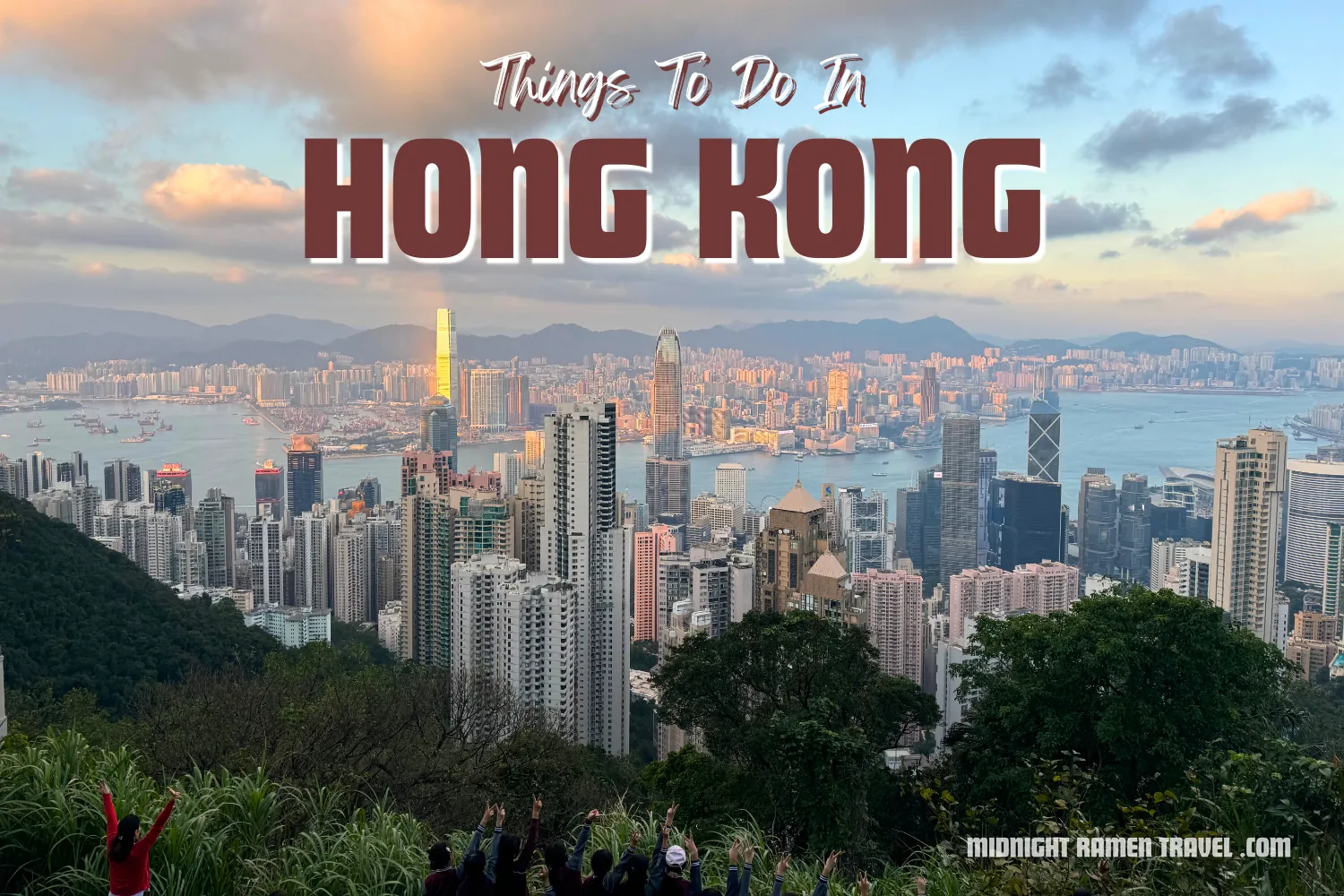
Looking for the best things to do in Hong Kong? This guide covers 40+ first-hand picks across Hong Kong Island, Kowloon, the outlying islands, viewpoints, food stops, markets, temples, museums and easy day trips, with practical notes on cost, timing and what I would skip. Happy Reading!
Hong Kong is a heavy hitter when it comes to the amount of things to do for its size. As someone who loves exploring big, high-energy cities in Asia, Hong Kong is one of my top few favourite cities in the world. You’ve got amazing skyline views, some of the best food in Asia, dense chaotic markets, peaceful temples, outlying islands you can explore, and easy day trips to Macau or mainland China, all connected by one of the best public transport systems on earth.
It is fast paced, loud, and relentlessly on, but if you feed off that kind of environment, Hong Kong is an absolute blast. I’ve been six times now, and I still love going back every time. To make this long list easier to navigate, I’ve grouped everything into a few categories:
- The Essentials: the must-dos I’d put on every itinerary
- Full Day Activities: bigger outings worth considering if your schedule allows
- More Things To Do: the bulk of the list, including attractions, markets, food, walks, parks, views and more
- If It’s Your Thing: a pass for some, a highlight for others (Disneyland, I’m looking at you)
- Random Things I Like To Do: more about getting a feel for local life than ticking boxes
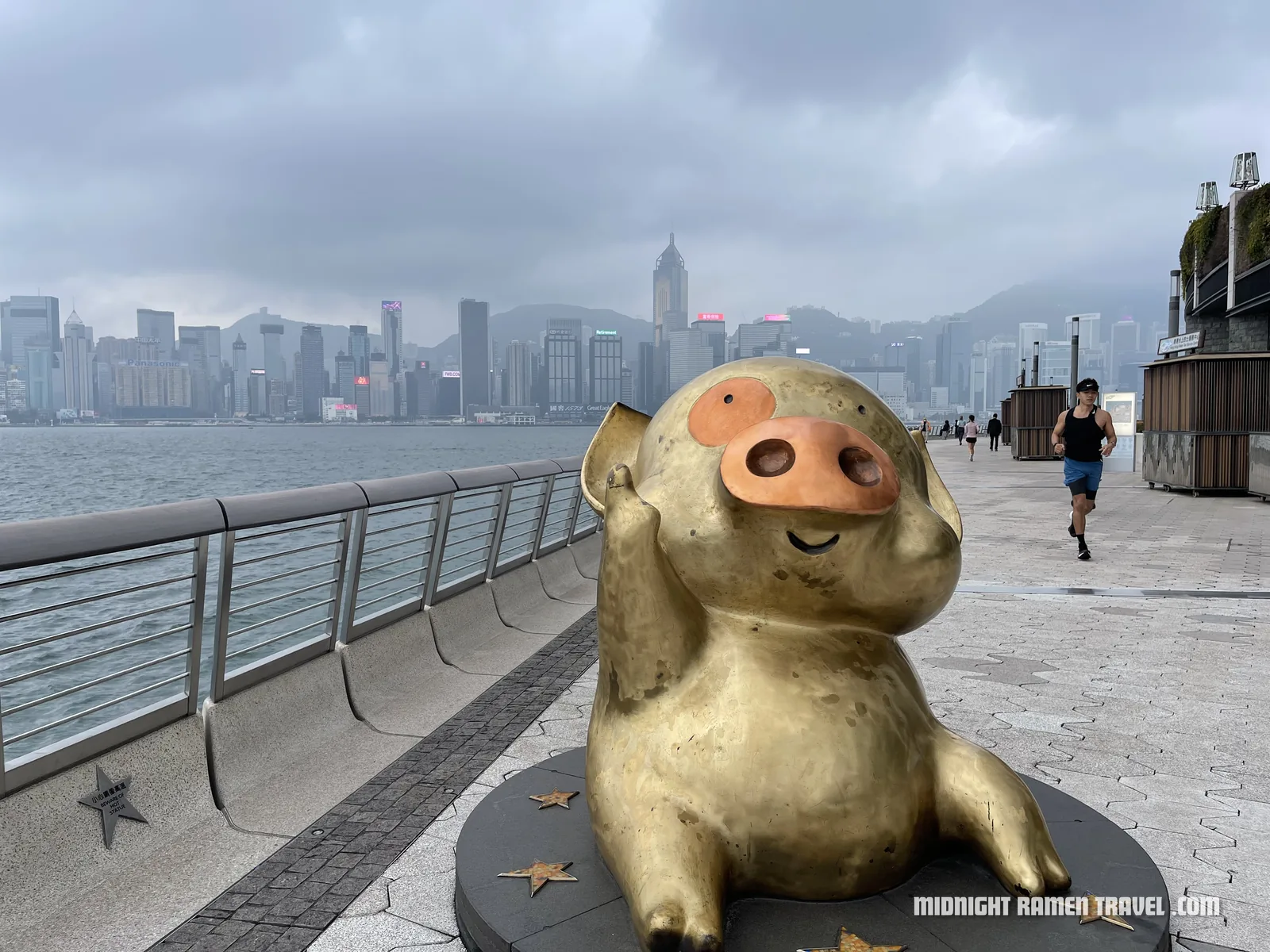
Top Things to Do in Hong Kong — Quick Summary
How to use this guide: I’ve organised this guide to make it easier to plan around your own trip. Start with the essentials, then add the bigger day trips, markets, food stops, neighbourhood walks, and more random local experiences depending on how much time you have. You definitely do not need to do everything. Hong Kong is intense, especially in summer, but there is more than enough here to fill anything from a short city break to a full week.
My top recommended things to do are:
- The Peak: ride the Peak Tram, do the Peak Circle Walk, and see the skyline from above.
- The food: dim sum, roast meat, wonton noodles, cha chaan tengs, and whatever random local place looks busy.
- Victoria Harbour: walk the waterfront, take in the skyline, and take a boat ride at least once.
- The everyday Hong Kong classics: the Star Ferry, Mid-Levels Escalators, and Ding Ding trams.
- The local markets: do a touristy one like Temple Street or Ladies’ Market and also one of the local markets.
- One bigger day out: Lantau, one of the smaller outlying islands, Macau, or the high-speed rail into mainland China.
Planning a Trip to Hong Kong?
Things to Know Before You Go
- Best time to visit Hong Kong? Hong Kong is a year-round destination, with temperatures ranging from around 17°C (63°F) in January to 30°C (86°F) in July. The most comfortable weather is October/November, but expect higher prices and bigger crowds. One thing to plan around: typhoon season runs roughly May–November (peak August–September). Most days are fine, but when a typhoon hits it can shut down transport, shops, and ferries for a day or so. I was once in Hong Kong just after one passed through. Half the trees in the park had branches snapped clean off and the place was a mess. So if you're travelling in summer, build a little flex into your plans. Also note some shops and restaurants close over Chinese New Year (usually February).
- How many days do you need in Hong Kong? I recommend at least 3 full days (excluding day trips) to experience the best parts of the city, but ideally 4-5 days. Personally I could easily fill up 2 whole weeks - so it is really up to how much you want to explore and at what pace.
- How much does it cost? Hong Kong is one of the pricier destinations in Asia, particularly for accommodation, roughly US$200+ for higher-end hotels, US$140–180 mid-range, US$80–120 budget hotels, and US$40–50 for hostels. Activities can add up, but public transport is excellent and very affordable, and food is cheap if you eat where the locals eat. I'd budget US$80–150 per day per person excluding accommodation and shopping.
- Visa: Many nationalities can enter visa-free, though the length varies a lot by passport, anywhere from 7 to 180 days. As an Australian, I get 90 days visa-free, but check your specific country before you book.
- Language: Cantonese is the main language, but English is widely spoken, and Mandarin is common too.
- Currency: Hong Kong dollars (HKD) (100HKD = approx. $13USD)
- Cash vs Card: Both widely accepted, but many local restaurants and street vendors are cash only so grab some from an ATM on arrival.
- Safety: Hong Kong is one of the safest major cities in the world. Violent crime is rare and it's very comfortable to walk around at night, including solo. The emergency number is 999.
- Tipping: Tipping in Hong Kong is not mandatory or generally expected, and a 10% service charge is often added to restaurant bills. That said, I've found tour guides may still expect a tip.
- Power plug: Type G (same as the UK). 220V, 50Hz.
- Getting there: Fly into Hong Kong International Airport, or arrive by high-speed train from mainland China.
- Getting around: The MTR is excellent, affordable, and covers most of what you need. Your Octopus card works across the MTR, buses, ferries, and trams. Taxis are easy to find. HKTaxi and Uber are the main apps.
- Tax refund: No tourist tax refund scheme, but Hong Kong charges no general sales tax on most goods, which already makes shopping here good value.
- Book accommodation early: well-located budget and mid-range places fill up fast, often more than a month out. I'd check both Agoda and Booking.com, since prices vary enough between the two that it's worth comparing before you book.
- Pre-book an eSIM: so you're connected the moment you land.
- Download Google Translate offline (Cantonese), the camera translation feature is genuinely useful for menus and signs.
- Pre-book attraction tickets & download the activity apps: Peak Tram and Disneyland especially sell out. Download whichever app you book through.
- Airport Express tickets: worth pre-booking for a small saving if you know you'll take the train.
- Trip planning: The Hong Kong Tourism Board is a great resource.
Things to Do Upon Arrival
- Get connected: Switch on your eSIM, or grab a physical SIM at the airport or any 7-Eleven.
- Grab some cash from an ATM: Hong Kong is fairly card-friendly, but you'll want cash for smaller local restaurants, street vendors, and markets.
- Get your Octopus Card: available at the airport, MTR stations, and convenience stores. A standard card is around HK$150 (~US$20), which includes HK$100 stored value and a HK$50 refundable deposit upon return.
- Getting into the city:
- Airport Express: fastest option, 24 minutes to Hong Kong Station. Around US$15 one way, slightly cheaper if pre-booked.
- Bus: cheaper and more convenient if your accommodation isn't near an Airport Express station. Around US$5.
- Taxi: easiest if you have heavy luggage or arrive late at night. Expect roughly US$35–45 depending on where you're staying.
Booking Cheatsheet
Most of these are cheaper online than at the gate, and a few, especially the Peak Tram and Disneyland, can sell out (consider bookmarking this section before your trip! 😊)
→ Aberdeen Fishing Village Boat Tour
Wondering where to stay in Hong Kong?
These are the Hong Kong hotels I'd check first, grouped roughly by budget. Use them as a starting point, then compare dates and reviews before booking.
For the full rundown on the best areas and hotels, read my Hong Kong where to stay guide.
THE ESSENTIALS
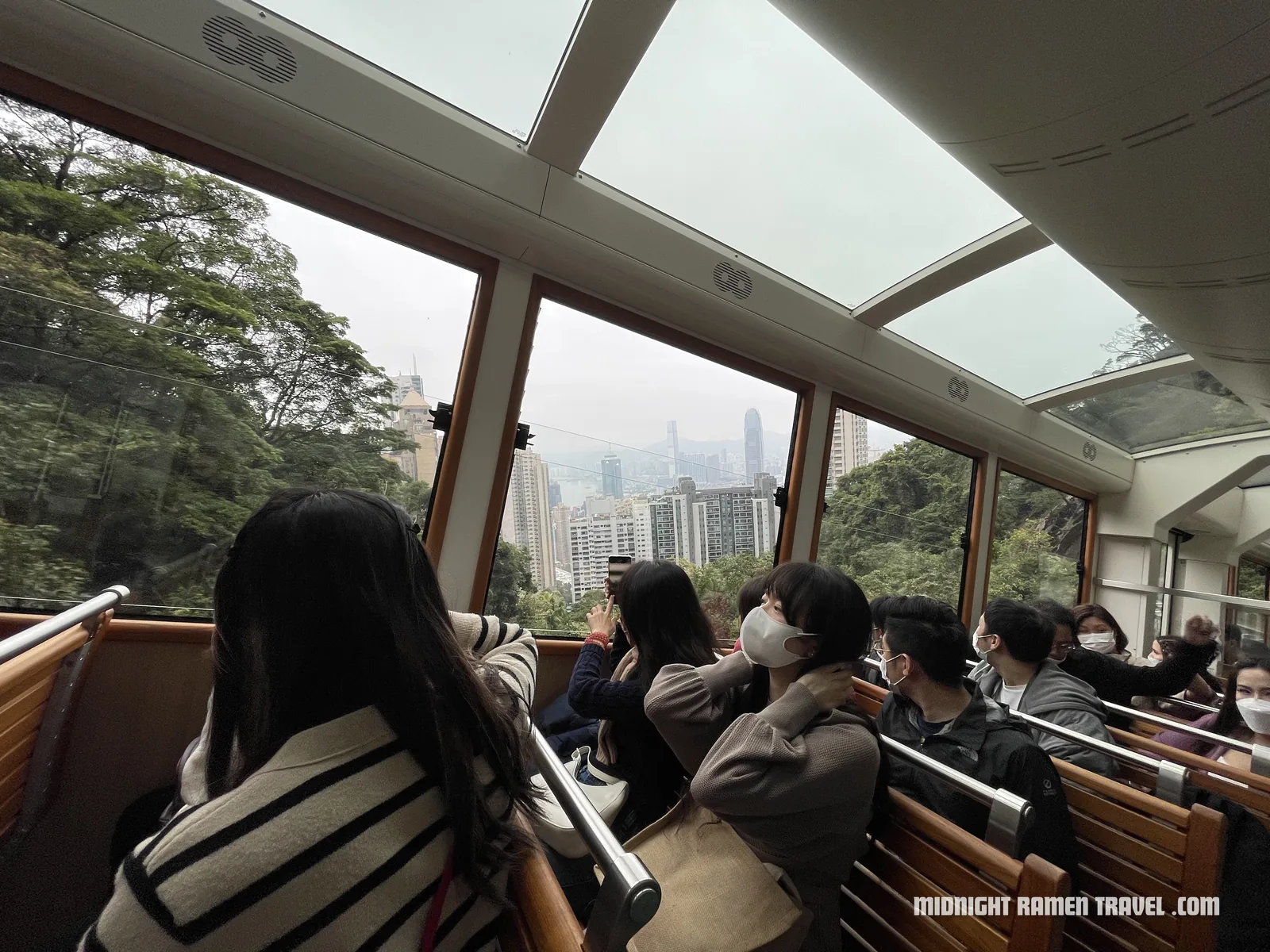
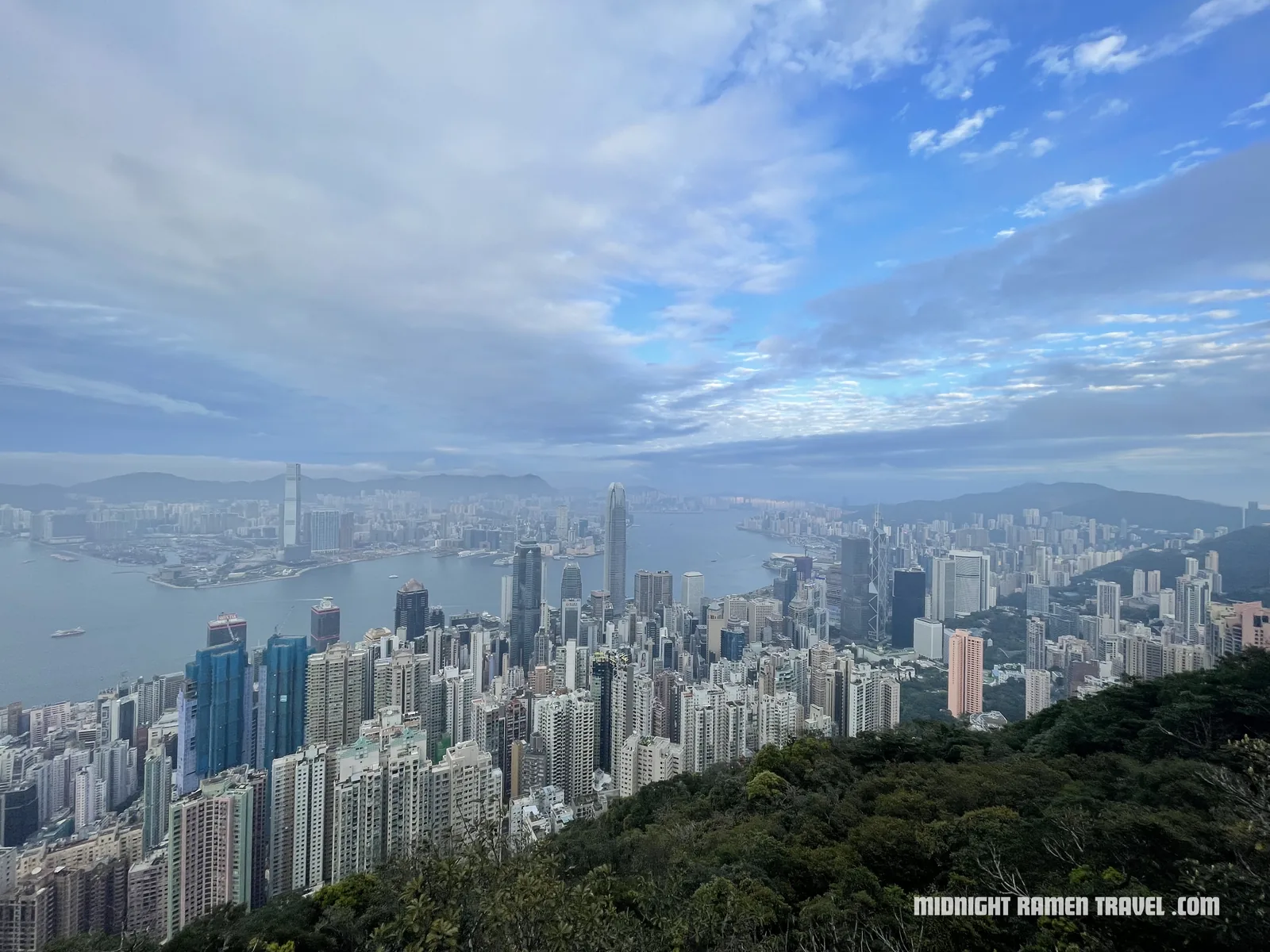
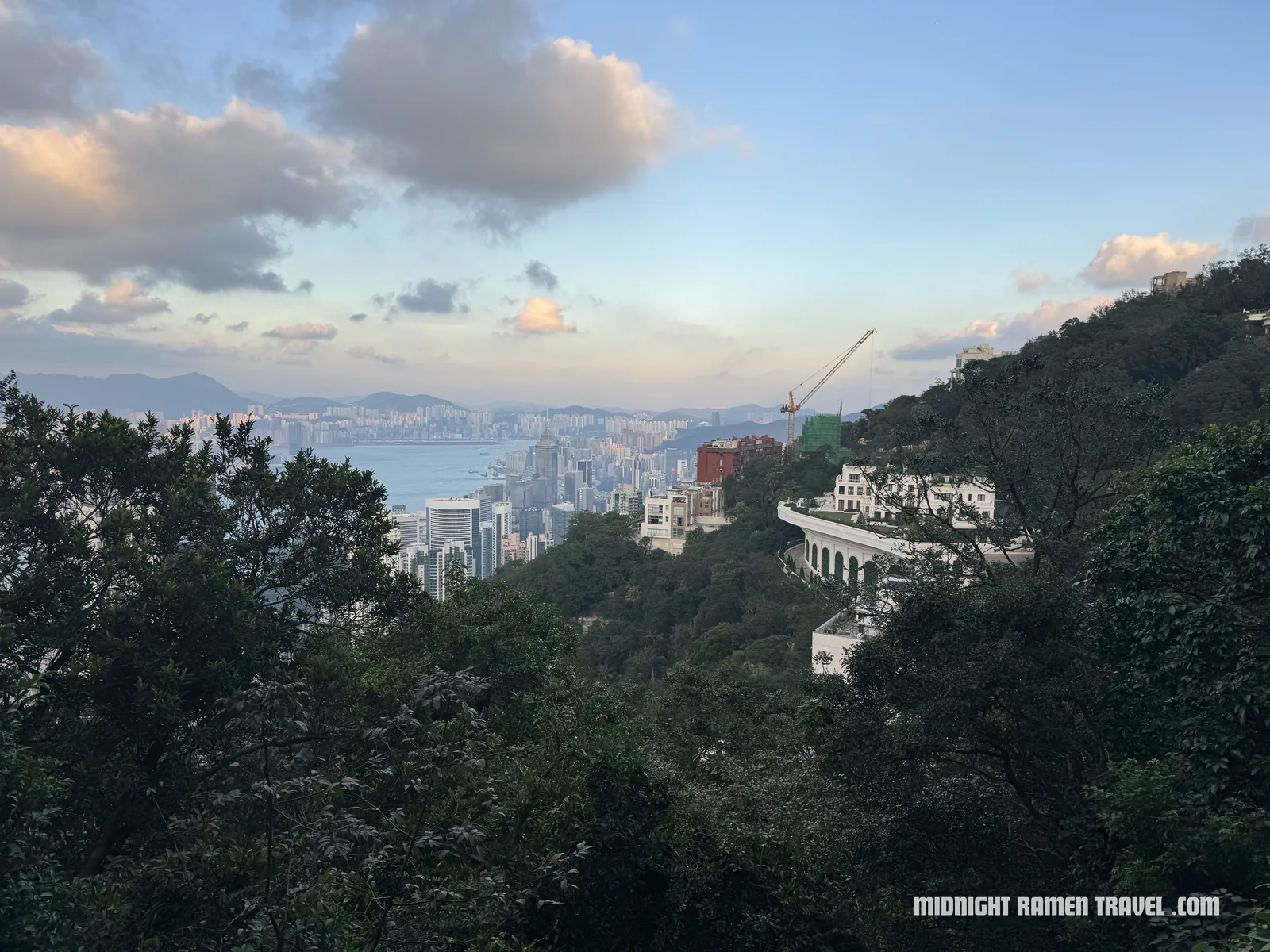
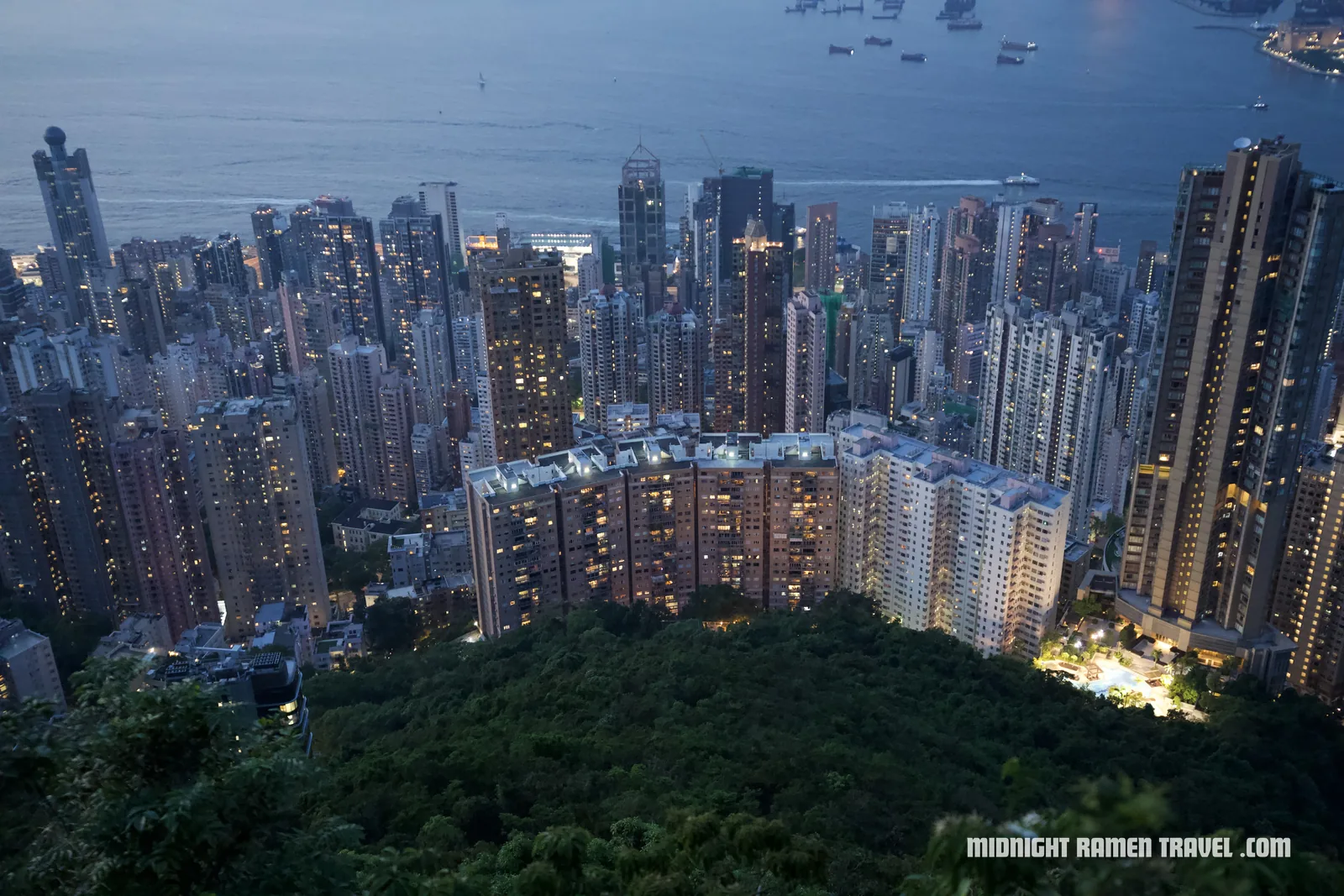
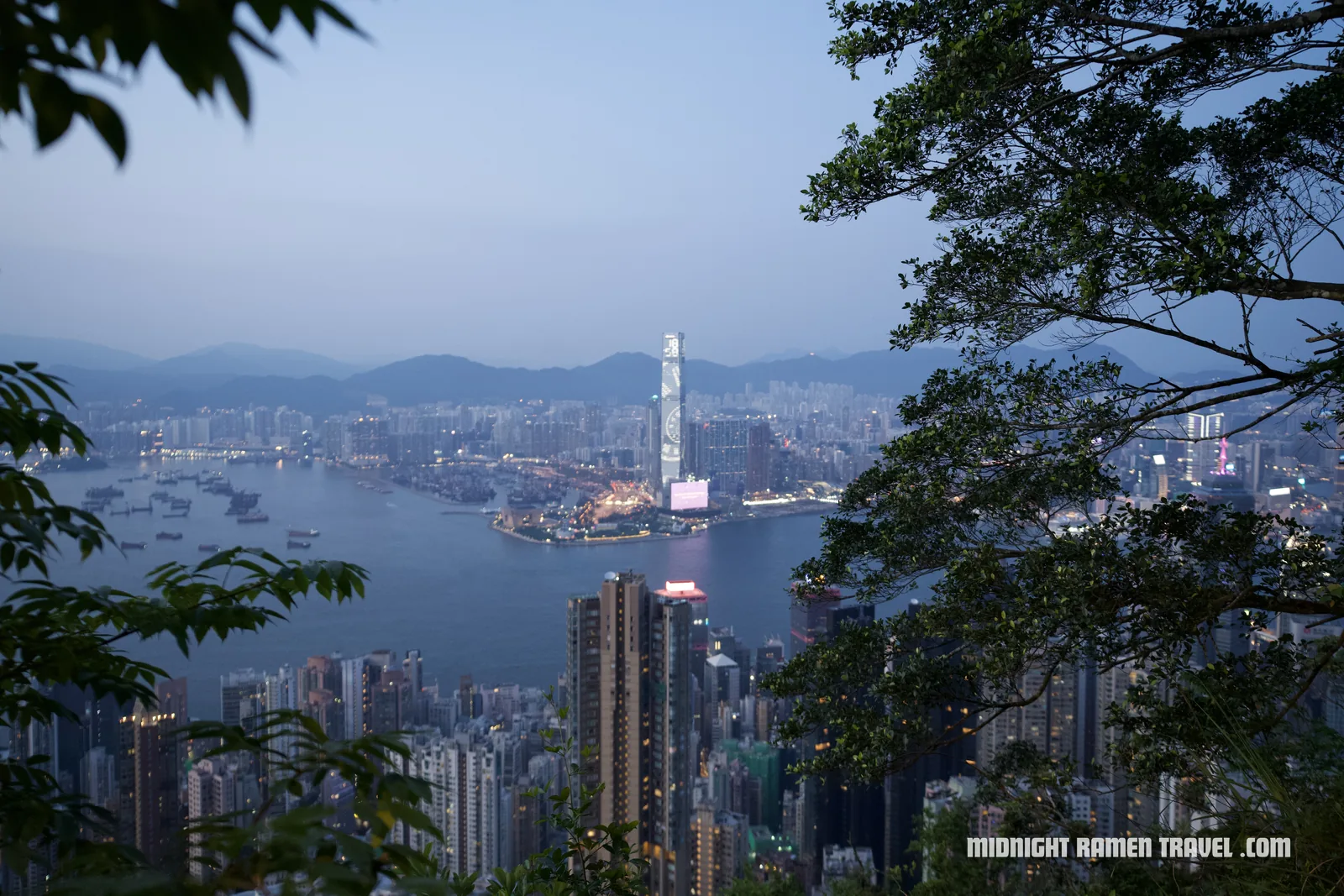
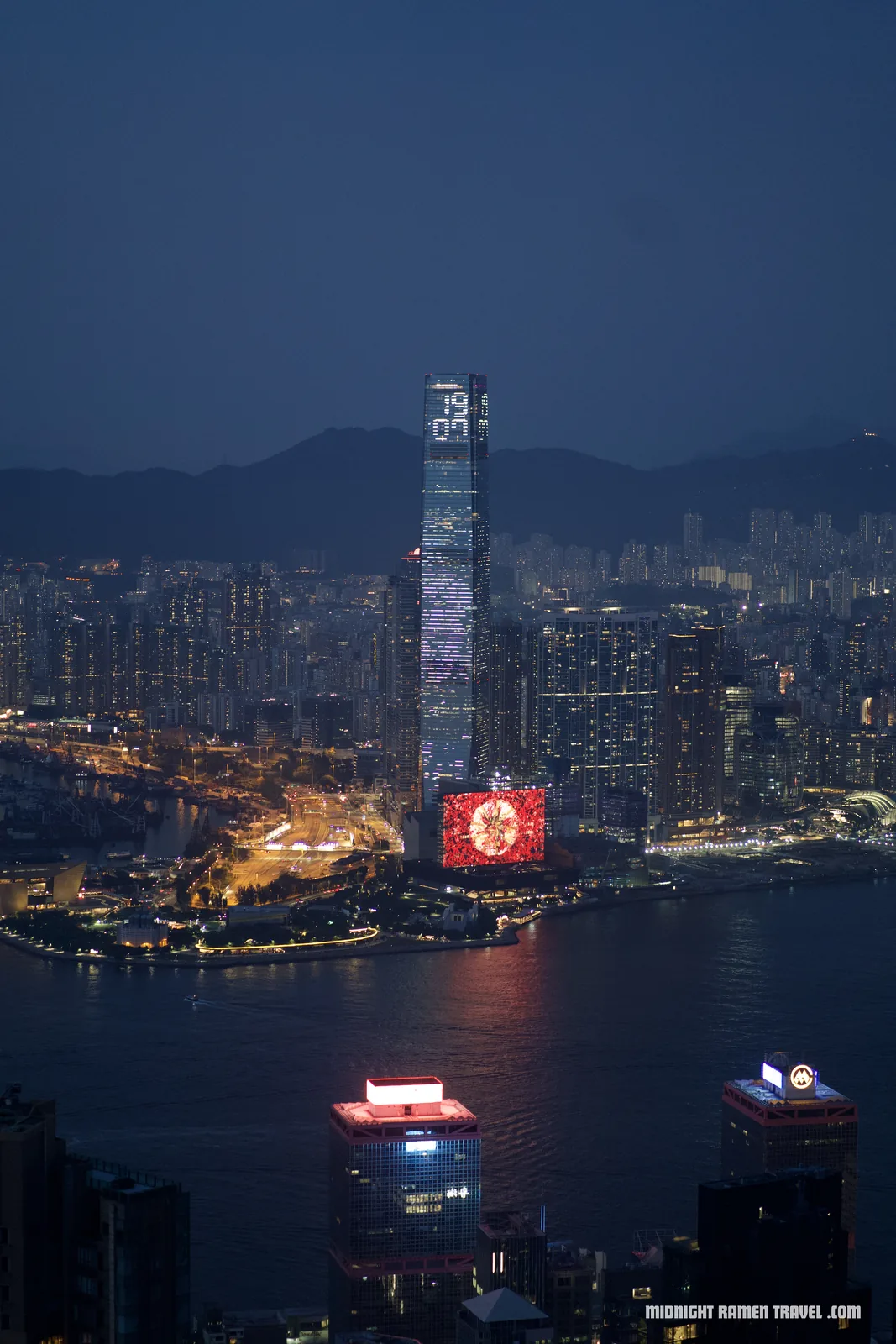
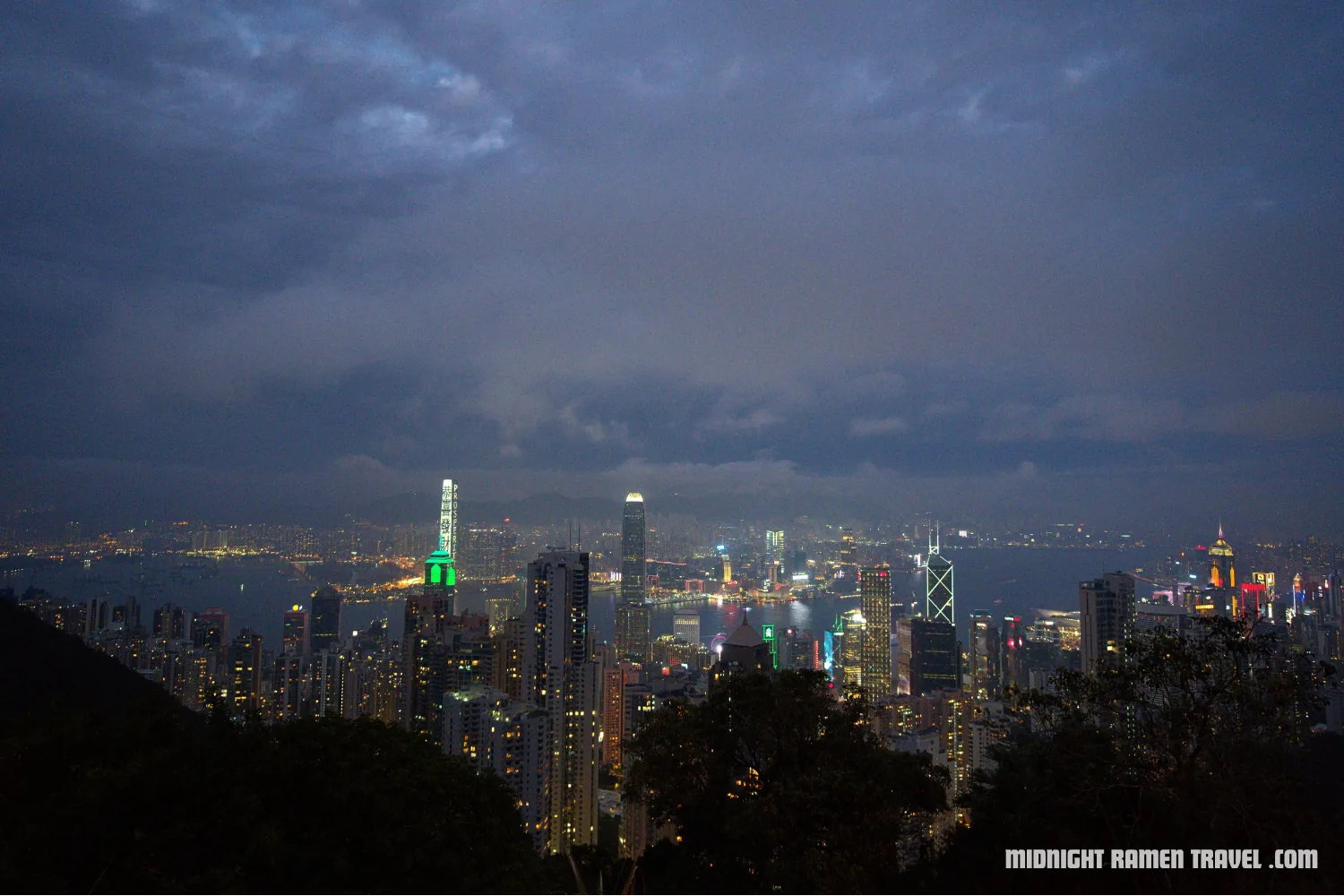
1. Visit The PeakRide the Peak Tram and Walk the Peak Circle
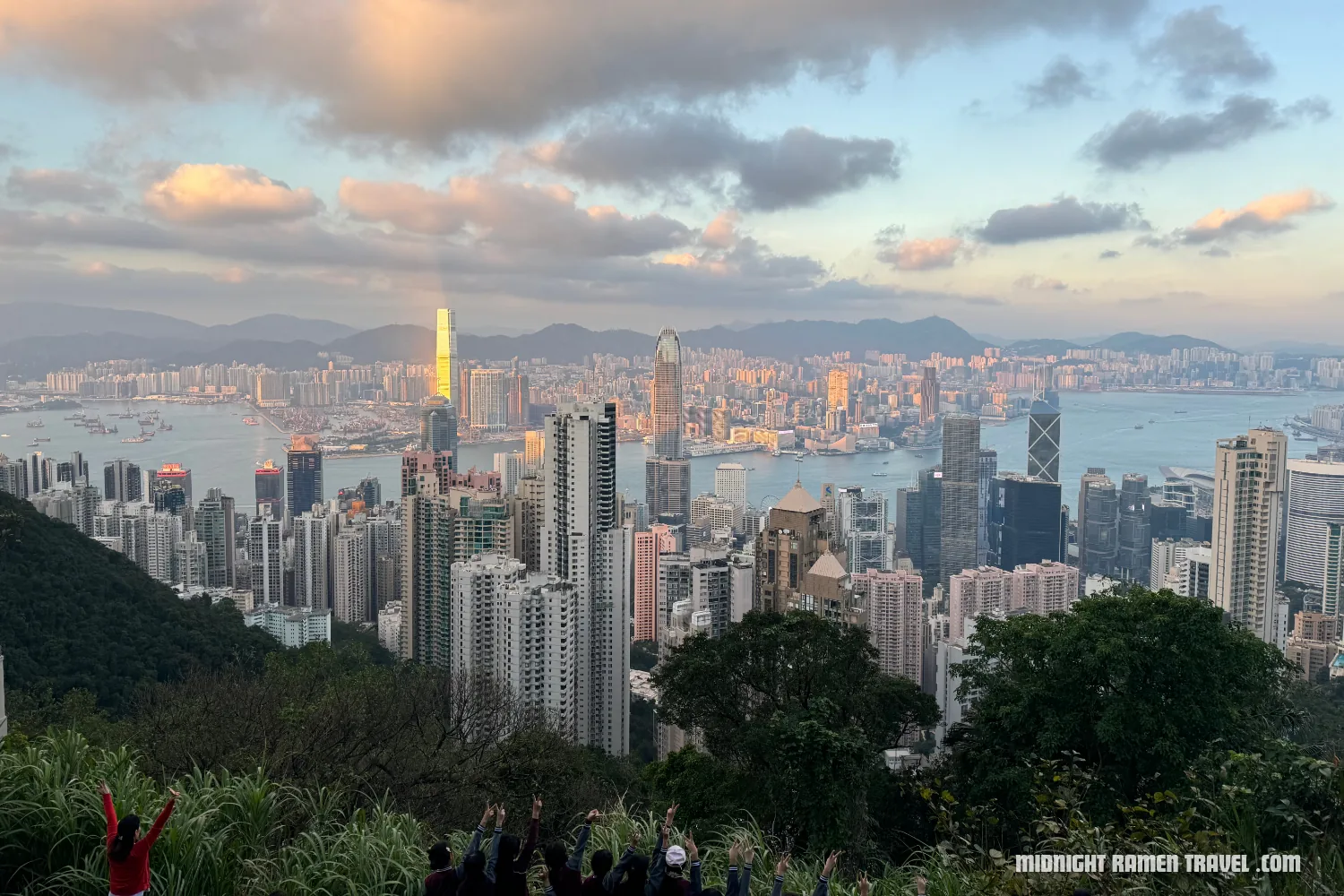
I will never get tired of that view!! 😍
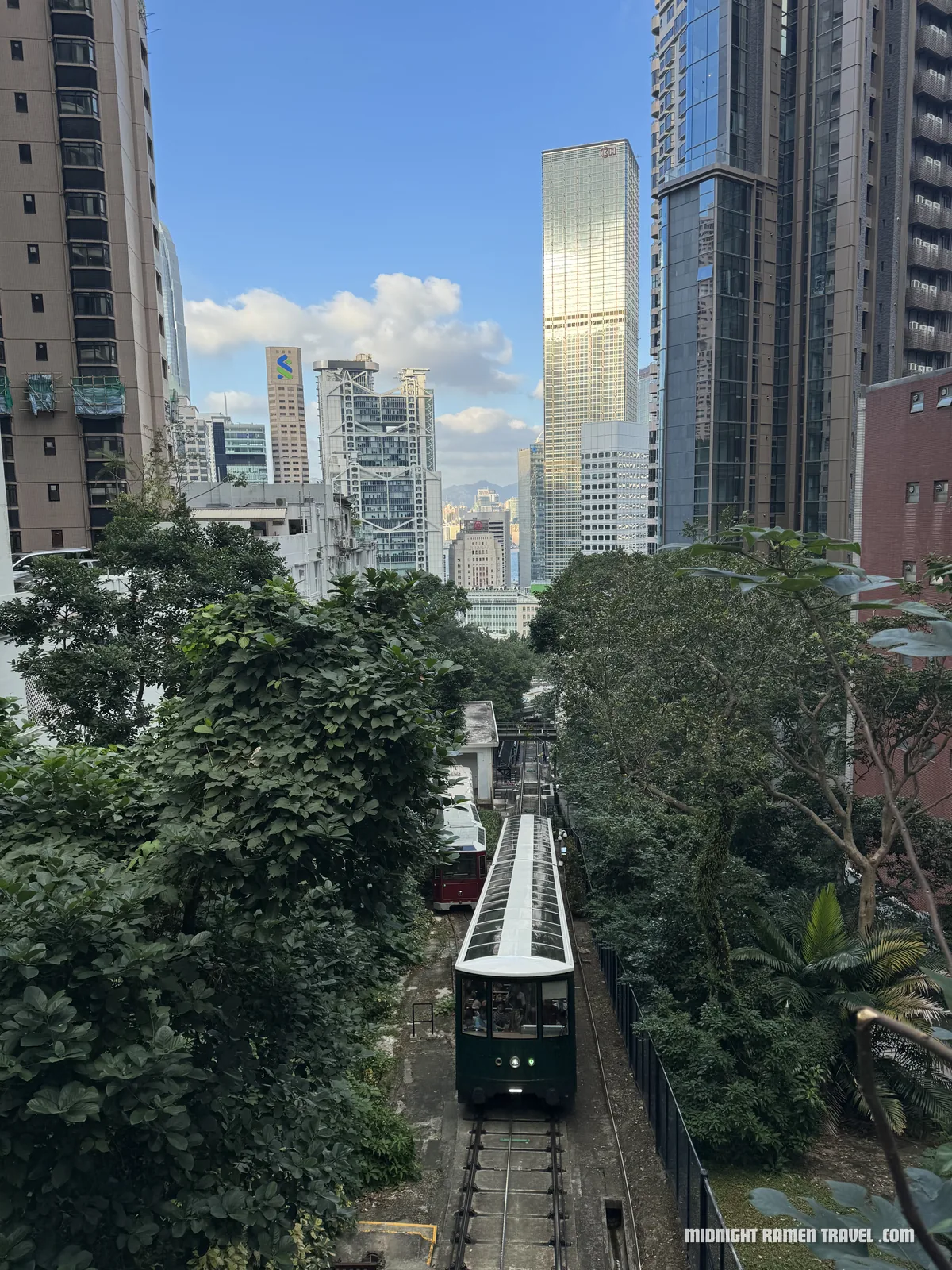
There are two main ways to get up to The Peak: 1) take the Peak Tram, or 2) walk up. I’ve done both multiple times. For most people, I would recommend taking the Peak Tram given the walk takes about an hour and is quite steep, but if you’re the adventurous or hiking-loving type and have the time, then walking up is also a very satisfying option, you will definitely feel you have earned the view once you get to the top!
Once you reach the top, I also highly recommend doing the Peak Circle Walk. Allow about 45 minutes. It’s an easy, scenic walk and gives you some of the best views of Hong Kong.
The best way to do The Peak, in my opinion, is to head up about an hour before sunset, do the Peak Circle Walk first, and then watch the city transition from day to night. Seeing Hong Kong light up from up there is pretty hard to beat. Although note, it will be busy.
There is also an observation deck at The Peak, Sky Terrace 428, which requires a separate ticket if you are interested. The free viewpoints along the Circle Walk are already excellent though, so I’d only bother with Sky Terrace if you want the full 360° view from the very top.
If you’d like to get an idea of what it’s like, I have made a video on taking the Peak Tram, walking the Peak Circle, and the view from Sky Terrace 428:

- Getting there: The Peak Tram lower terminus is at 33 Garden Road, Central, about a 10-15 minute walk from Central MTR Exit J2. You can also take bus 15C, a short shuttle that runs between the Central Star Ferry Pier and the Garden Road lower terminus (about HK$5.40).
- Hours: The tram usually runs daily from around 7:30am to 11pm.
- Cost: The standard Special Combo (return Peak Tram + Sky Terrace 428) is HK$182 (~US$23) booked direct on the official site, usually a little cheaper again on Klook or GetYourGuide. The return Peak Tram on its own is HK$116 (~US$15).
- Time needed: Allow 2-3 hours for the tram, the walk, and the view.
- Heads up: Check the weather beforehand, Hong Kong can get cloudy, and on a really foggy night you won’t be able to see more than 10 metres!!
→ Click HERE to check current prices and book the Peak Tram
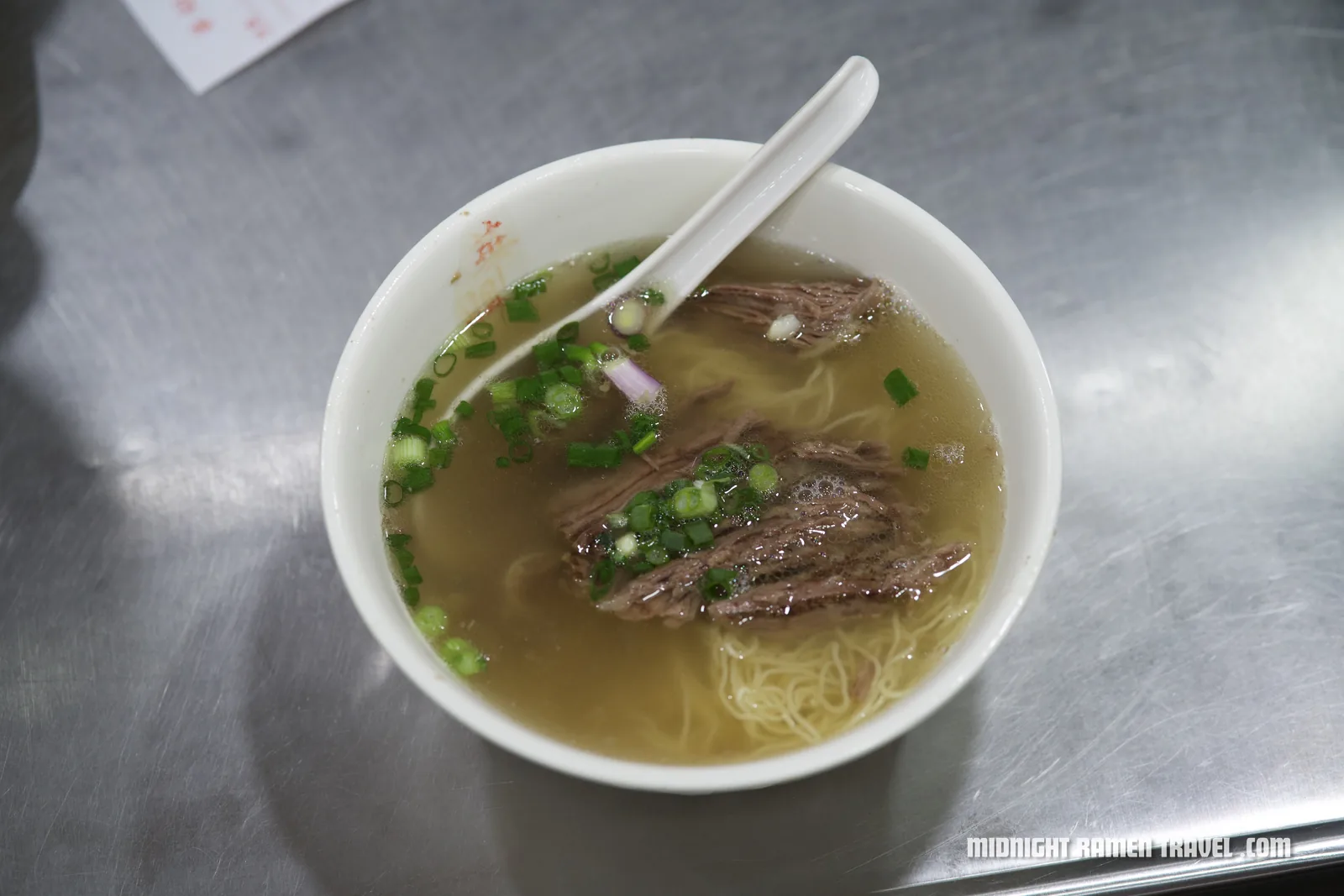
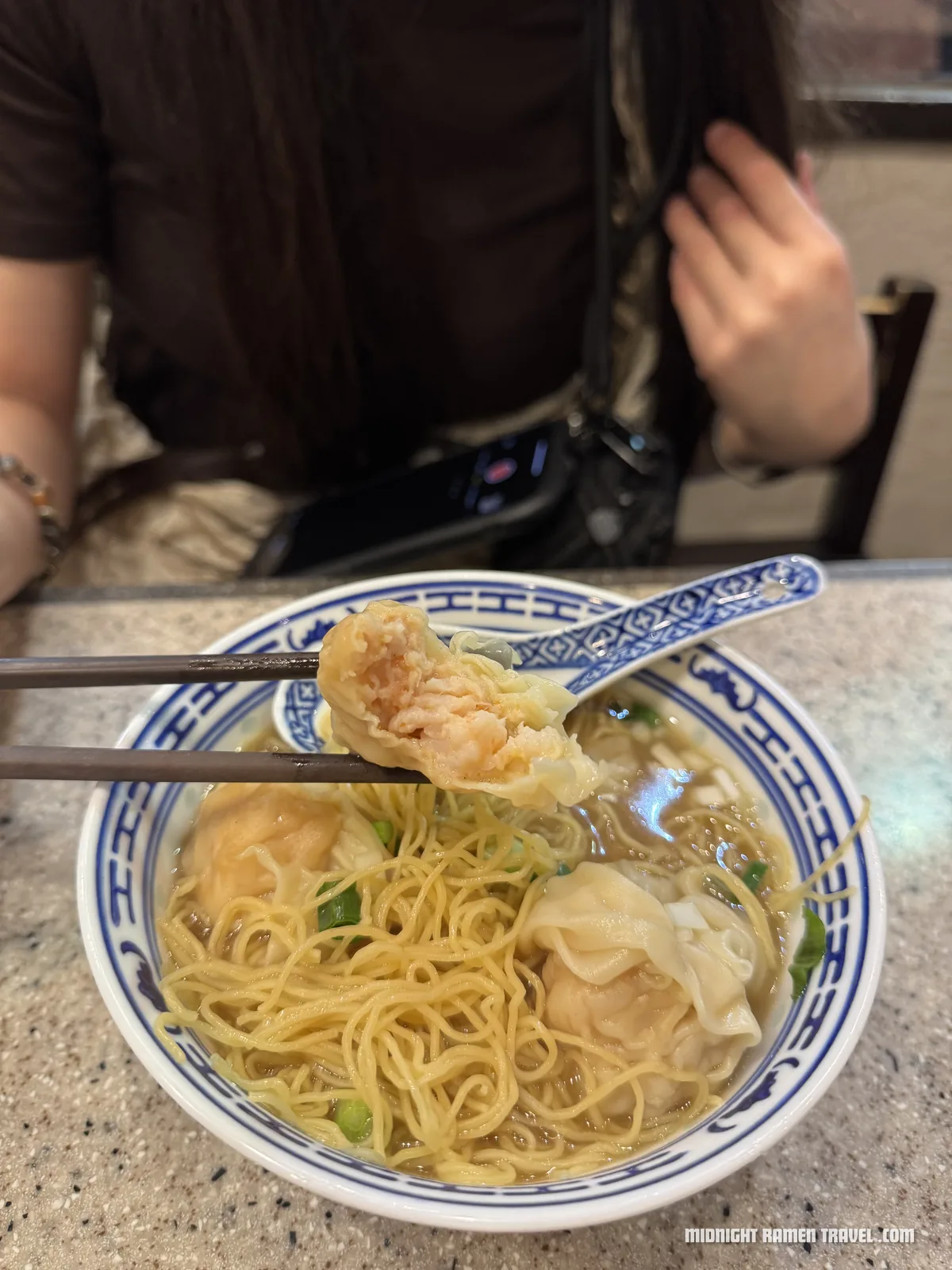
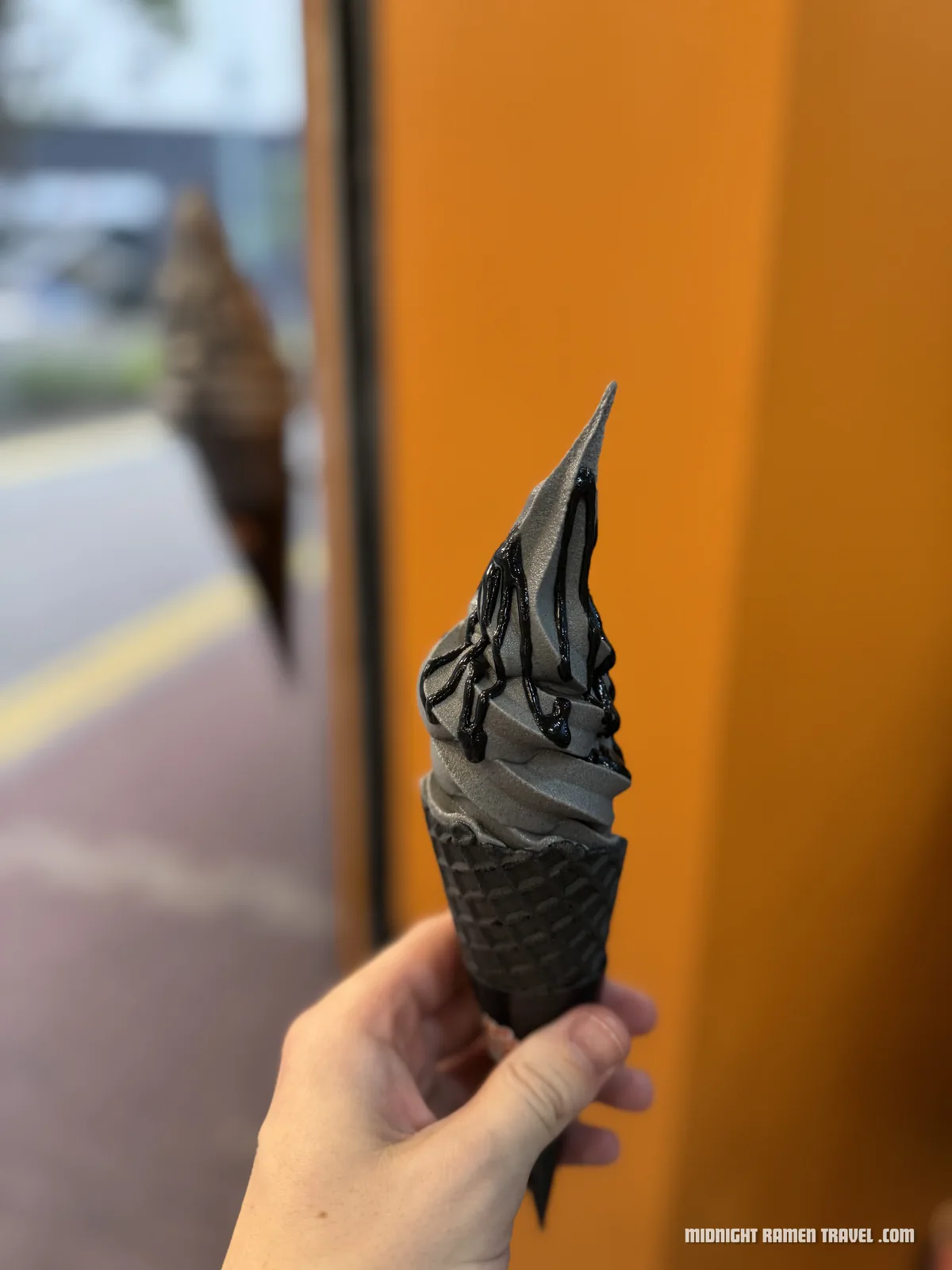
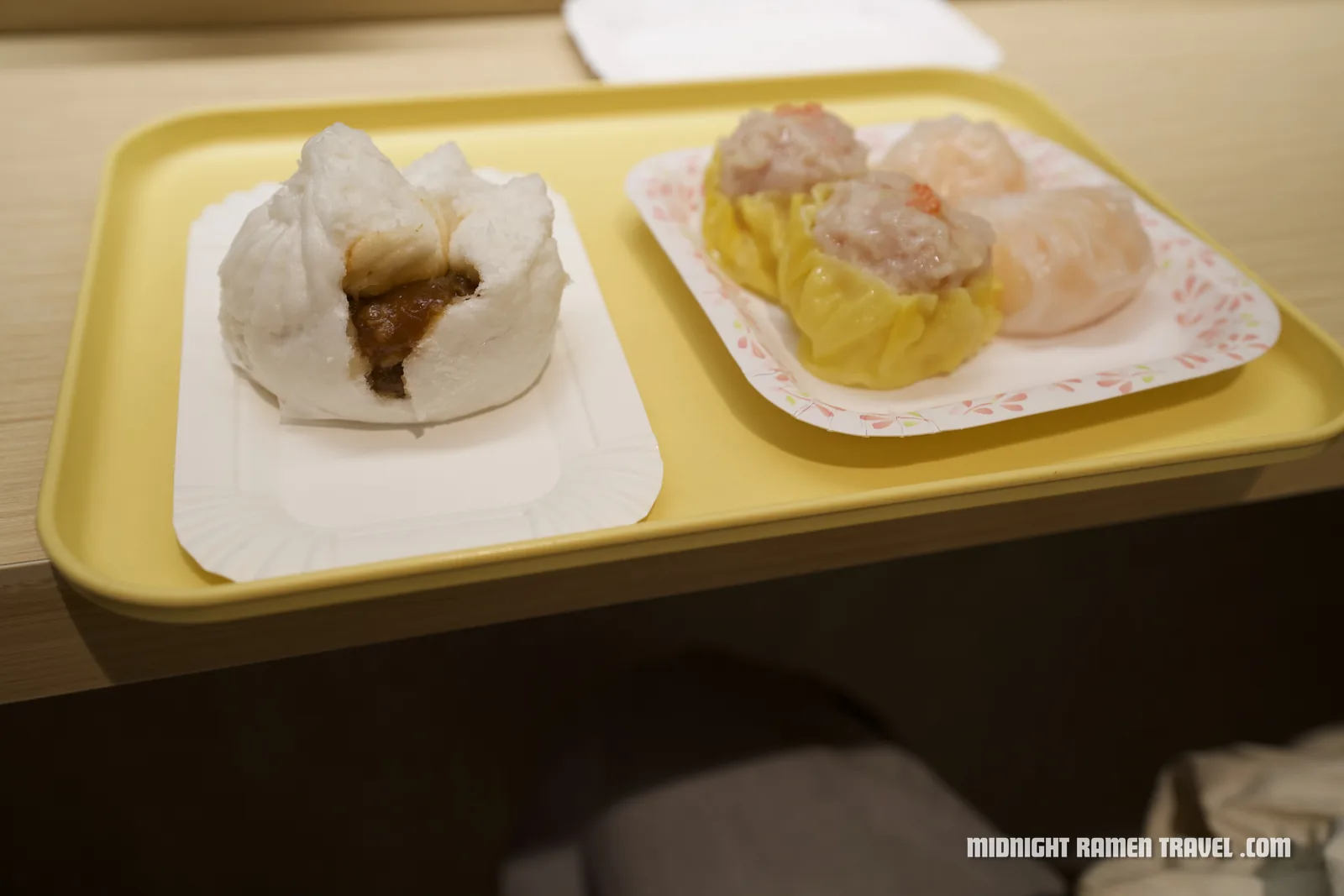
2. Try All the Famous HK FoodsDim Sum, Roast Meat, Wonton Noodles...
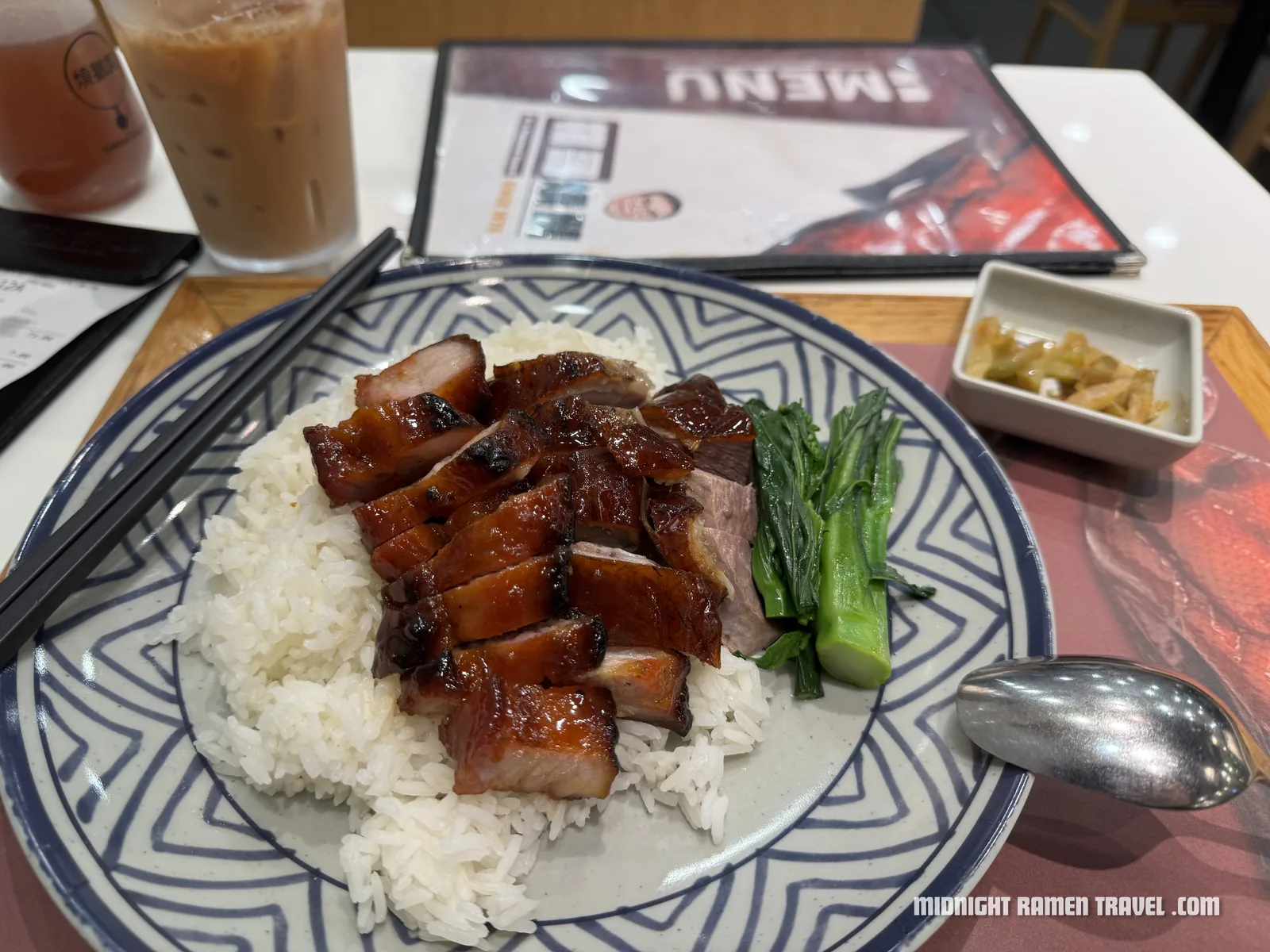
Eating properly is honestly one of the best things to do in Hong Kong, so do not treat food as an afterthought here, it is one of the main reasons to visit. And while Hong Kong can be expensive for things like hotels and attractions, eating well does not have to be expensive if you know where to go. Every time I edited this post, this one moved higher and higher up the list. Honestly, Hong Kong food is just so good.
Some of the classics you should absolutely try are dim sum, roast meat like char siu or roast goose, wonton noodles, pineapple buns, Hong Kong-style milk tea, and at least one proper cha chaan teng breakfast.
I have gone into a lot more detail, including specific restaurants, what to order, and which places I would prioritise, in my Best Places to Eat in Hong Kong post. But as a general rule, if you find yourself walking past some random little eatery with no English menu and full of older local Hong Kongers, congratulations, you may have just found where your next meal should be.
For all my specific restaurant recommendations, what to order, and a lot more food pics, check out these two posts:
- Best places to eat in Hong Kong
- Self-guided Central food walk
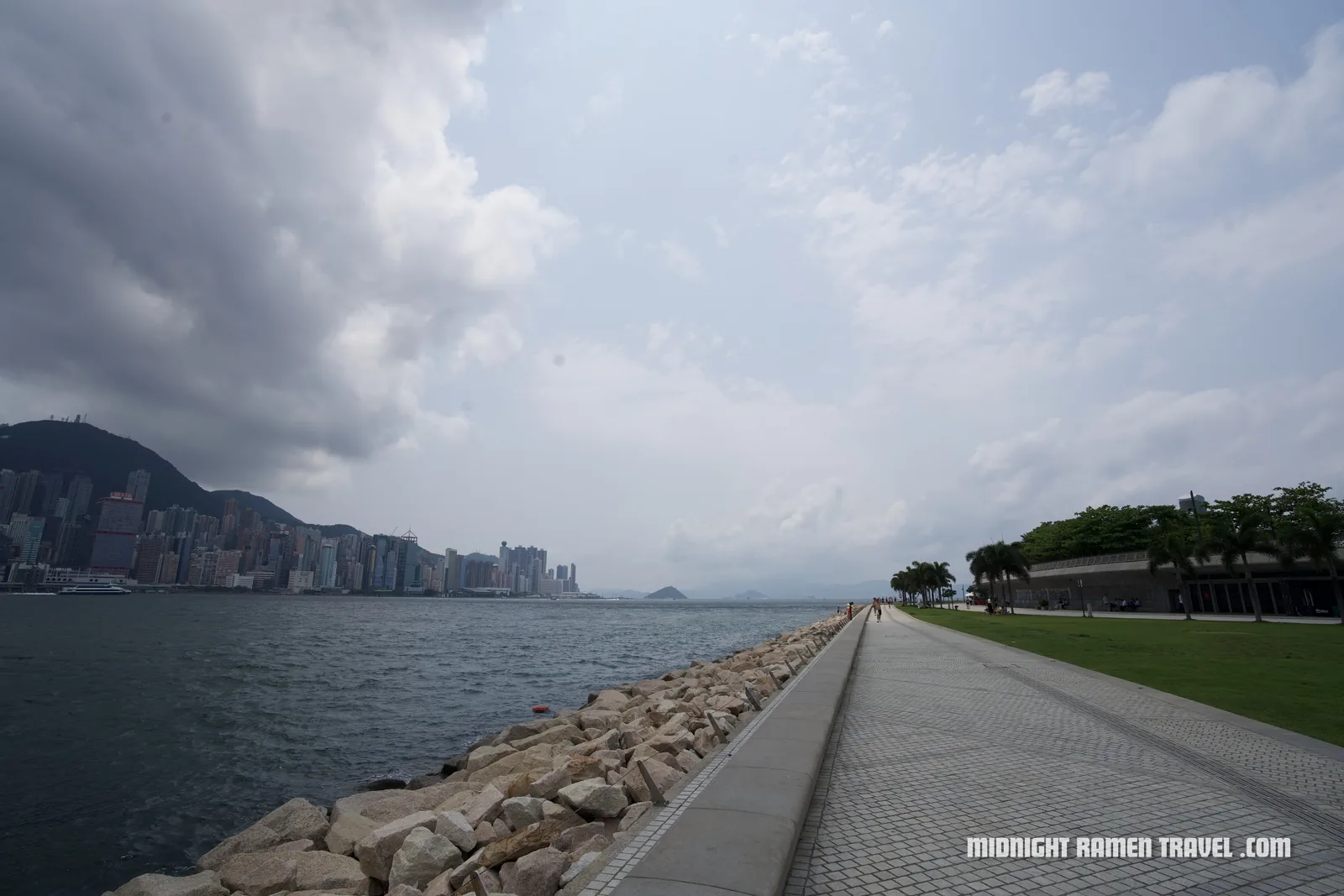
3. Walk Along the Victoria Harbour Waterfront
One of the best free things you can do in Hong Kong is just walk along the edge of Victoria Harbour and take in that famous skyline.
On the Kowloon side, the best stretch is around the Tsim Sha Tsui Promenade and Avenue of Stars, where you get that full classic view back across to Hong Kong Island. This stretch is very popular with runners, so if you brought your running gear, it’s also a great place to go for a run alongside the locals!
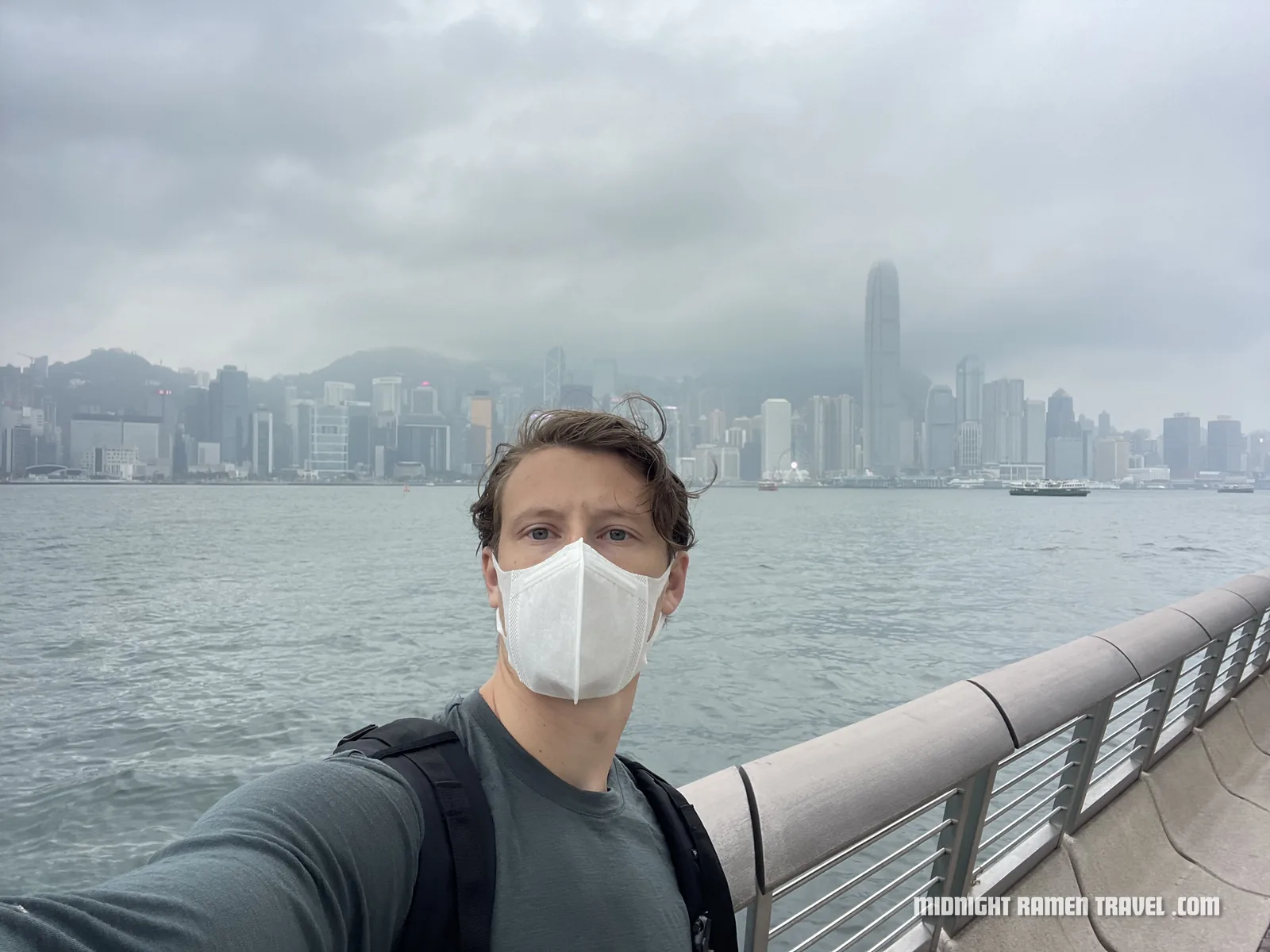
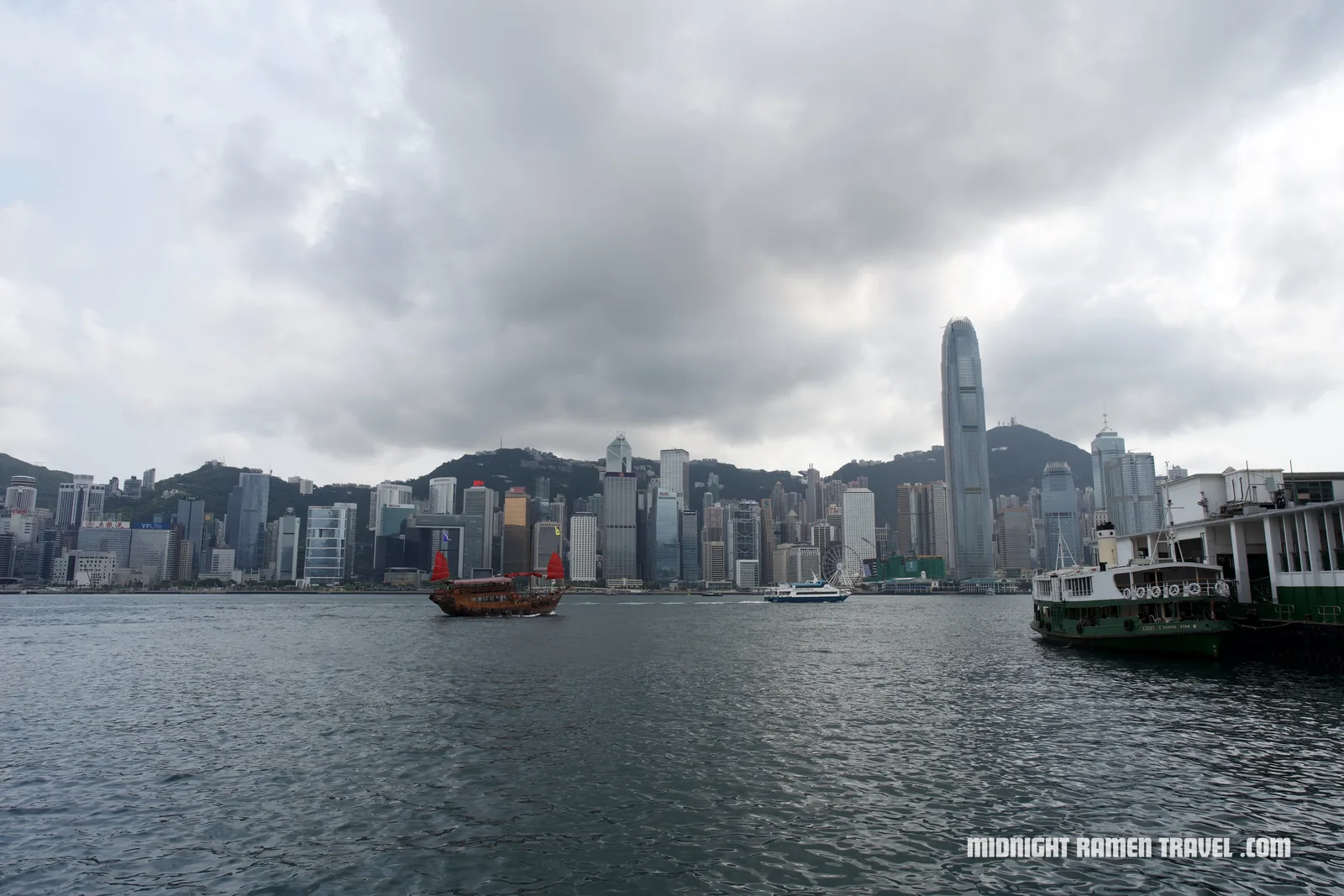
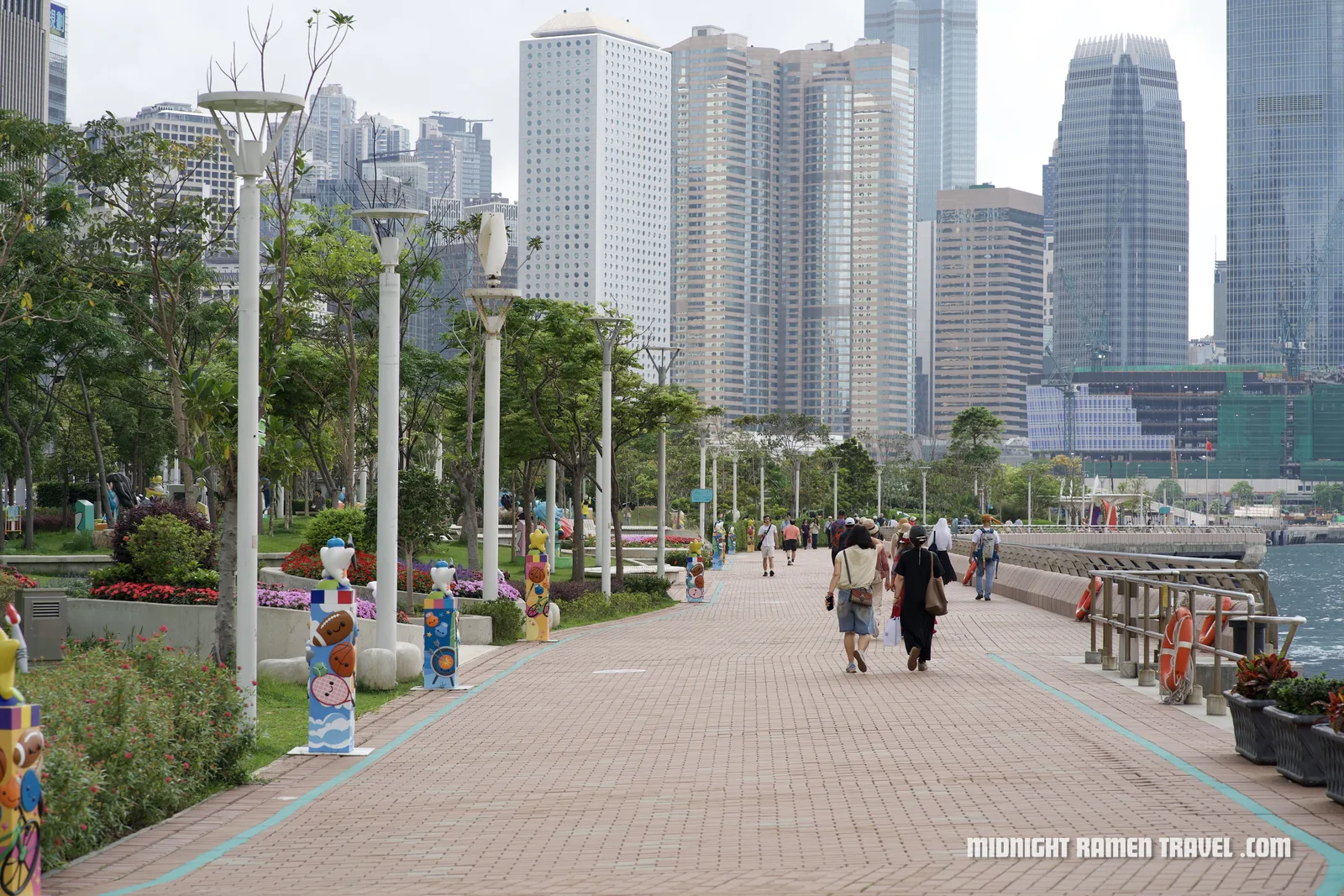
And on the Hong Kong Island side, I also really like the waterfront walk from Central through Wan Chai and further east towards Causeway Bay / Fortress Hill. There are now long connected harbourfront sections, so it makes for a great walk with the skyline on one side and the harbour on the other. I particularly like doing this at night, as you’ll find locals having dog meet-ups, pop-up markets and other fun things going on.
Watch the Symphony of Lights From the Promenade (Before It Disappears in Late 2026!)
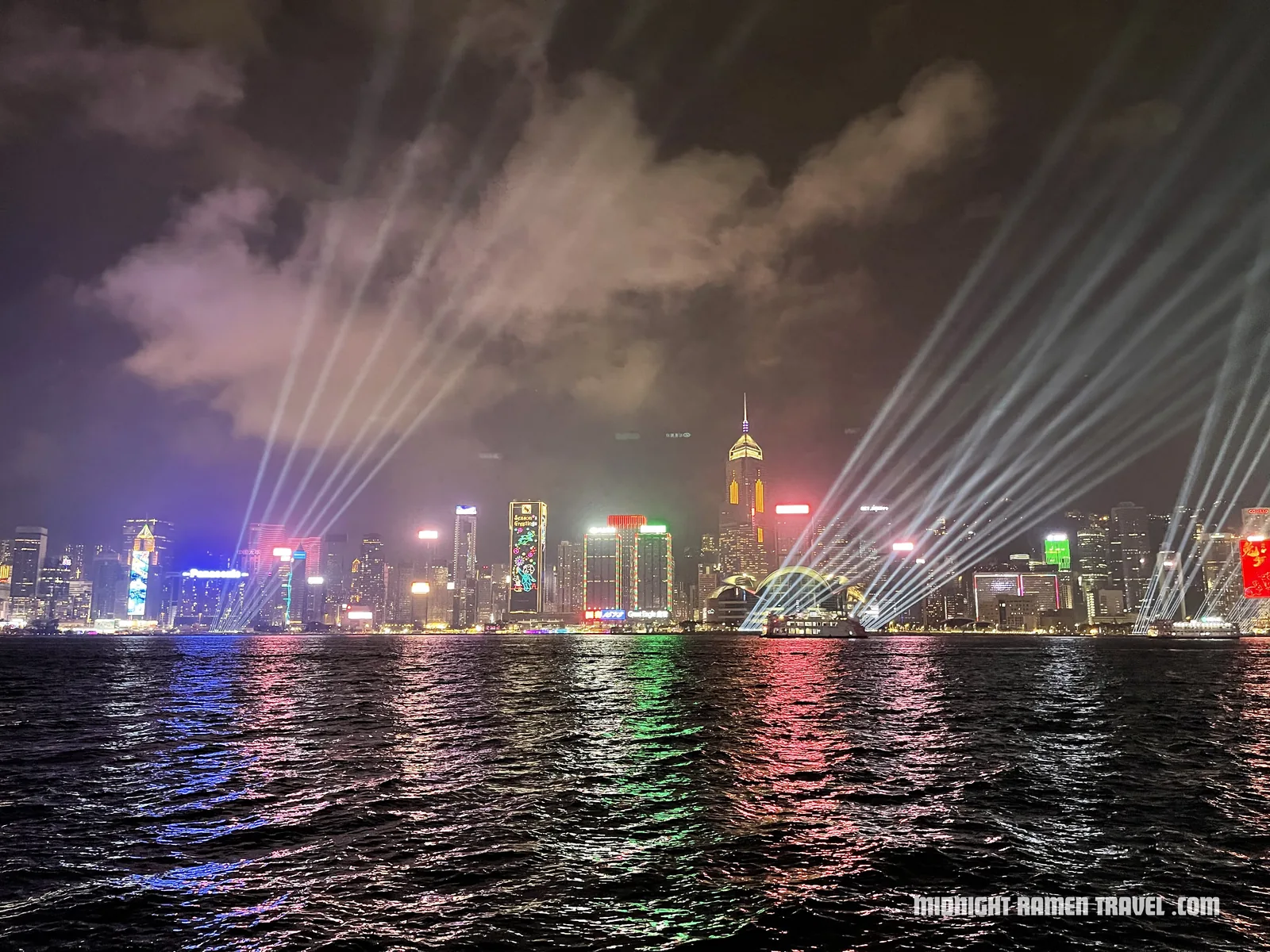
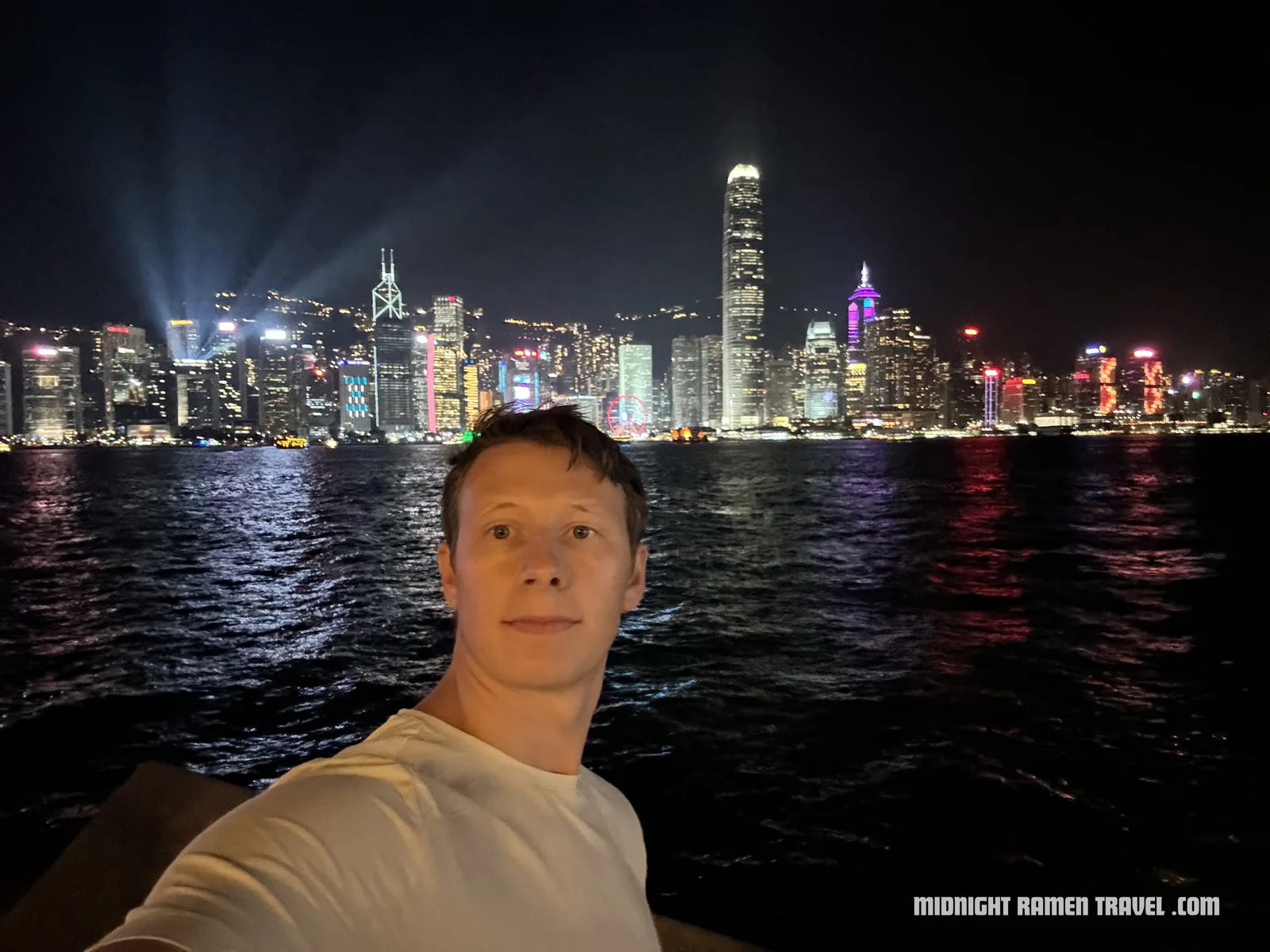
Hong Kong’s Symphony of Lights still runs nightly at 8pm and lasts for about 10 minutes. It’s a bit touristy, but I still enjoy it even after seeing it many times, so I do recommend it if you can, especially if it’s your first trip. Just a heads up though: the government announced in early 2026 that the show will be retired in the second half of the year and replaced with new light shows at various spots around the city. So if you want to catch the original before it’s gone, check whether it’s still running before you go.
- Getting there: For the Kowloon side, take the MTR to Tsim Sha Tsui (Exit J) or East Tsim Sha Tsui and walk down to the promenade. For the Island side, Central, Wan Chai, or Causeway Bay MTR stations all get you close to the harbourfront.
- Cost: Free.
- Time needed: Anywhere from 30 minutes to a couple of hours depending how far you walk. The 8pm light show runs for 10 minutes.
4. Explore the Different Hong Kong NeighbourhoodsGet a Feel for Their Distinctive Style and Energy
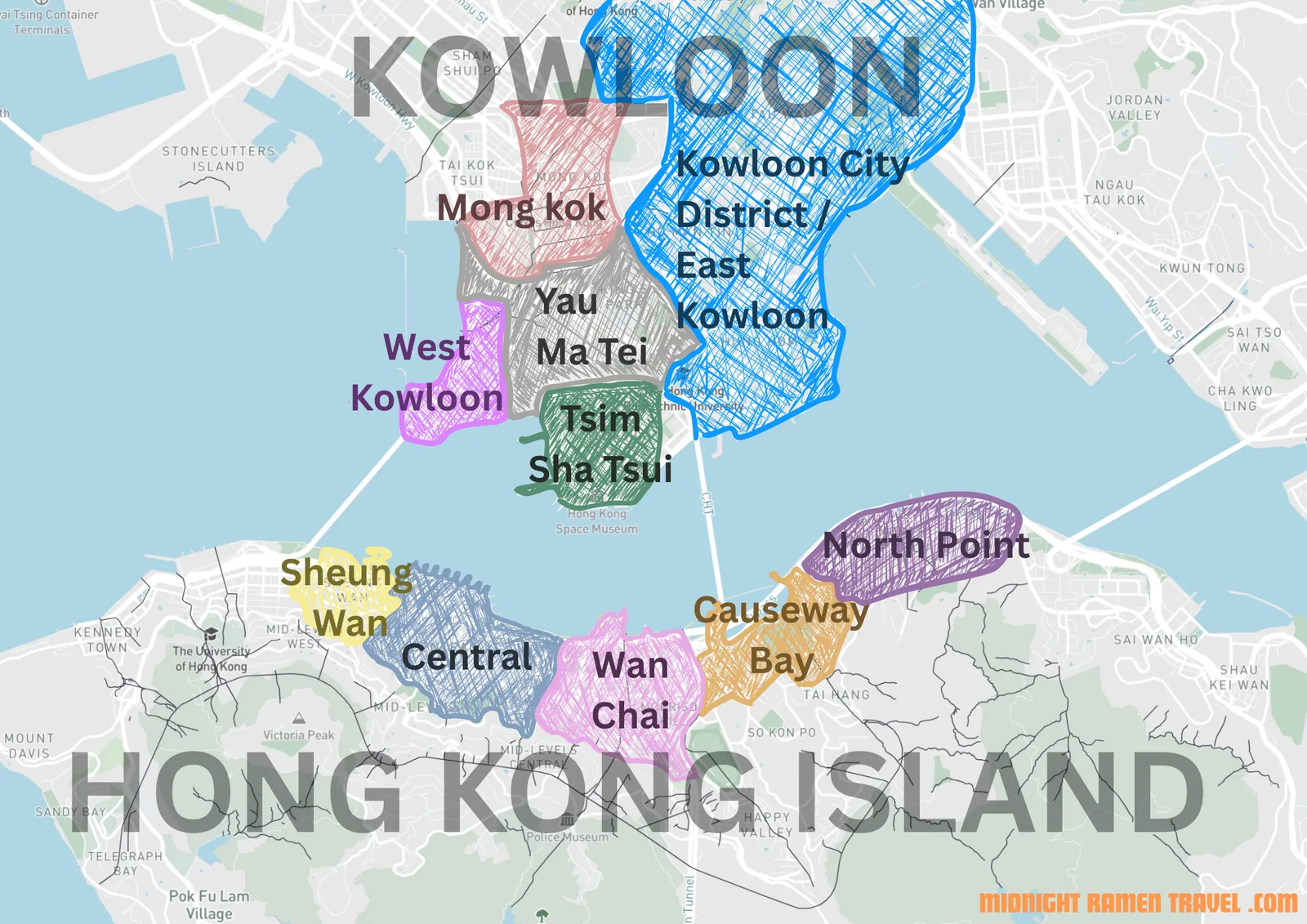
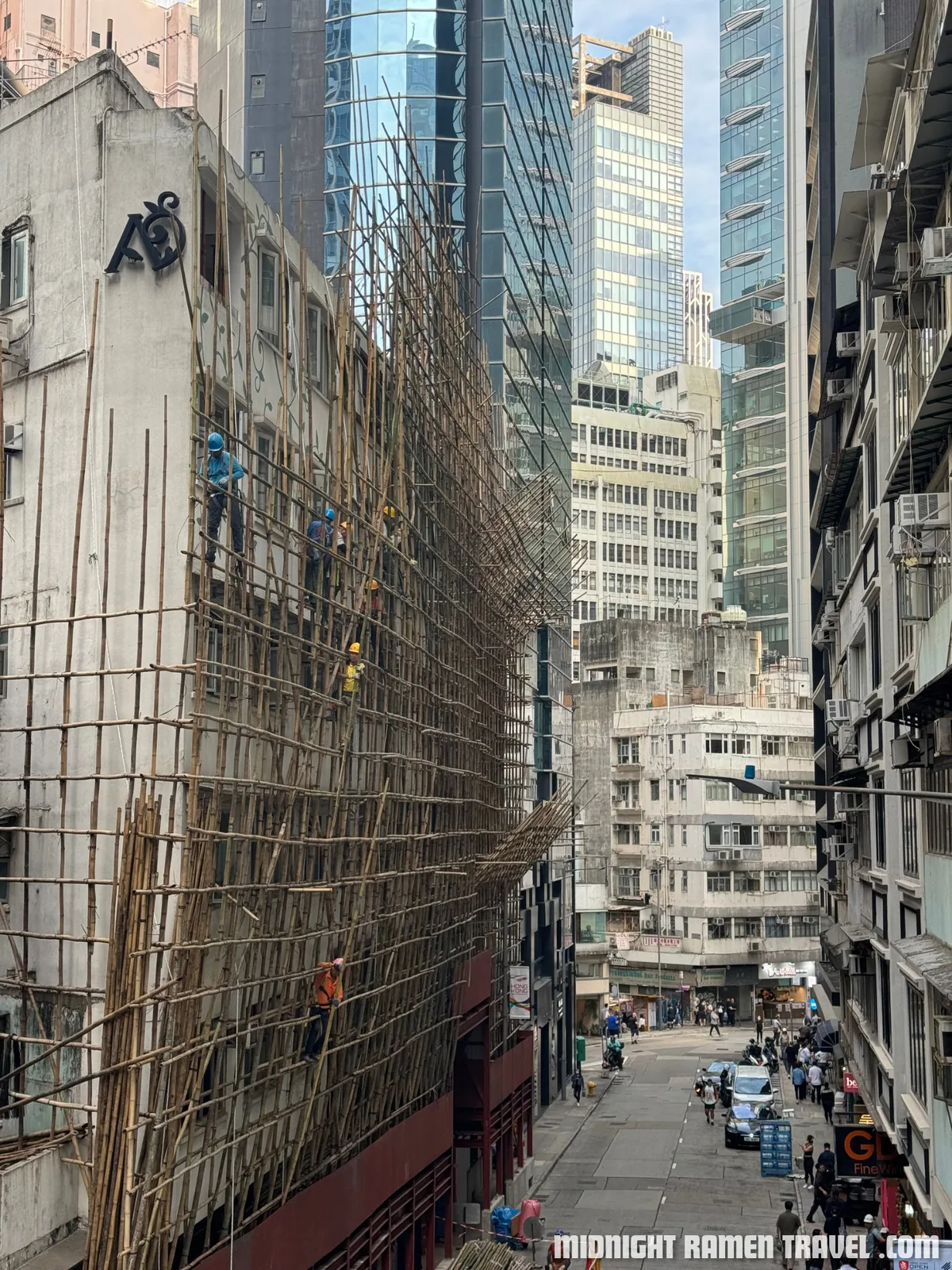
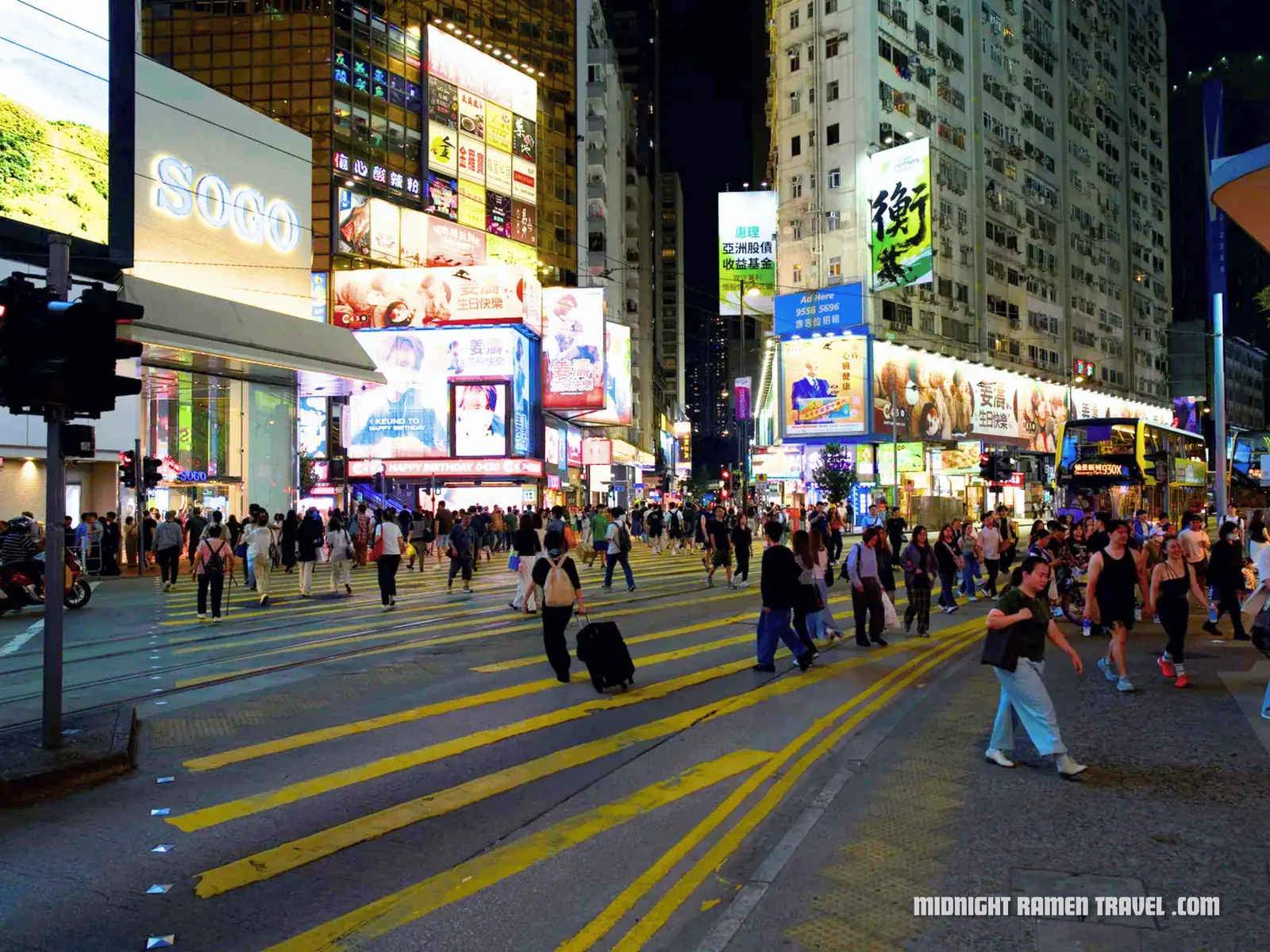
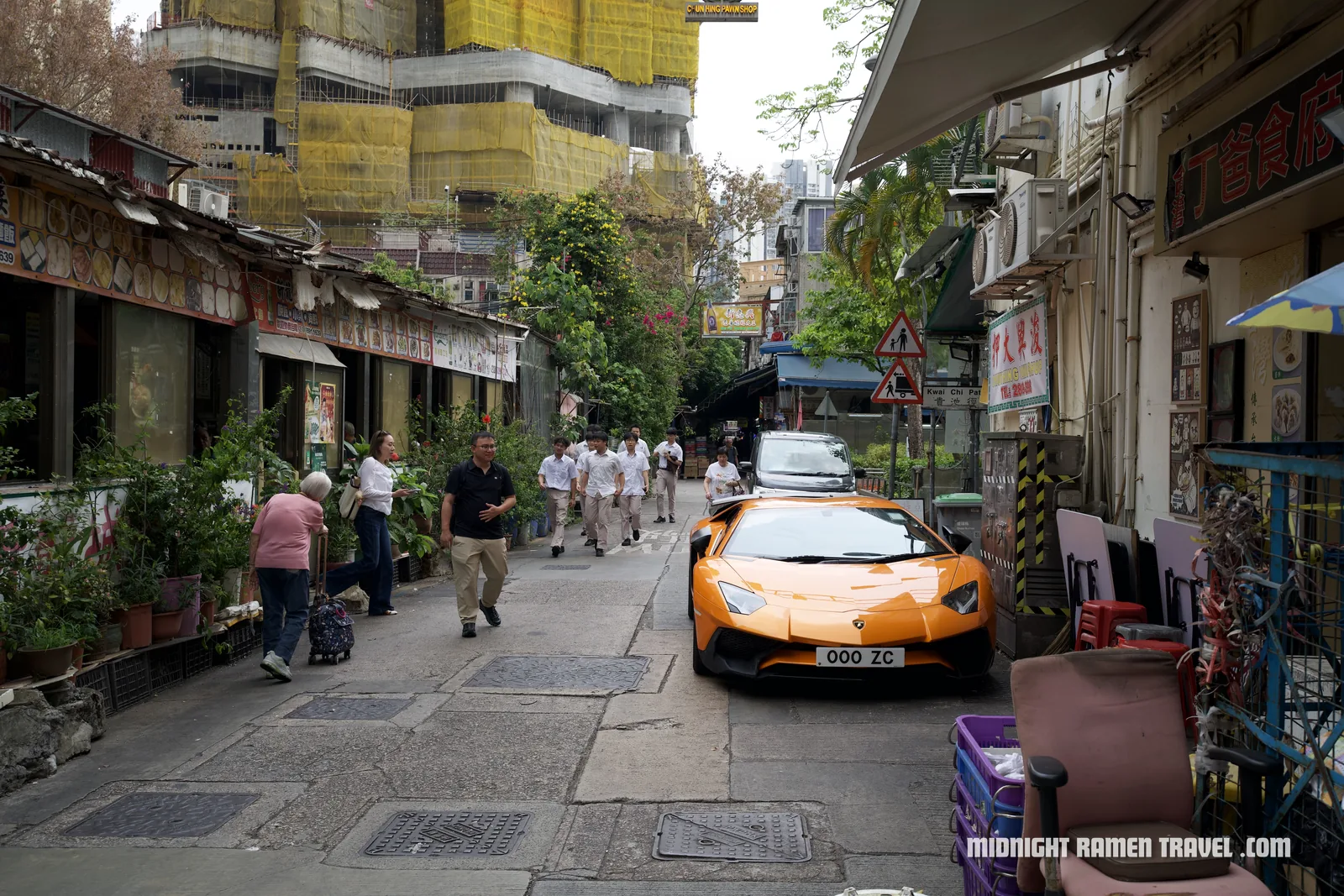
One of my favourite things to do in Hong Kong is just wander around the different neighbourhoods, because the vibe can shift quickly from one to the next. You can go from shiny new state-of-the-art glass towers to narrow 100-year-old side streets, dried seafood stores, local markets and historic temples all within a few hundred metres.
I’ve gone into the neighbourhoods in much more detail in my Best Areas to Stay in Hong Kong post, but at a high level, here are a few of the main ones to know:
- Central: the heart of Hong Kong Island’s business district, but also one of the best places to explore, with many of the most famous attractions. You get a mix of shiny skyscrapers, steep streets, historic buildings, cool cafés, and easy access to places like The Peak Tram, Tai Kwun, PMQ, and the SoHo / Mid-Levels area. For a more guided wander, see my Central walking itinerary in Day 1 of my 3 Day Hong Kong Itinerary.
- Causeway Bay: one of the main shopping districts in Hong Kong, with huge malls, bright lights, lots of energy, and Victoria Park nearby if you want a break from all the concrete.
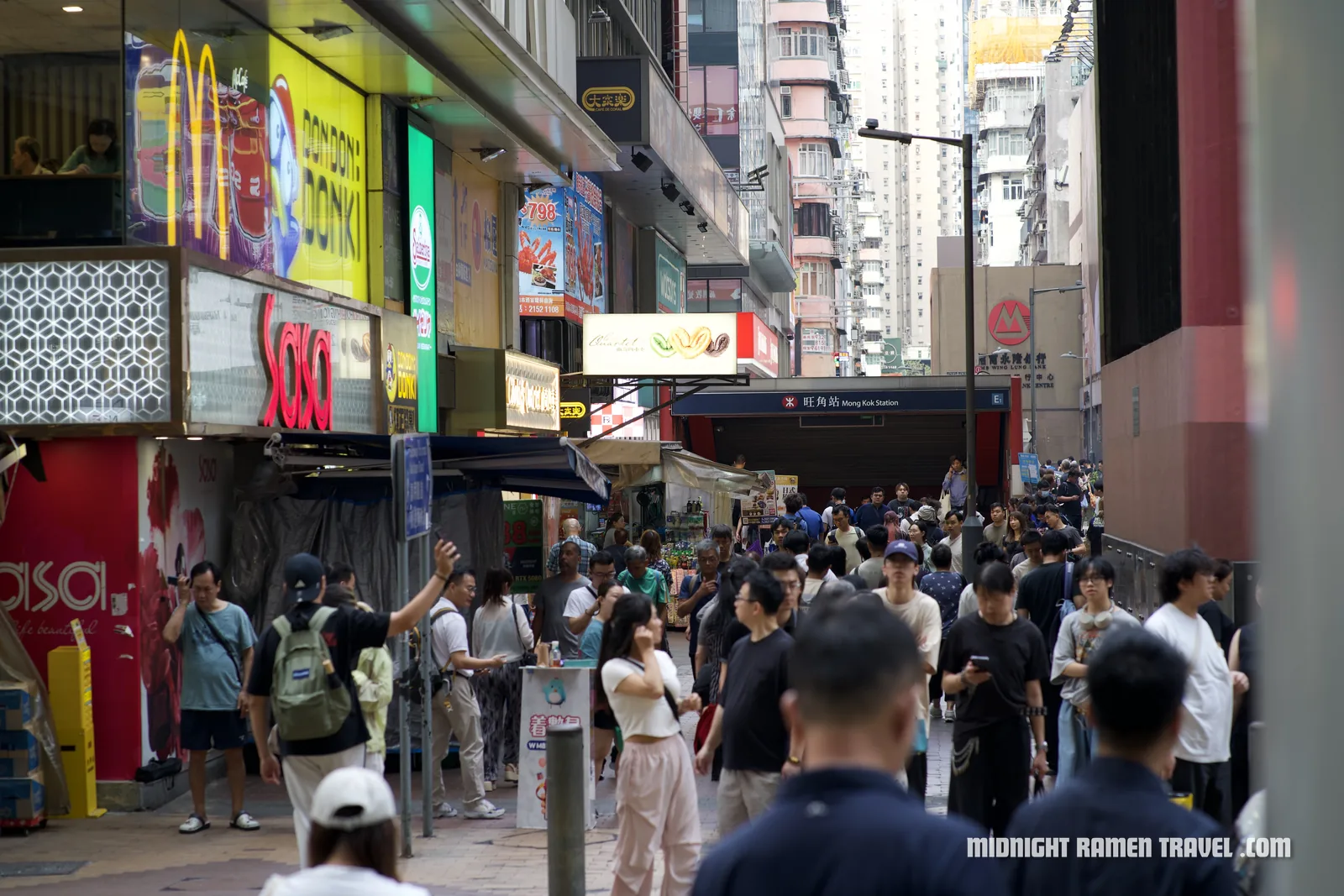
- Mong Kok / Yau Ma Tei: busy, chaotic, dense, and very Hong Kong. Great for markets, street life, cheap eats, neon, and that classic high-energy Kowloon feel.
- Tsim Sha Tsui: one of the best areas to base yourself if it’s your first time in Hong Kong. It has the harbour promenade, skyline views, museums, shopping, hotels, and easy access to transport including the Star Ferry.
- Wan Chai: just east of Central, a mix of old and new, with local streets, bars, markets, tram rides, and some good food spots. It feels a little more everyday than Central, but still very centrally located.
- Sheung Wan: just west of Central, this area is a little more local, creative, and old-school. Good for temples, traditional streets, cafés, galleries, and just wandering.
- West Kowloon: the newer arts and culture district, with big waterfront spaces and major museums like M+ and the Hong Kong Palace Museum.
Here’s a couple of walks I filmed through some of these areas:


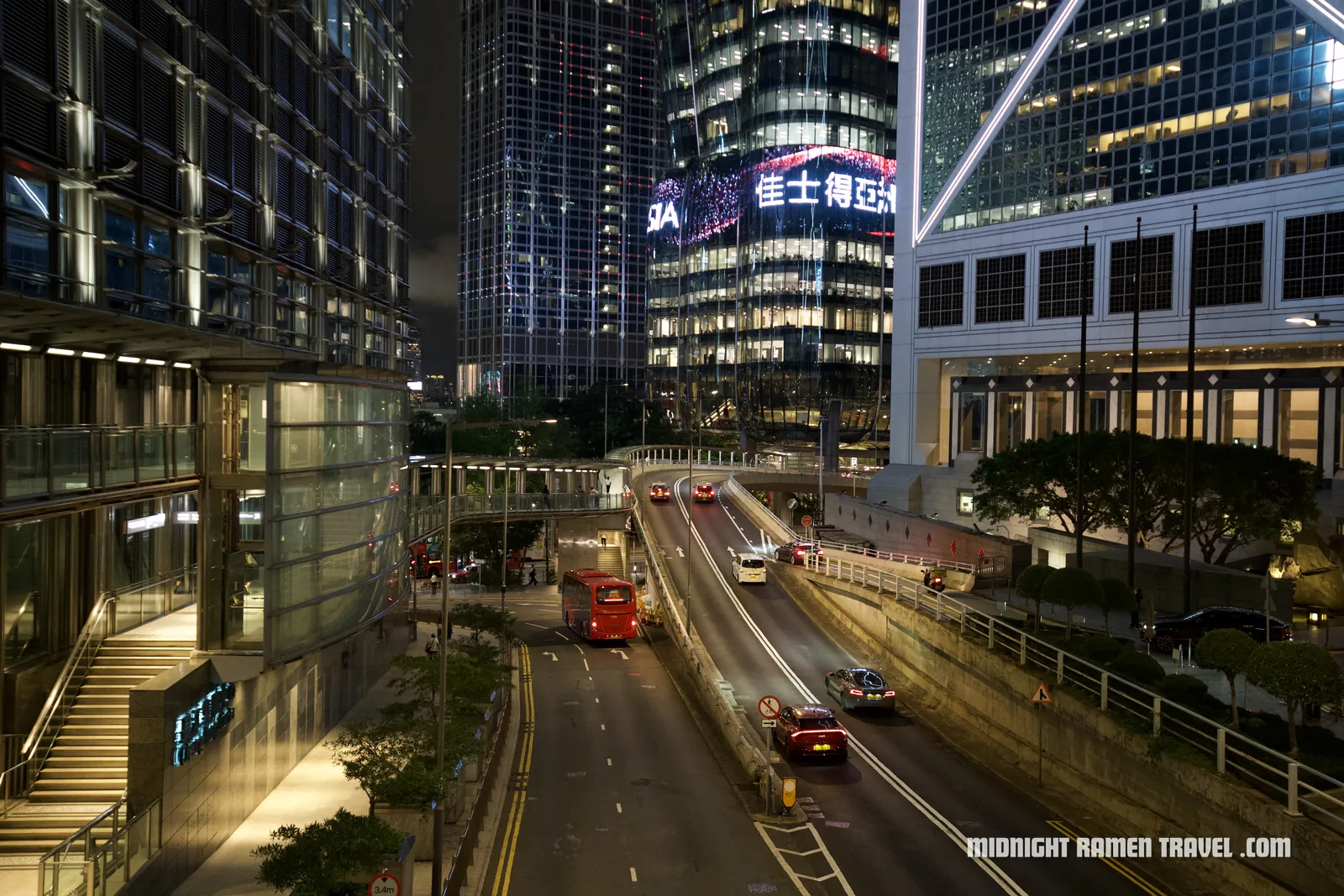
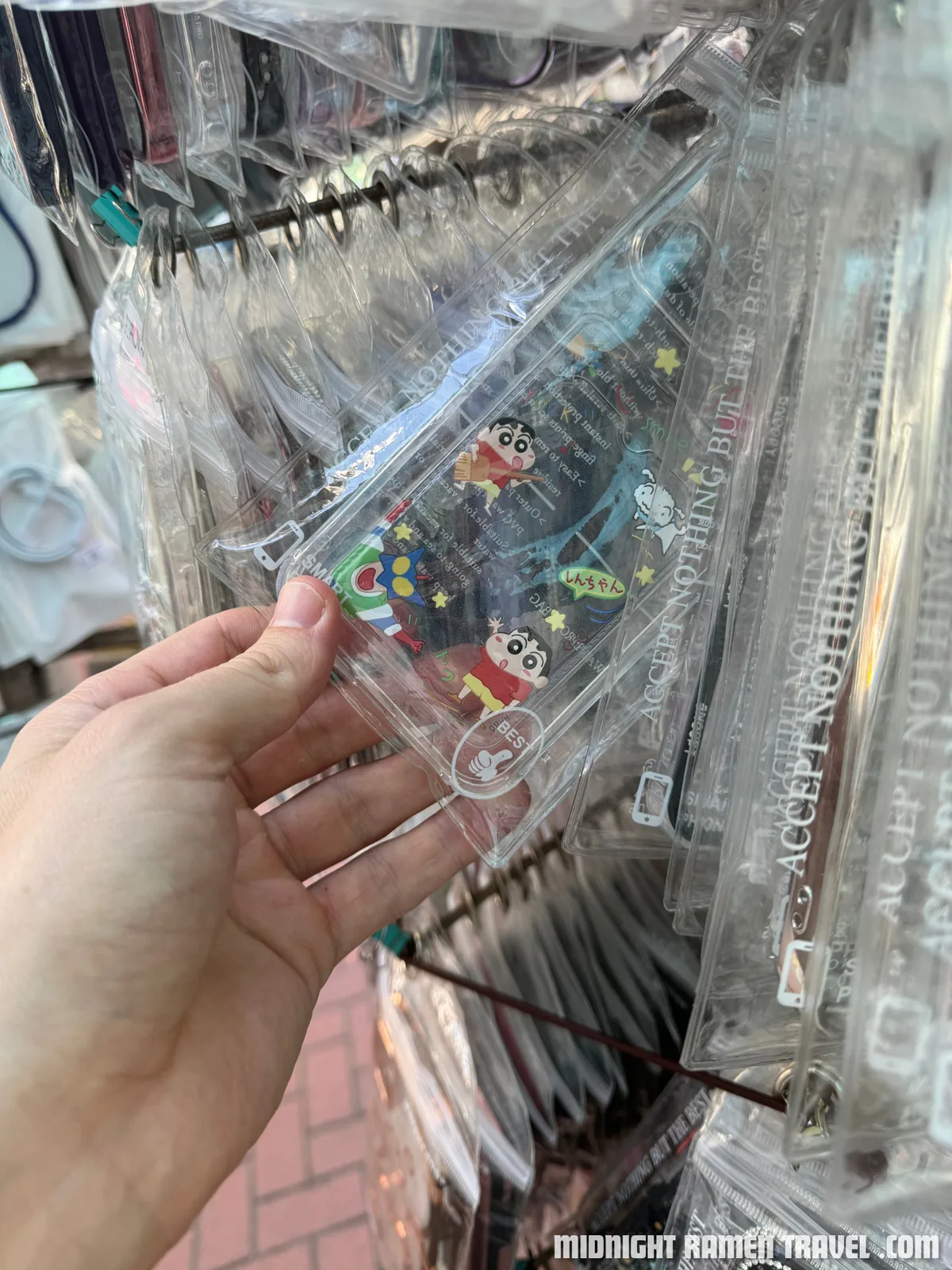
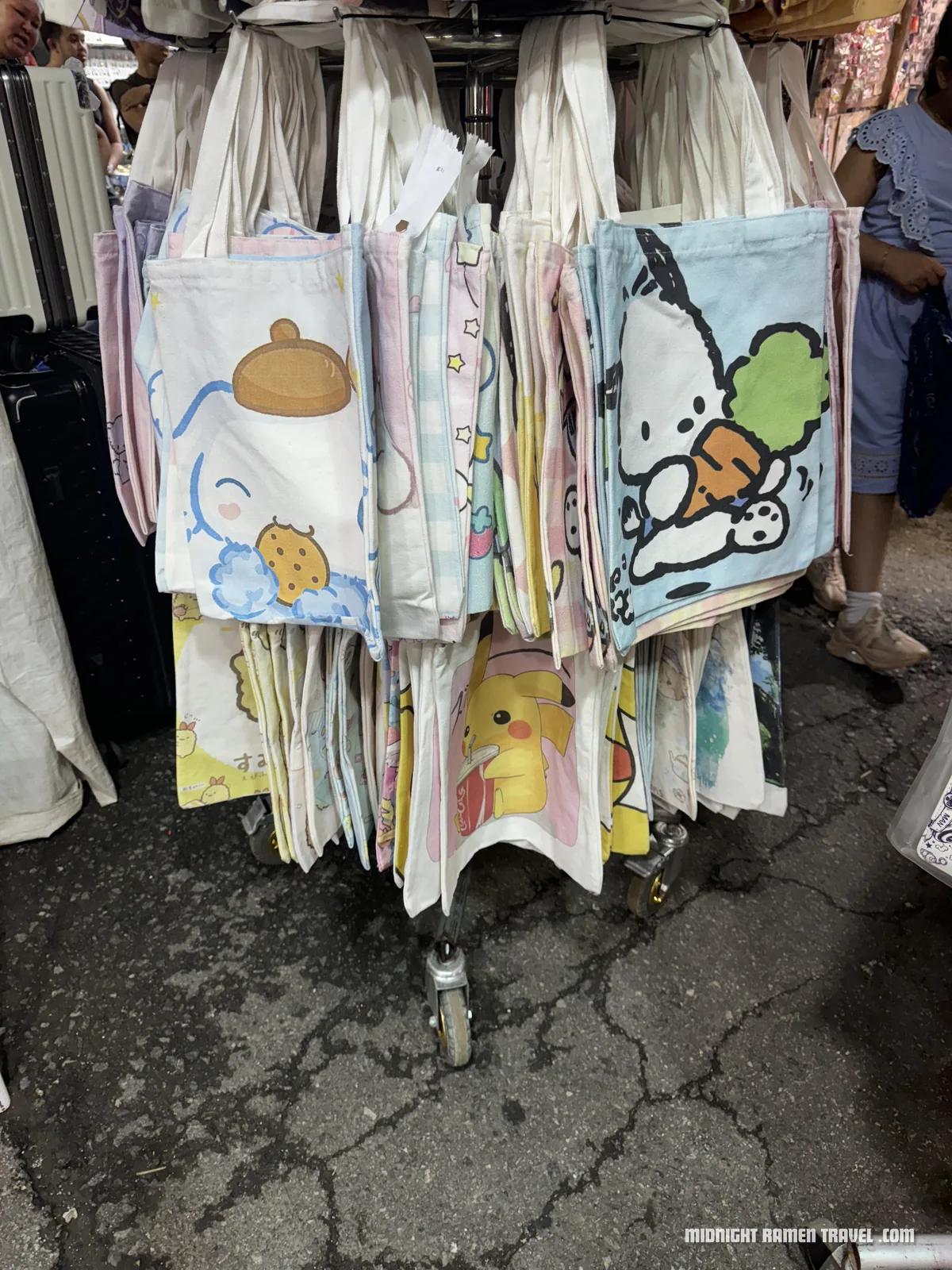
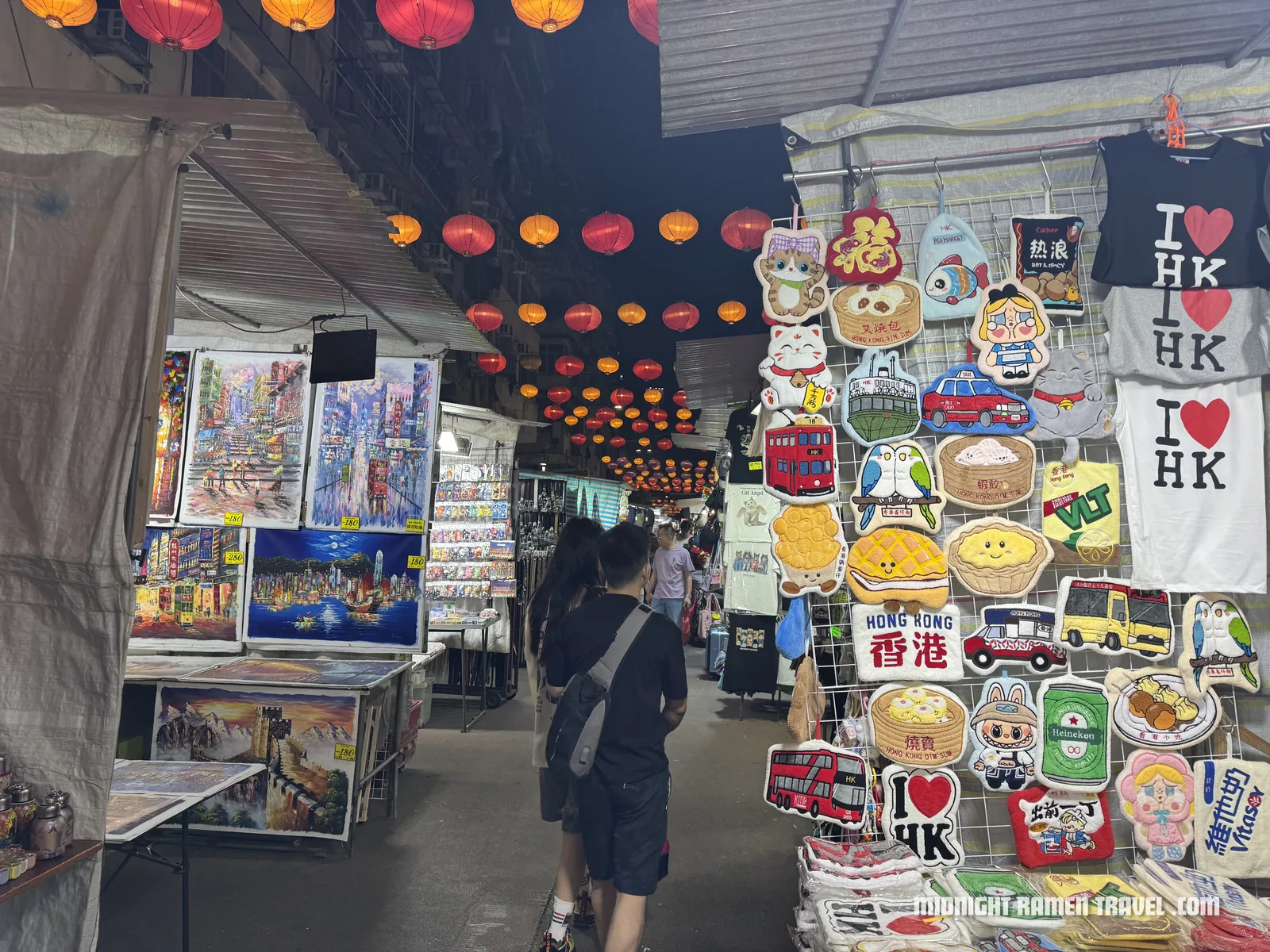
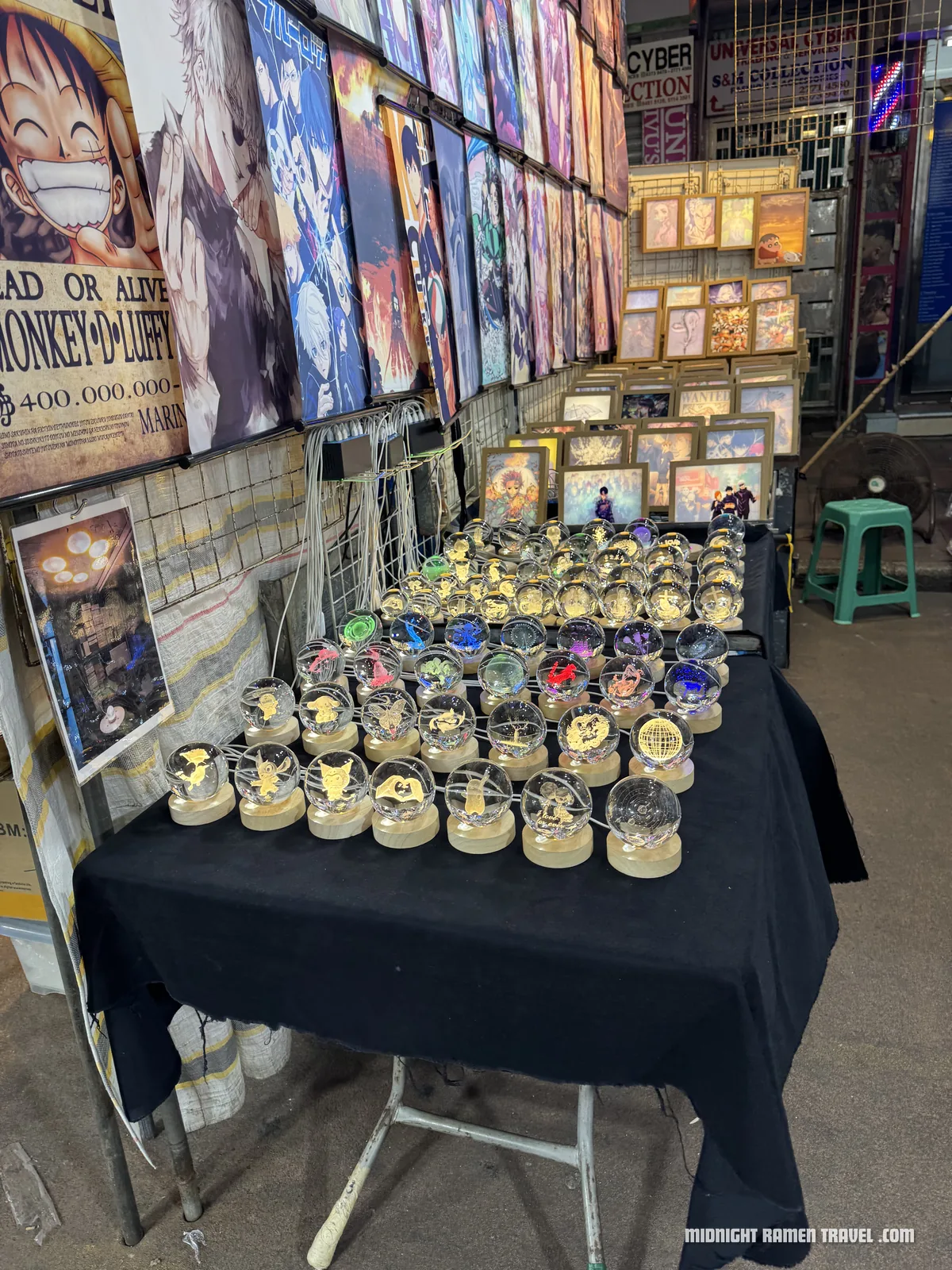
5. Check Out the Local Markets
A trip to Hong Kong would not feel complete without checking out at least a few of the local street markets. They are one of the best ways to soak up the city’s street life and atmosphere.
I’ve also made a Google My Maps with the main Hong Kong markets pinned, which should make it easier to plan them into your day.
There are quite a few different types, so rather than dumping them all in one long list, I’ve grouped the main ones below by what kind of experience you are after. You definitely do not need to visit all of them, but I’d try to include at least one touristy / iconic market and one more local everyday market if you have time. I’ve also filmed a few of the market walks, which is the easiest way to get a feel for how busy, local or touristy each one is. The relevant videos are linked in the sections below.
Most Popular / Iconic, and Yes, a Bit Touristy
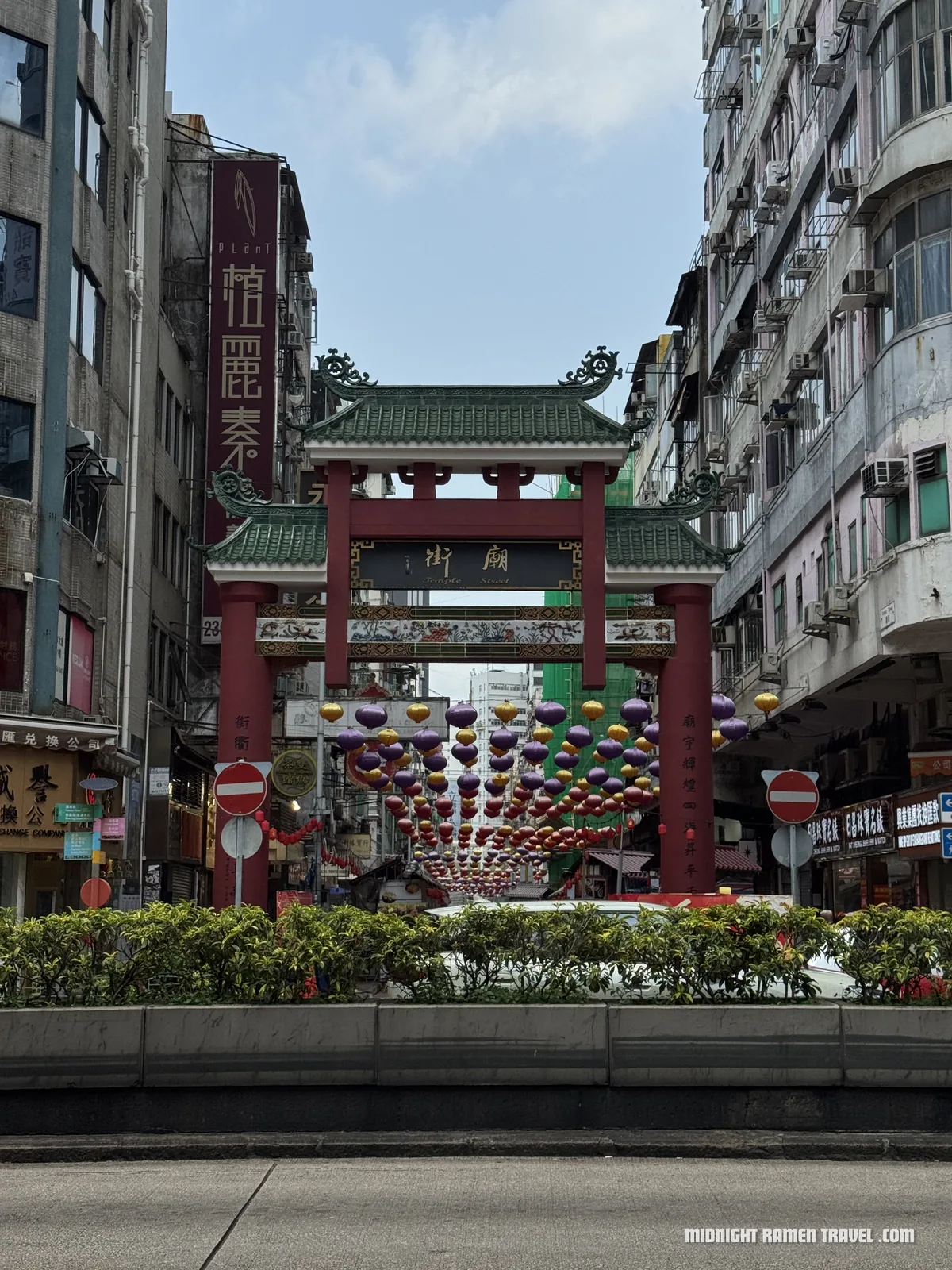
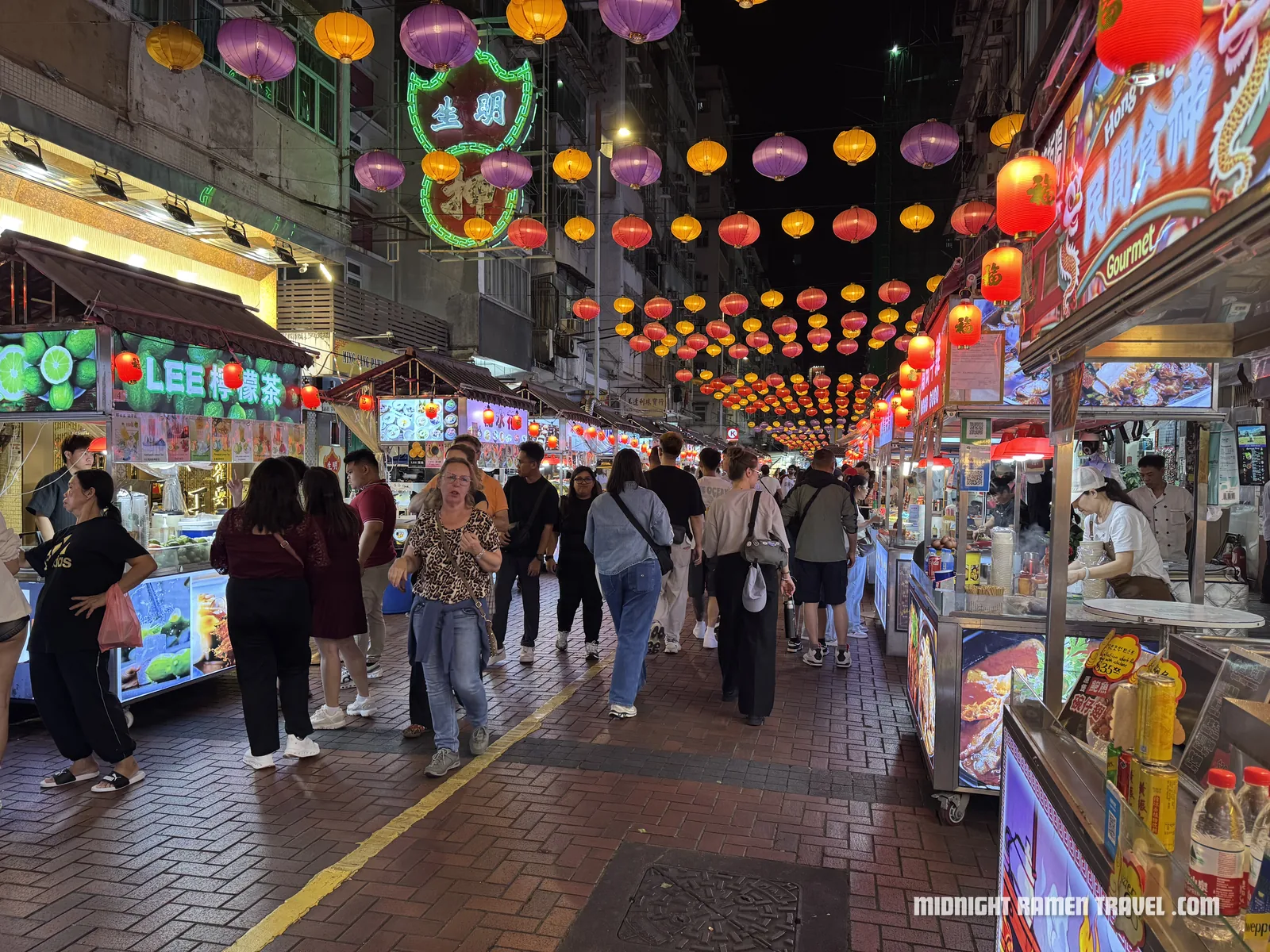
- Temple Street Night Market: best for lively atmosphere, night-time energy, food, and that classic Hong Kong market feel.
- Ladies’ Market, Mong Kok: best for cheap souvenirs, clothes, accessories, and busy street-market chaos.
- Stanley Market: more relaxed, more polished, and a bit touristy, but worth it if you are already heading down to Stanley.
- Jade Market: best for jade jewellery, charms, gifts, and something a bit more distinctly Hong Kong / Chinese.
- Apliu Street Flea Market: rougher around the edges, but still visitor-friendly if you like electronics, gadgets, and random quirky finds.

Specialty Markets
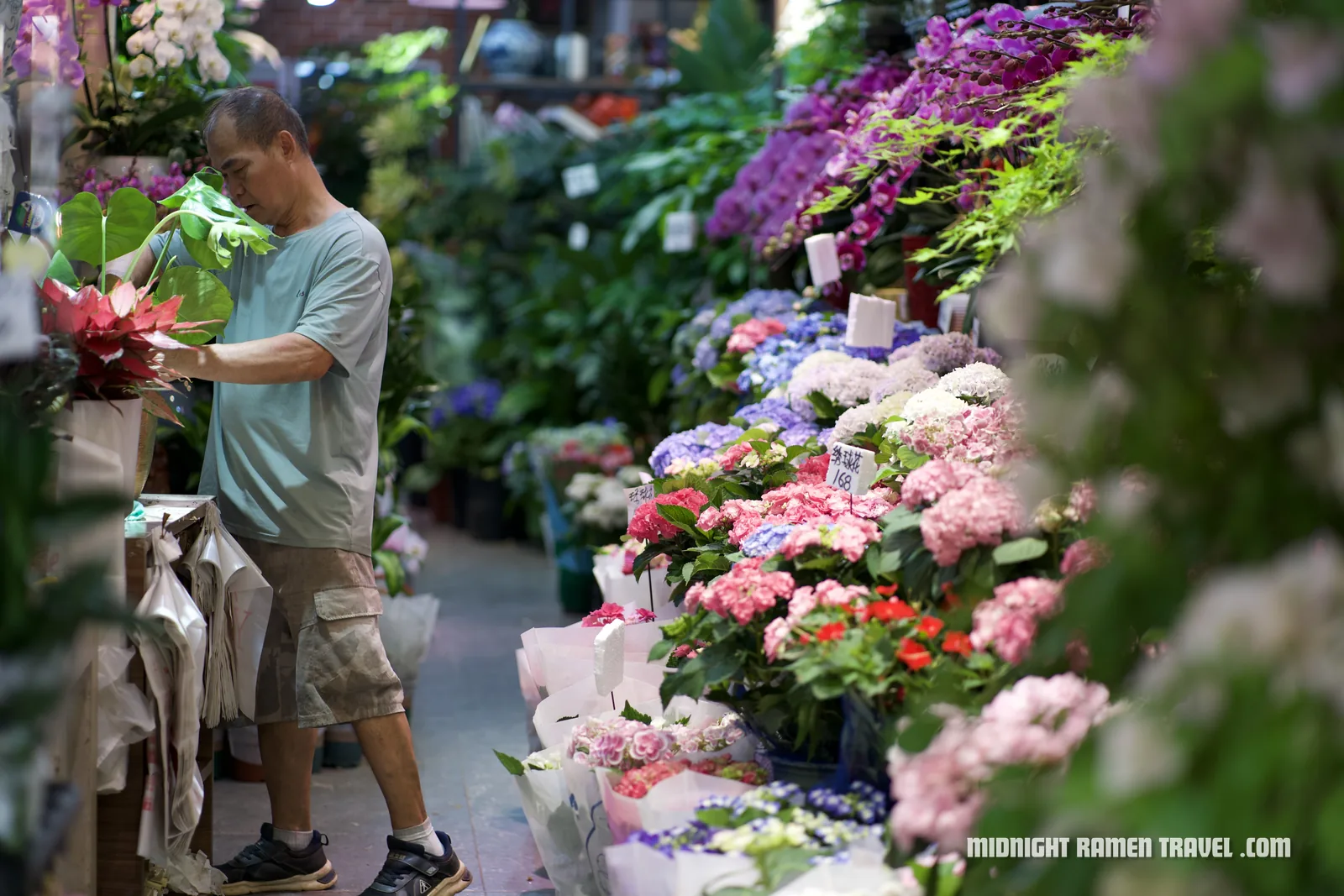
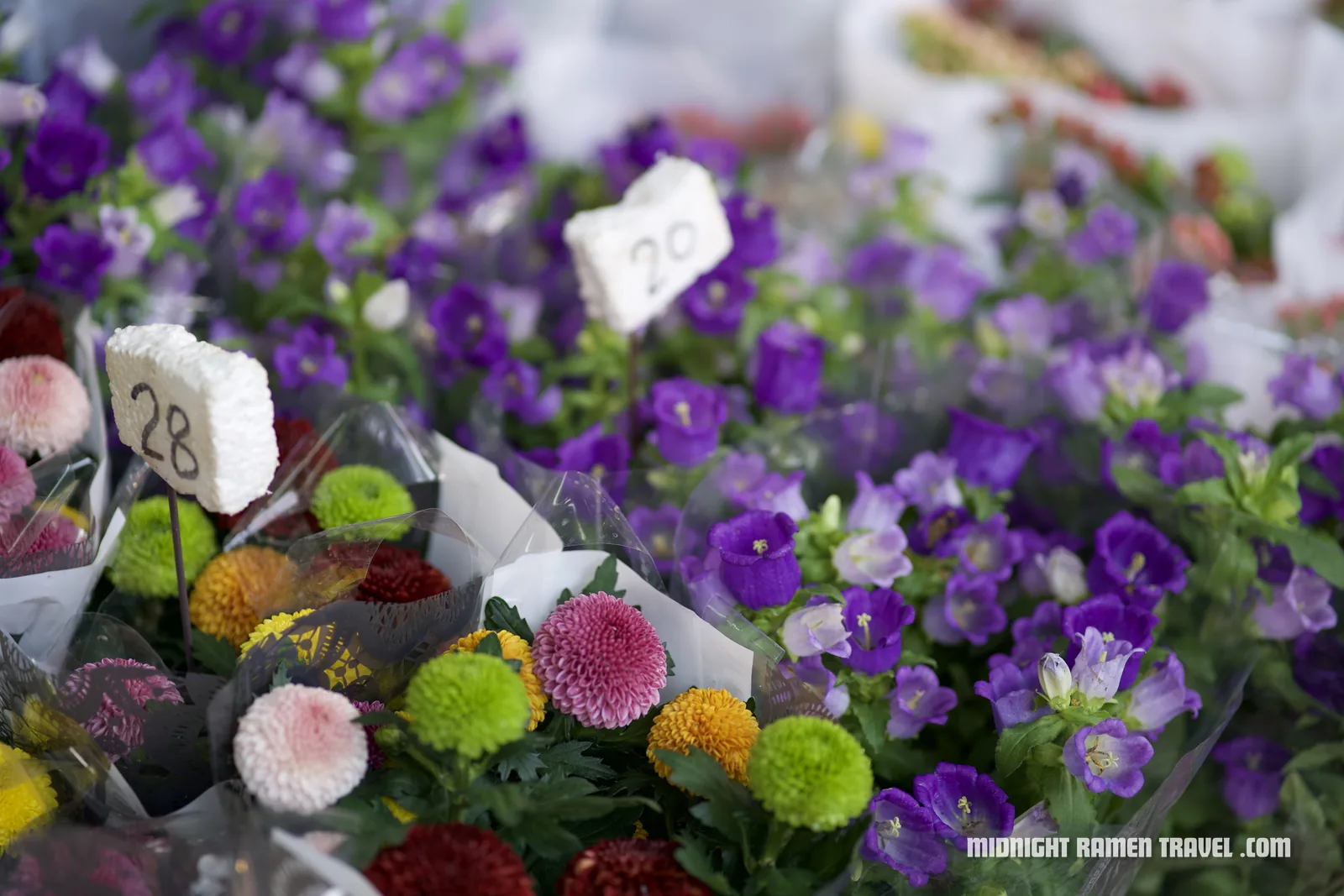
- Flower Market, Prince Edward / Mong Kok: for the flower lovers.
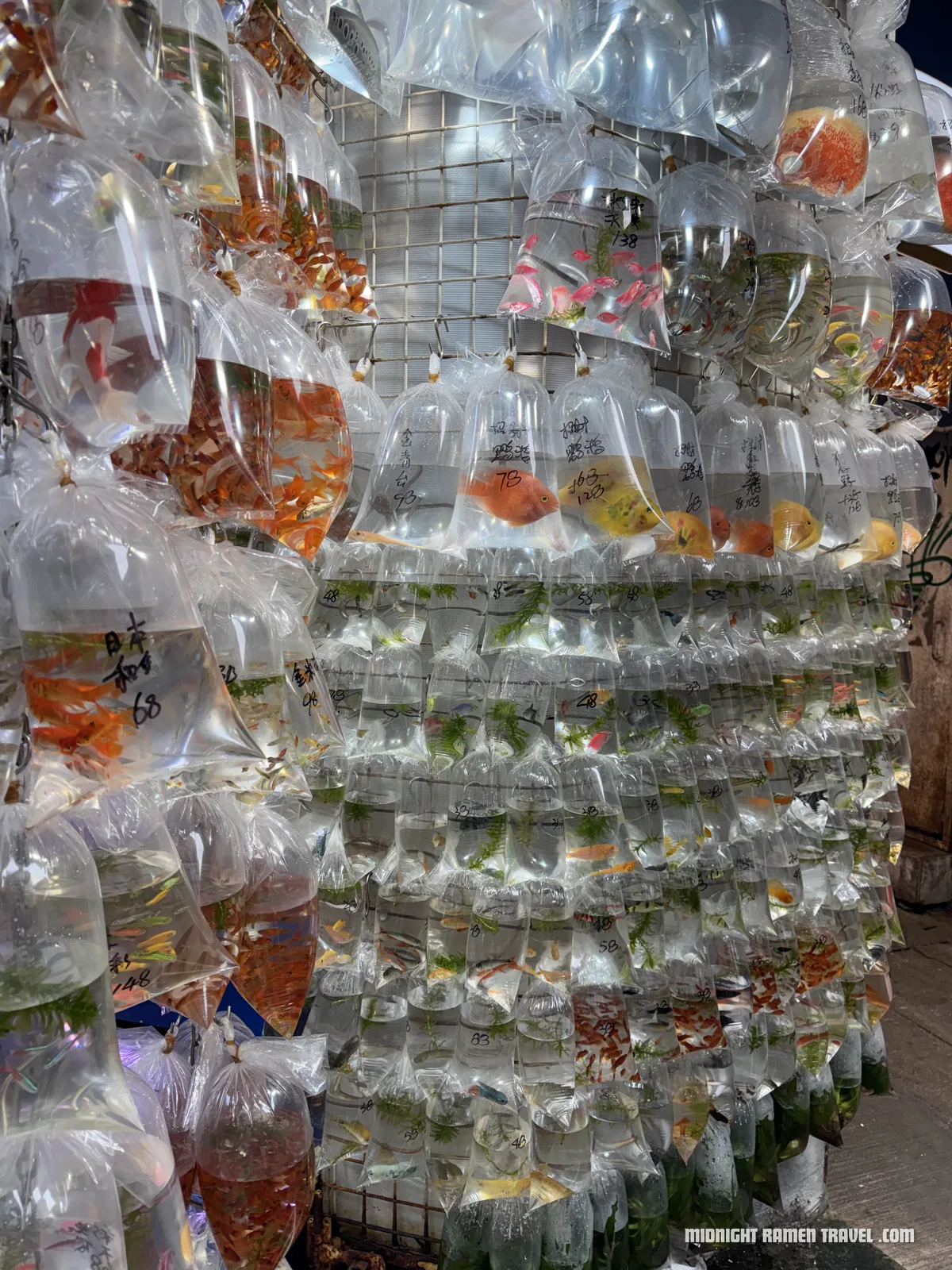
- Goldfish Market: one of the more interesting Hong Kong market experiences in my opinion, more for the spectacle than the shopping, as if you are just visiting then you won’t be able to take them home.
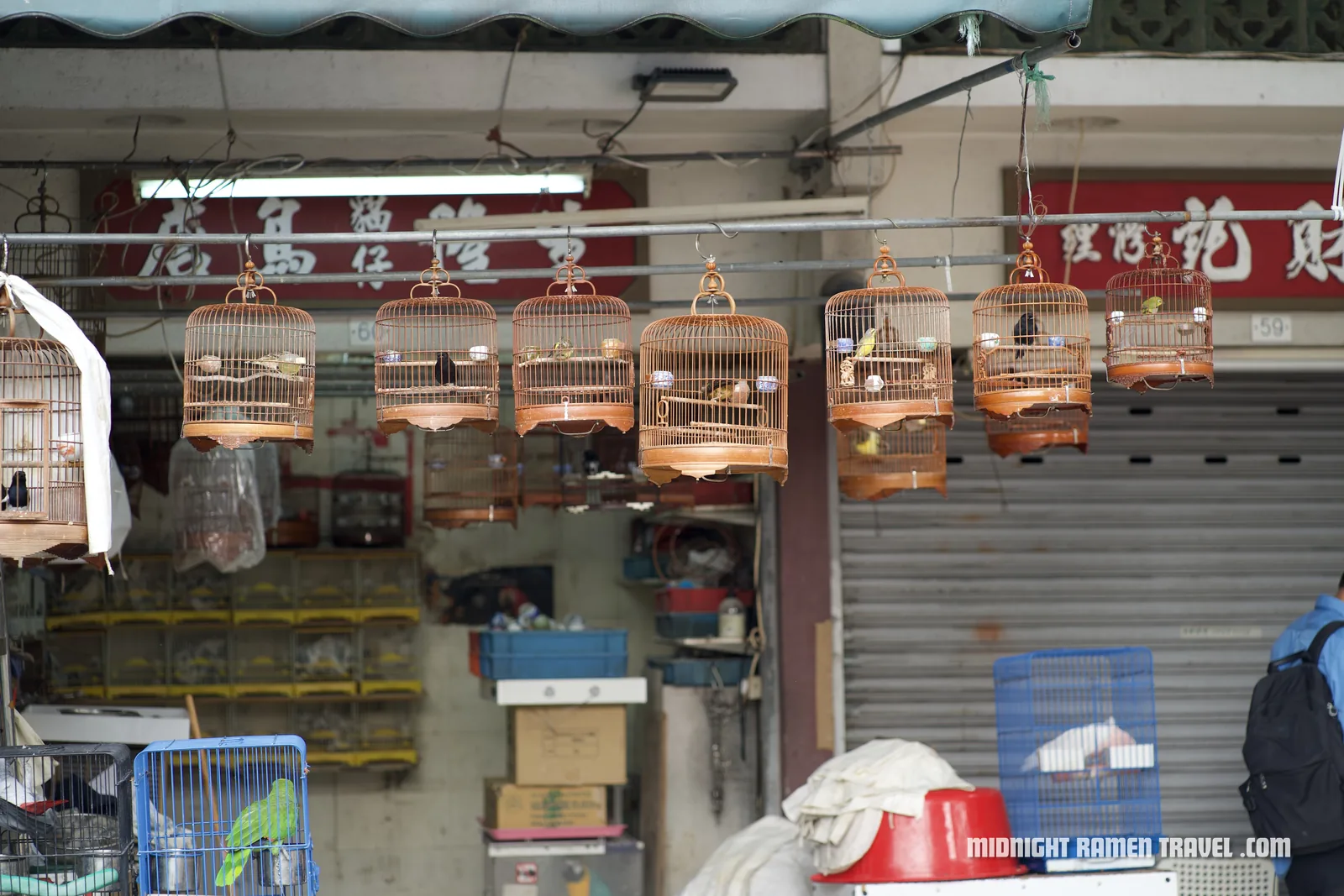
- Bird Market, Yuen Po Street Bird Garden: I wouldn’t put it at the top of my list, but given how niche and “Hong Kong” it is I think it’s worth including in this list. It is very small (only takes 5 minutes to walk it).
- Sneakers Street, Fa Yuen Street area: best for trainers and streetwear.
- Tai Yuen Street, Toy Street: great for nostalgic toys, festival decorations, and a more old-school neighbourhood feel.


More Local / Everyday Markets
- Graham Street Market: one of Hong Kong’s last remaining open-air wet markets, very central, and probably the easiest local market to include.
- Ap Lei Chau Market and Cooked Food Centre: a seafood market on Ap Lei Chau, with restaurants upstairs that can cook what you buy.
- Yau Ma Tei Wholesale Fruit Market: more raw, more functional, and more of a working market than a sightseeing market.
- Bowrington Road / Wan Chai wet market area: a good option if you want somewhere central on Hong Kong Island that still feels local. There is also a popular local food court nearby worth eating at, the Bowrington Road Market and Cooked Food Centre.
- Chun Yeung Street Wet Market, North Point: one of the best picks for old-school market atmosphere. The tram literally runs through it, which makes it memorable.
- Ngau Chi Wan / Choi Hung Wet Market: a local wet market.
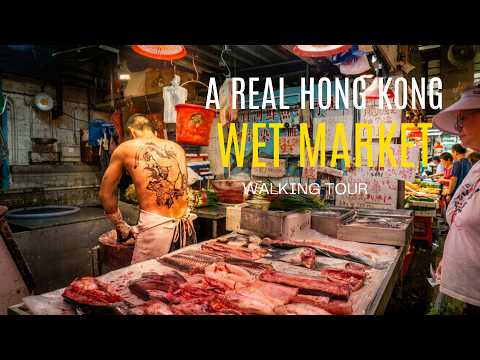
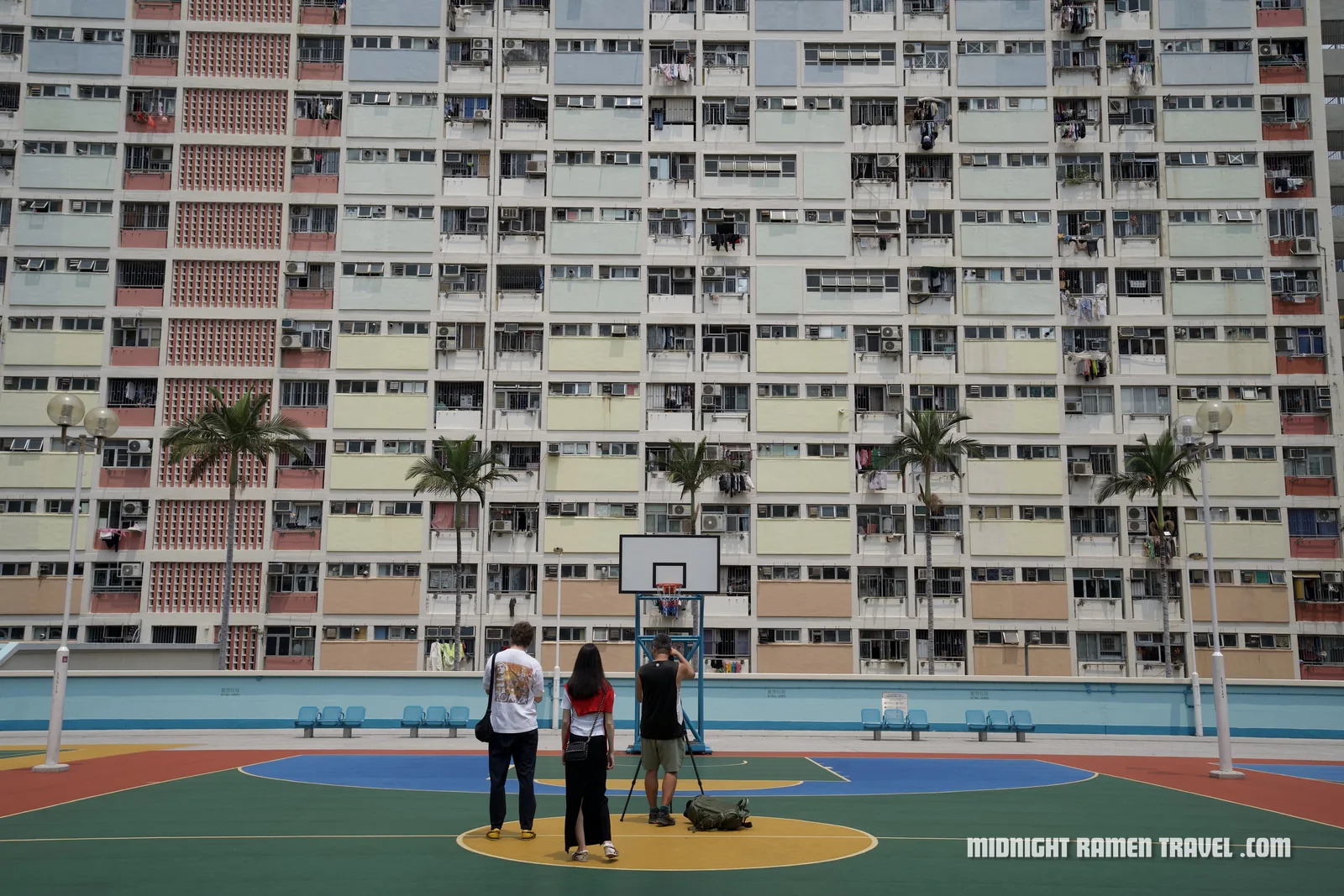
If it is your first trip and you only want to pick a few, I’d probably choose Temple Street Night Market, Ladies’ Market in Mong Kok, and Graham Street Market in Central given its convenient location, or the Ngau Chi Wan Market if you are going to Choi Hung to get a shot of the popular Choi Hung Estate colourful building. That gives you a good mix of touristy, chaotic, and local without turning your whole trip into one long market crawl.
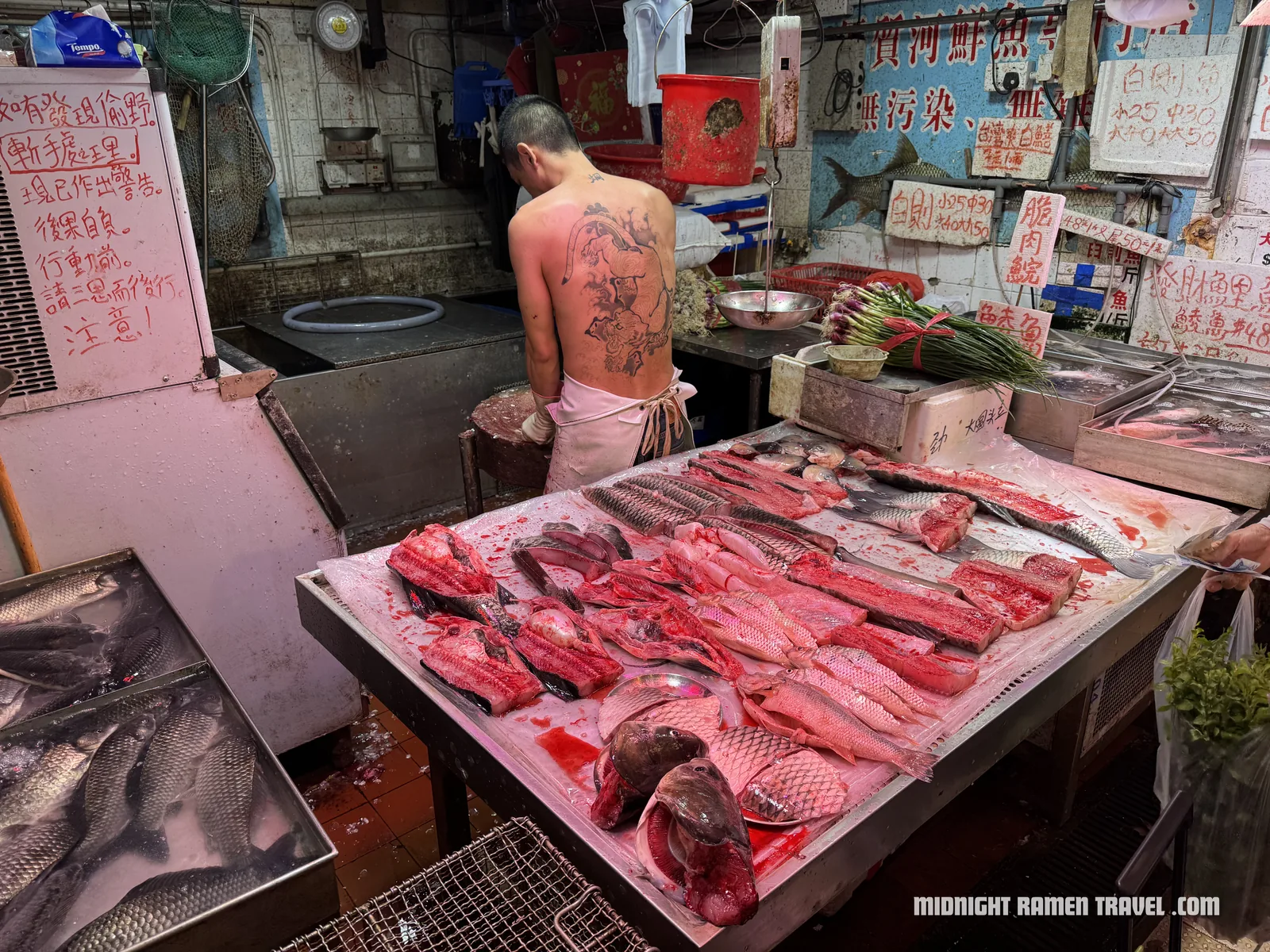
6. Take the Star Ferry Across Victoria Harbour
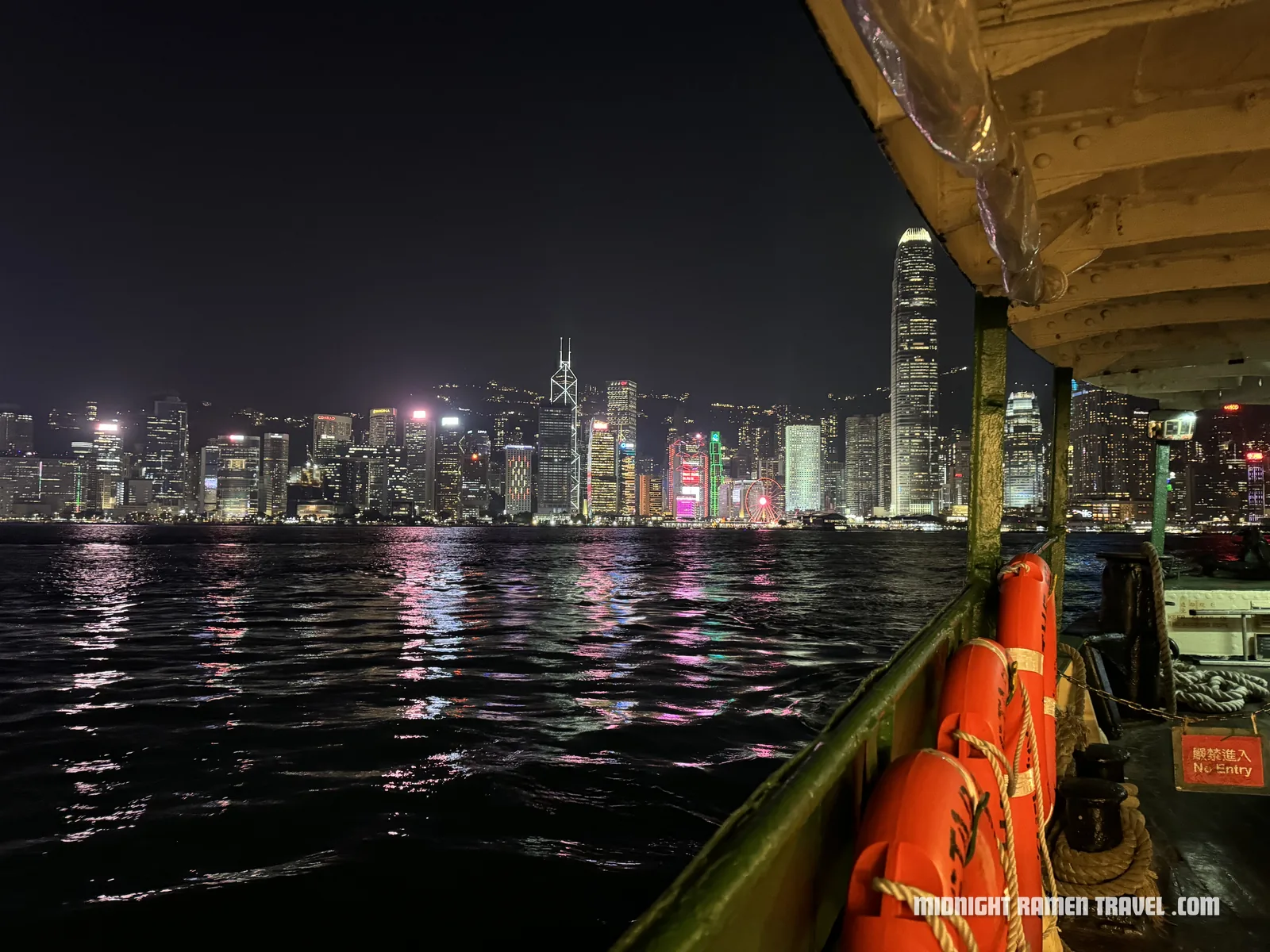
Make sure you catch the Star Ferry across Victoria Harbour at least once. It runs frequently, it’s cheap, you can just tap on with your Octopus card, and you get to take in the Hong Kong skyline as you cross the harbour.
It is one of those simple Hong Kong experiences that is still fun every time. I usually take it between Tsim Sha Tsui and Central, especially if I’m already walking around the Tsim Sha Tsui Promenade or heading back across to Hong Kong Island. Imagine if this was your daily commute home from the office!

- Getting there: The main tourist route is between Tsim Sha Tsui Star Ferry Pier and Central Pier. There is also a route between Tsim Sha Tsui and Wan Chai.
- Cost: Usually around HK$3–4 depending on deck and route (less than US$1!!) for adults, so still one of the cheapest good views in Hong Kong. You can pay with Octopus card or Credit card.
- Time needed: The crossing itself is only around 10 minutes.
- Best time to go: Sunset or at night are the most scenic, but honestly it’s worth doing whenever you need to cross between Kowloon and Hong Kong Island.
7. Ride the Mid-Levels Escalators
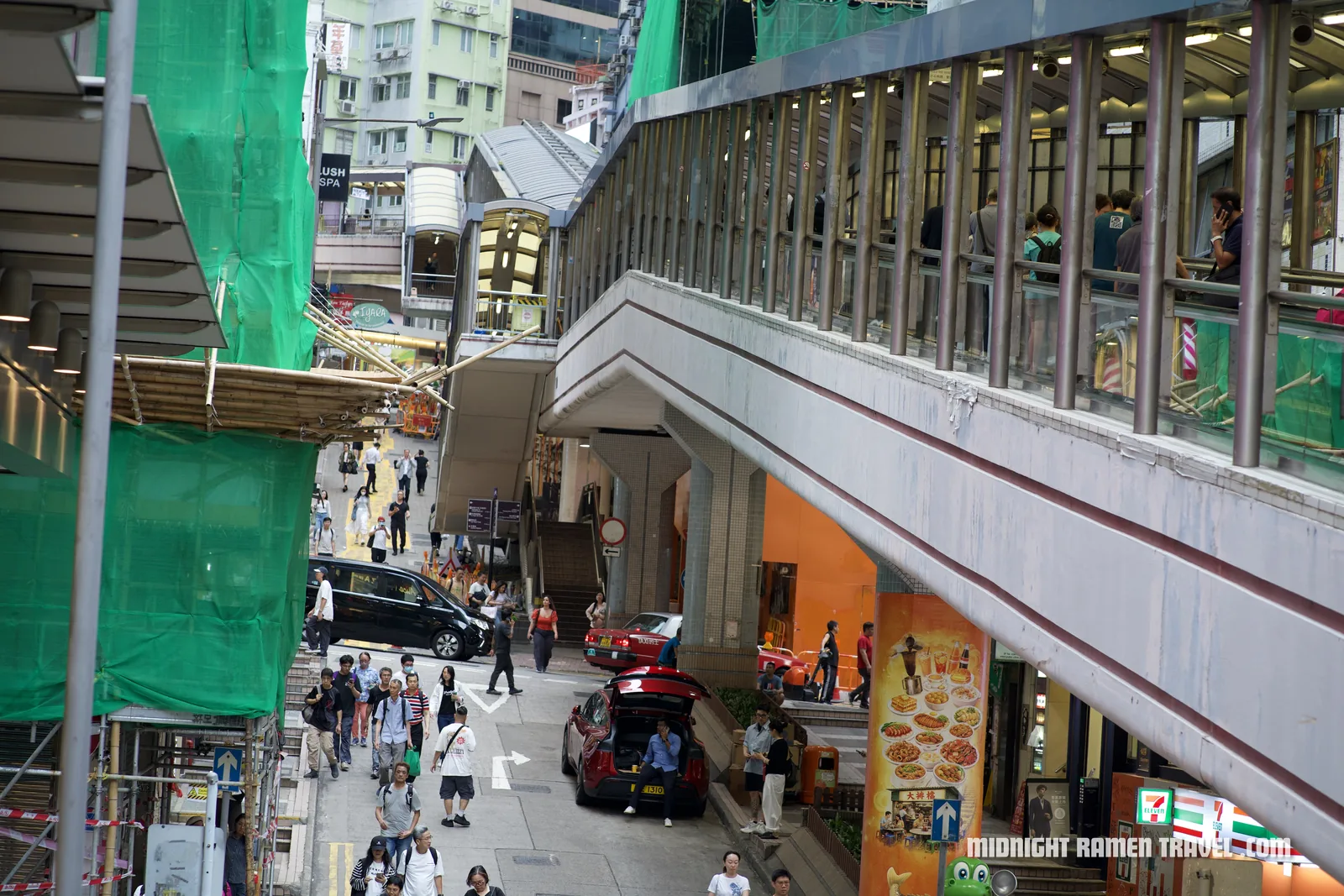
The Central-Mid-Levels Escalators are the world’s longest outdoor covered escalator system. It is essentially a series of public escalators and walkways that help people get around the steep slopes between Central and the Mid-Levels, passing through popular areas like SoHo along the way.
It is a fun and also genuinely convenient Hong Kong thing to experience, especially if you are already exploring Central, SoHo, Tai Kwun, PMQ, Hollywood Road, or the Mid-Levels area.
I would not worry about taking them all the way to the top unless that is actually where you are going. It takes about 20-25 minutes to do the whole thing, and then you will probably just have to walk back down again, which I know from experience! I’d say ride it a few levels, hop off around SoHo / Hollywood Road, and combine it with some of the nearby attractions.
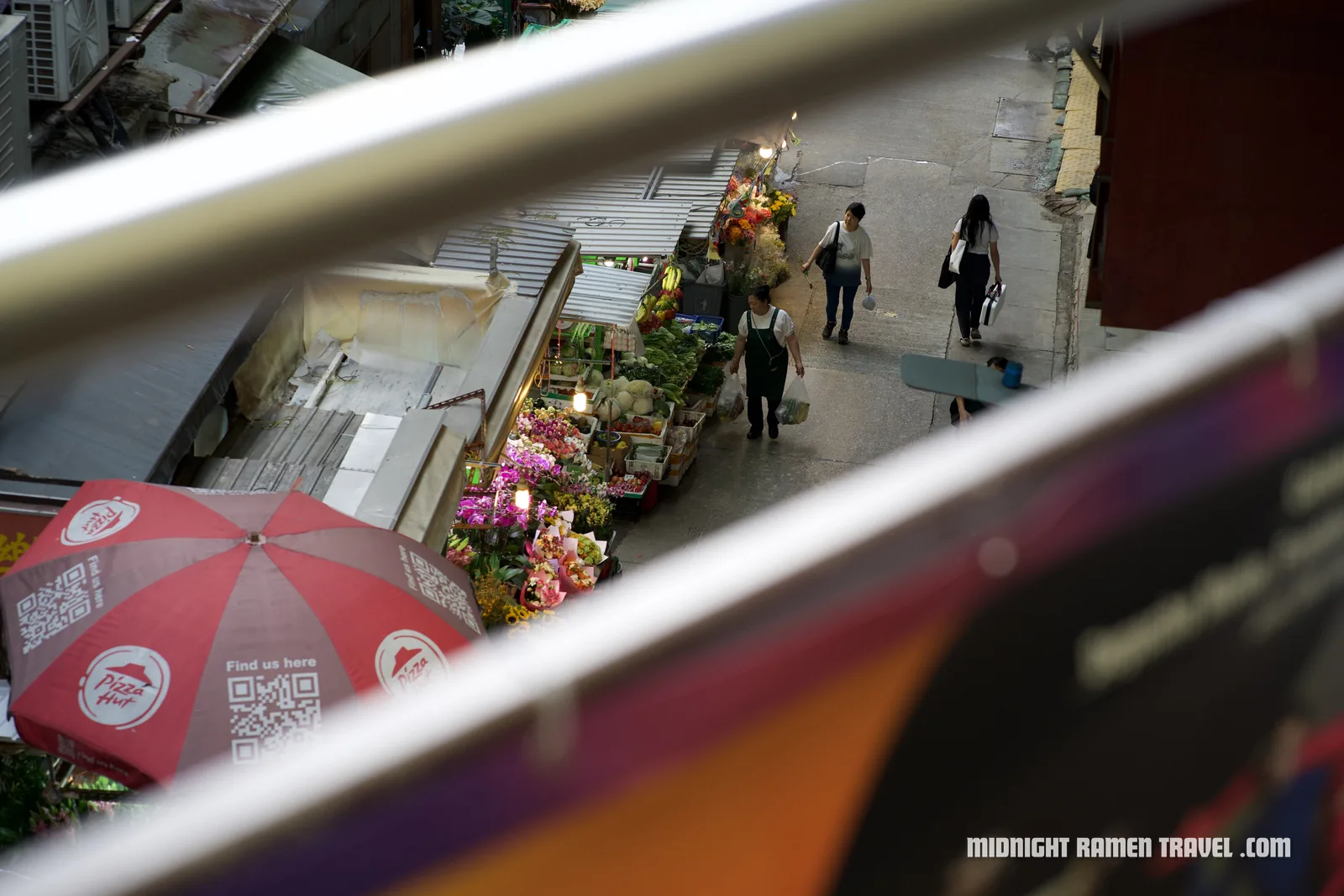
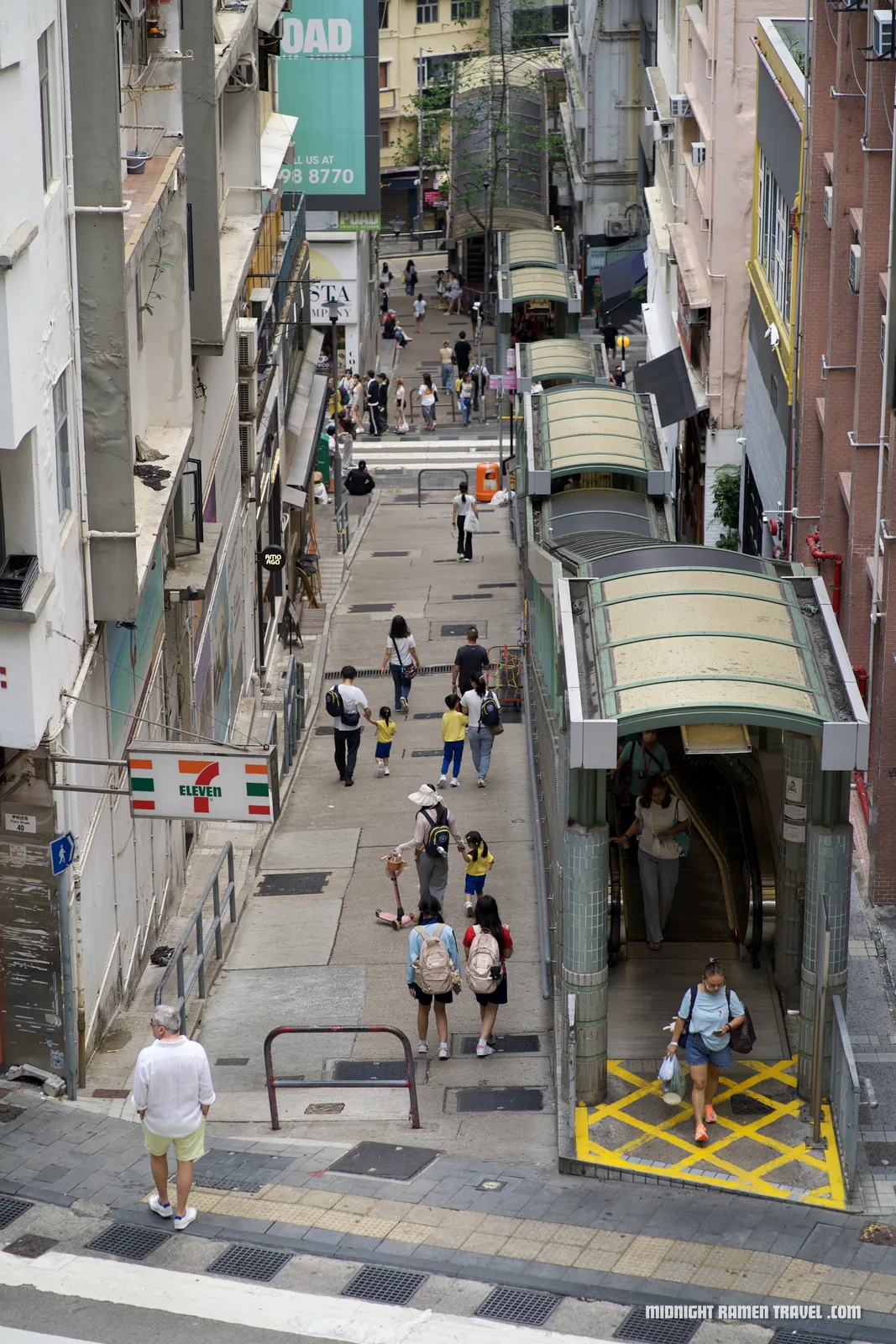
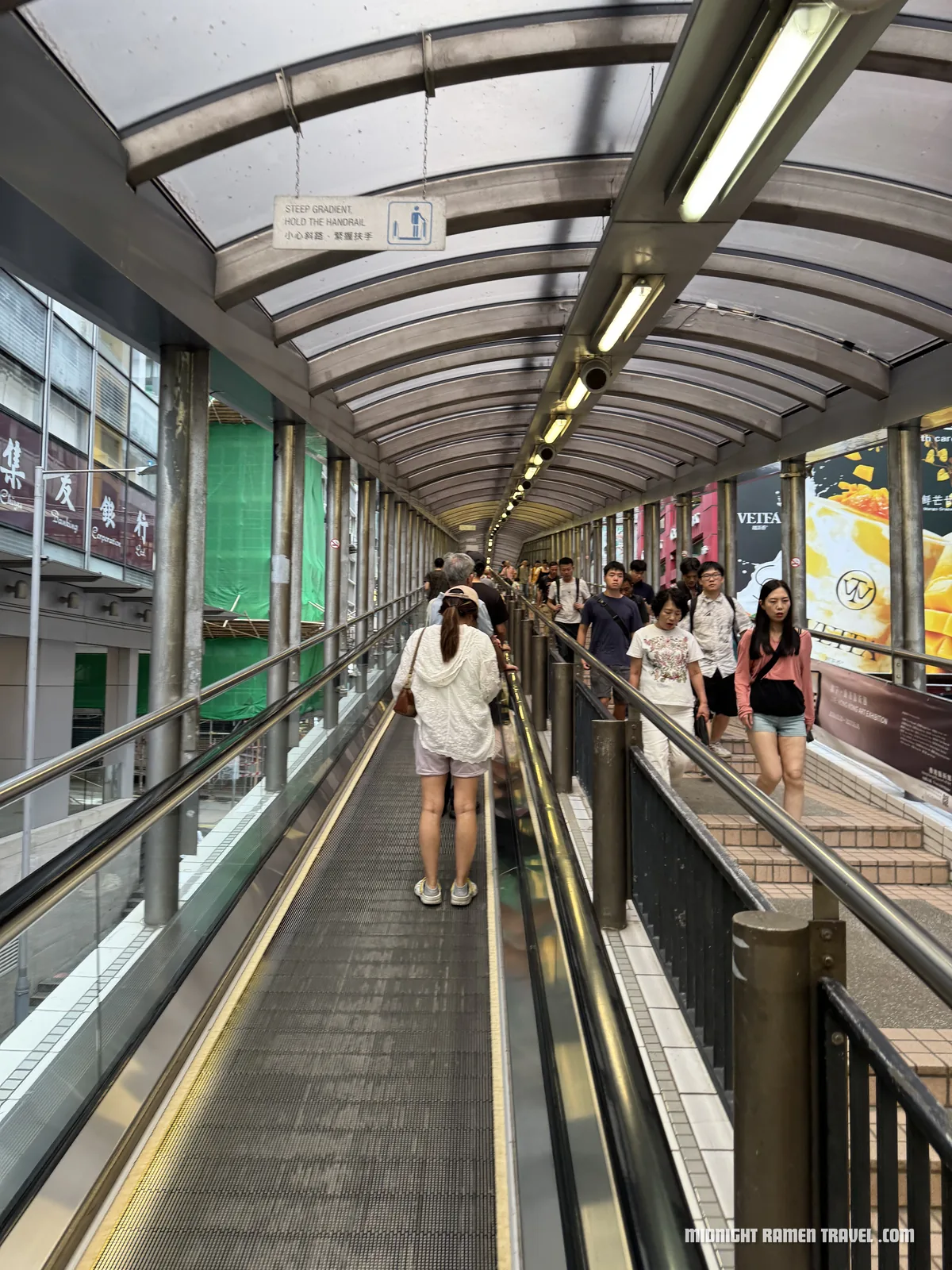

Note: the escalators run downhill in the morning and uphill for the rest of the day. They usually run downhill from 6:00am to 10:00am, then uphill from around 10:00am to midnight. So if you are planning to ride them uphill, do not come too early.
- Getting there: The lower end starts around Queen’s Road Central / Cochrane Street, a short walk from Central MTR.
- Cost: Free.
- Time needed: 5-25 minutes, depending how far you ride and whether you stop around SoHo or Hollywood Road.
8. Ride the Ding Ding Trams
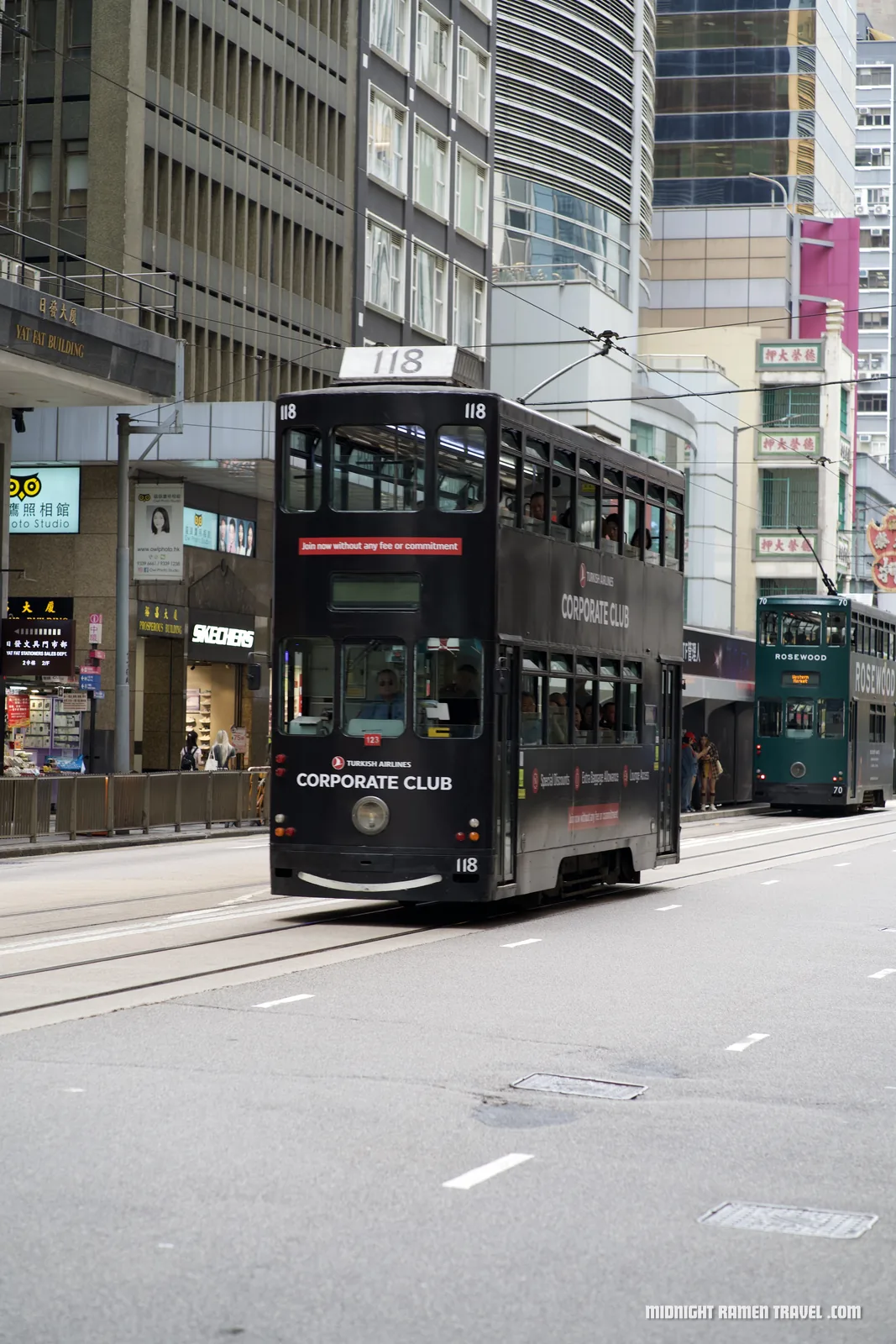
These trams have to be about as close to riding the Harry Potter Knight Bus as you’ll get in real life. They are extremely narrow, double-decker, a bit rattly, and definitely worth experiencing.
Riding them in the evening, squished in with locals while watching Hong Kong street life go past, is pure travel joy for me. I’d suggest sitting upstairs if you can, as you get the best views from there.
They run along the north side of Hong Kong Island through places like Central, Wan Chai, Causeway Bay, and North Point, and only cost a few Hong Kong dollars per ride, so they are also a ridiculously cheap way to see a bit of the city.
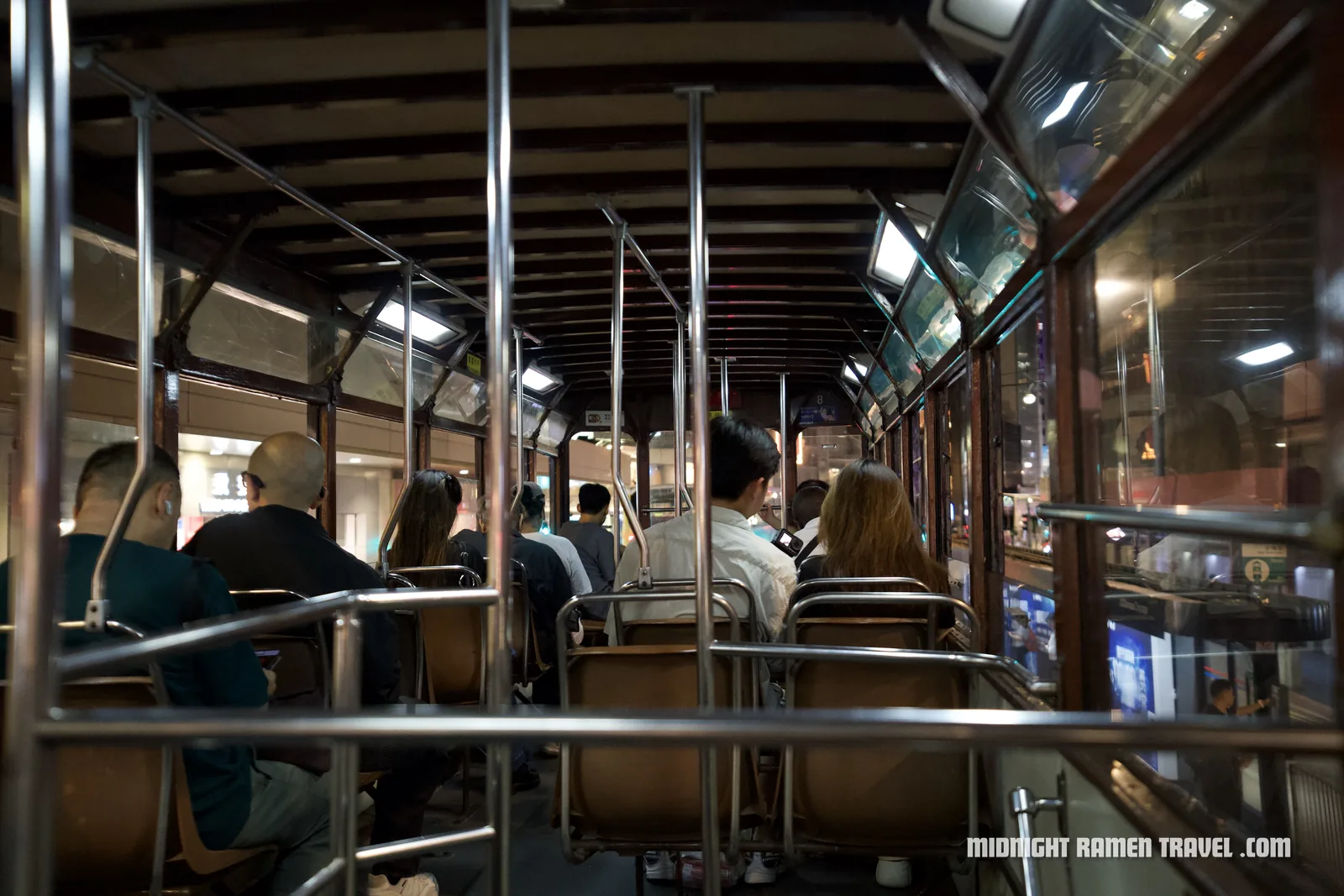
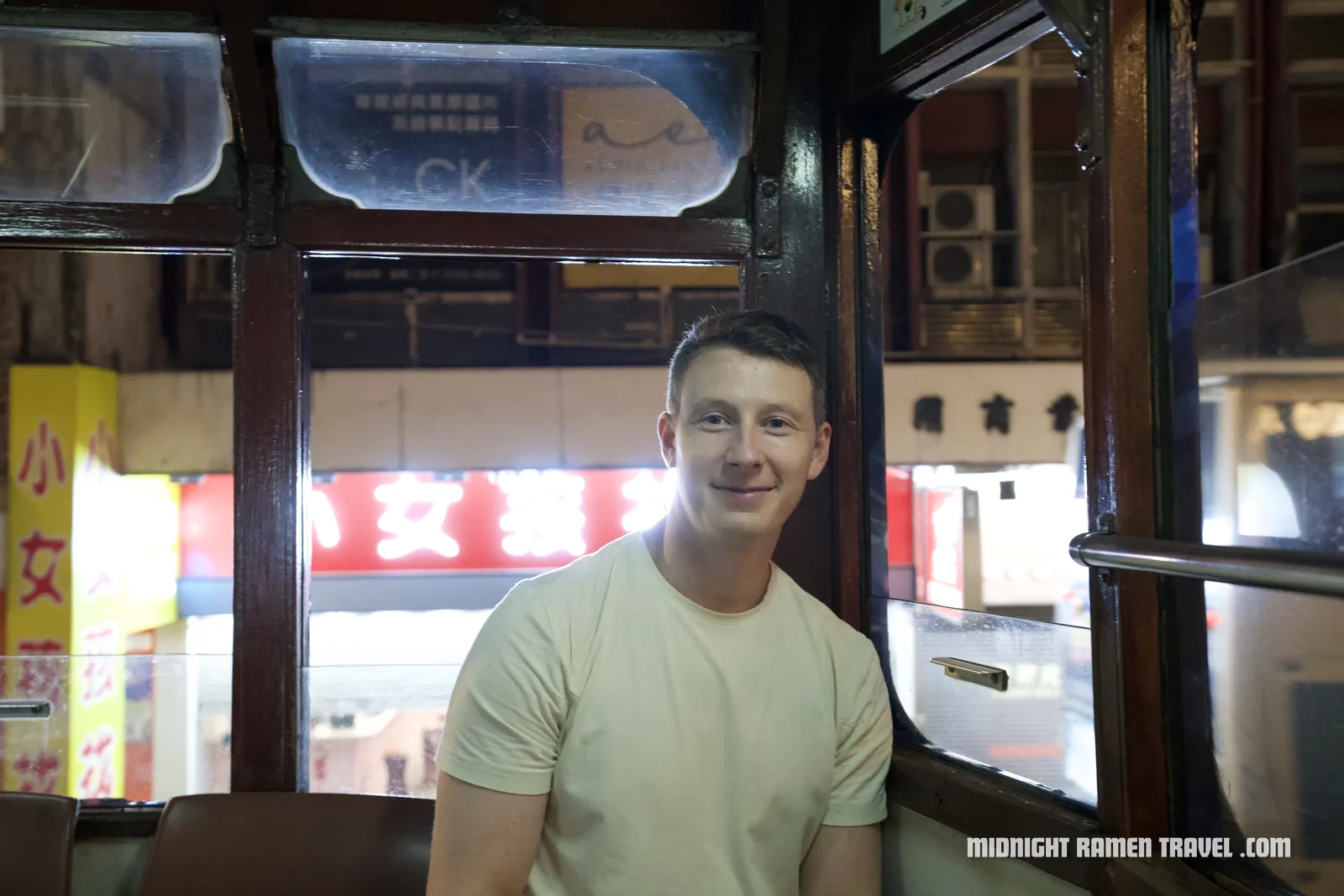
I’ve filmed a couple of the Ding Ding rides at night so you can see what it’s like:


- Getting there: You can catch the trams along the northern side of Hong Kong Island, with routes running between areas like Kennedy Town, Central, Wan Chai, Causeway Bay, North Point, and Shau Kei Wan. Hong Kong Tramways currently lists 6 main routes running between Kennedy Town and Shau Kei Wan.
- Cost: Around HK$3.30 for adults (so cheap!) – you can use your Octopus or Credit card.
- Note: There is a bit of a system to riding the ding ding – you board at the back and pay when you get off at the front, usually by tapping your Octopus card.
- Time needed: You can ride for just a few stops, or stay on longer and treat it like a slow sightseeing ride across Hong Kong Island. I’d allow 20-40 minutes if you are doing it for the experience.
- Best time to go: Evening is my favourite, especially through Central, Wan Chai, Causeway Bay, or North Point when the streets are busy and lit up.
Full Day Activities
9. Visit Lantau IslandNgong Ping 360 Cable Car, Big Buddha, Po Lin Monastery, Tai-O
If you want to see a different side of Hong Kong, Lantau Island is well worth considering. For most people, the trip would involve riding the Ngong Ping 360 cable car to visit the Big Buddha and Po Lin Monastery. I recommend paying that little bit extra to get the glass-bottom cable car if you can, as it makes the ride even more fun.
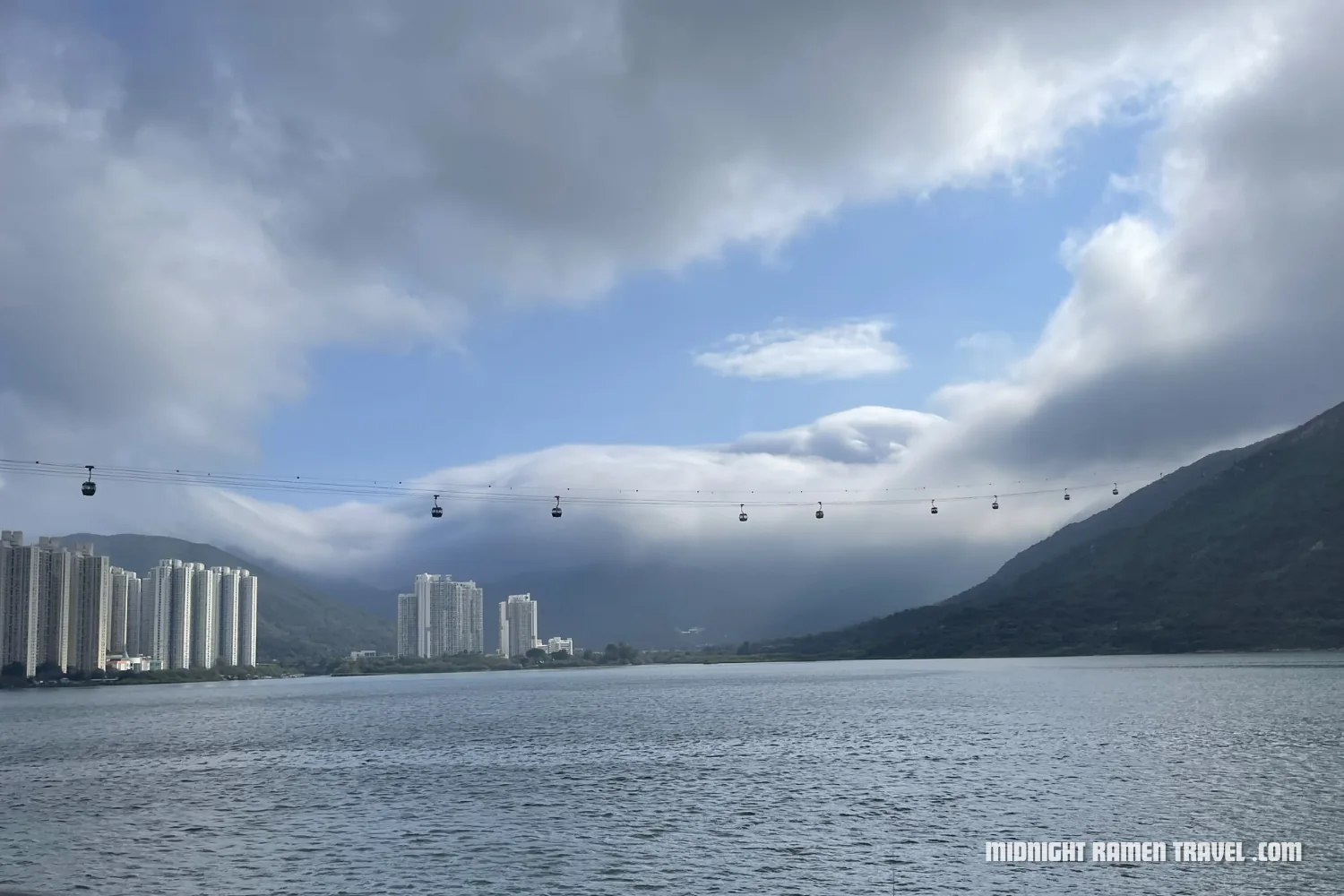
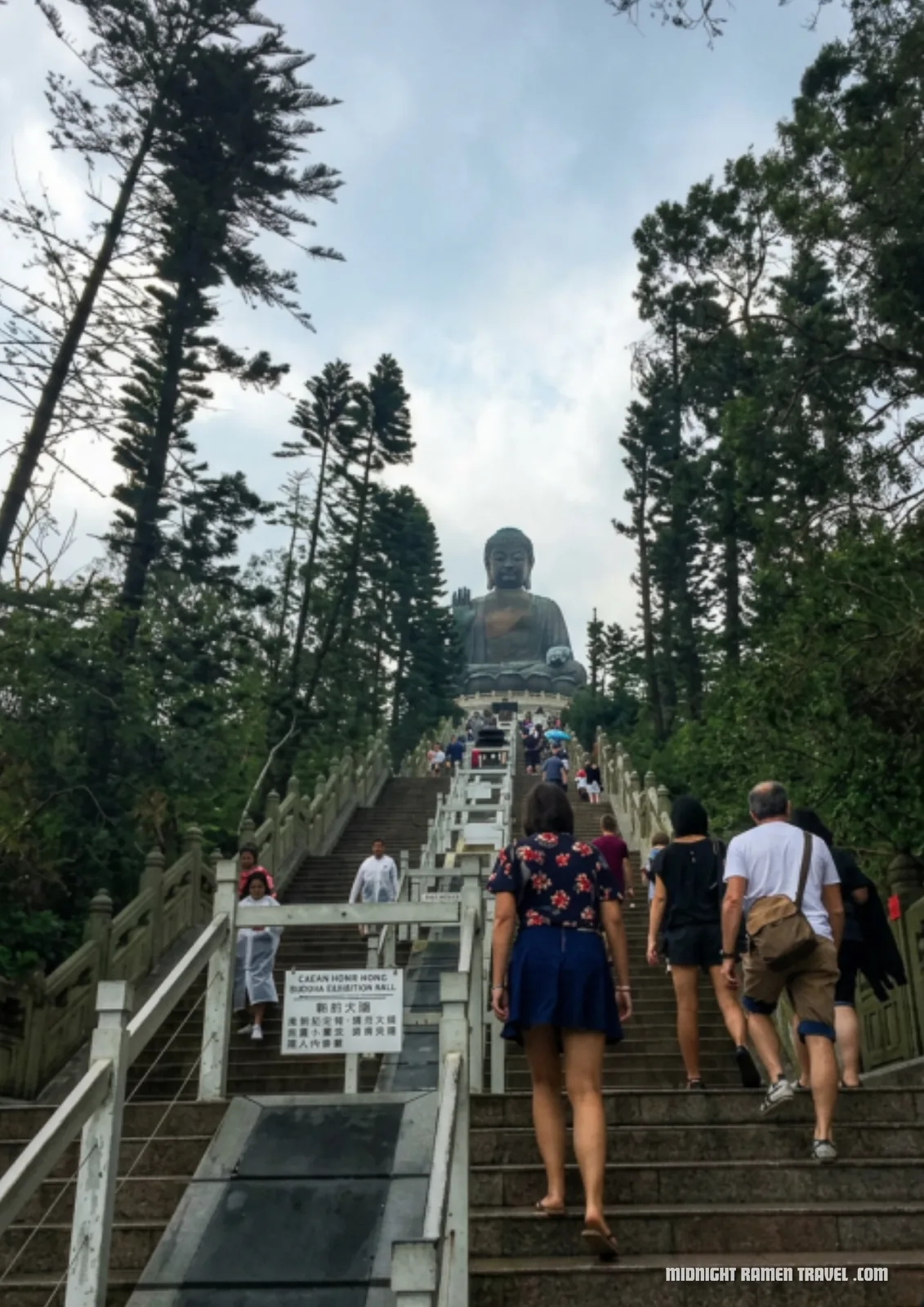
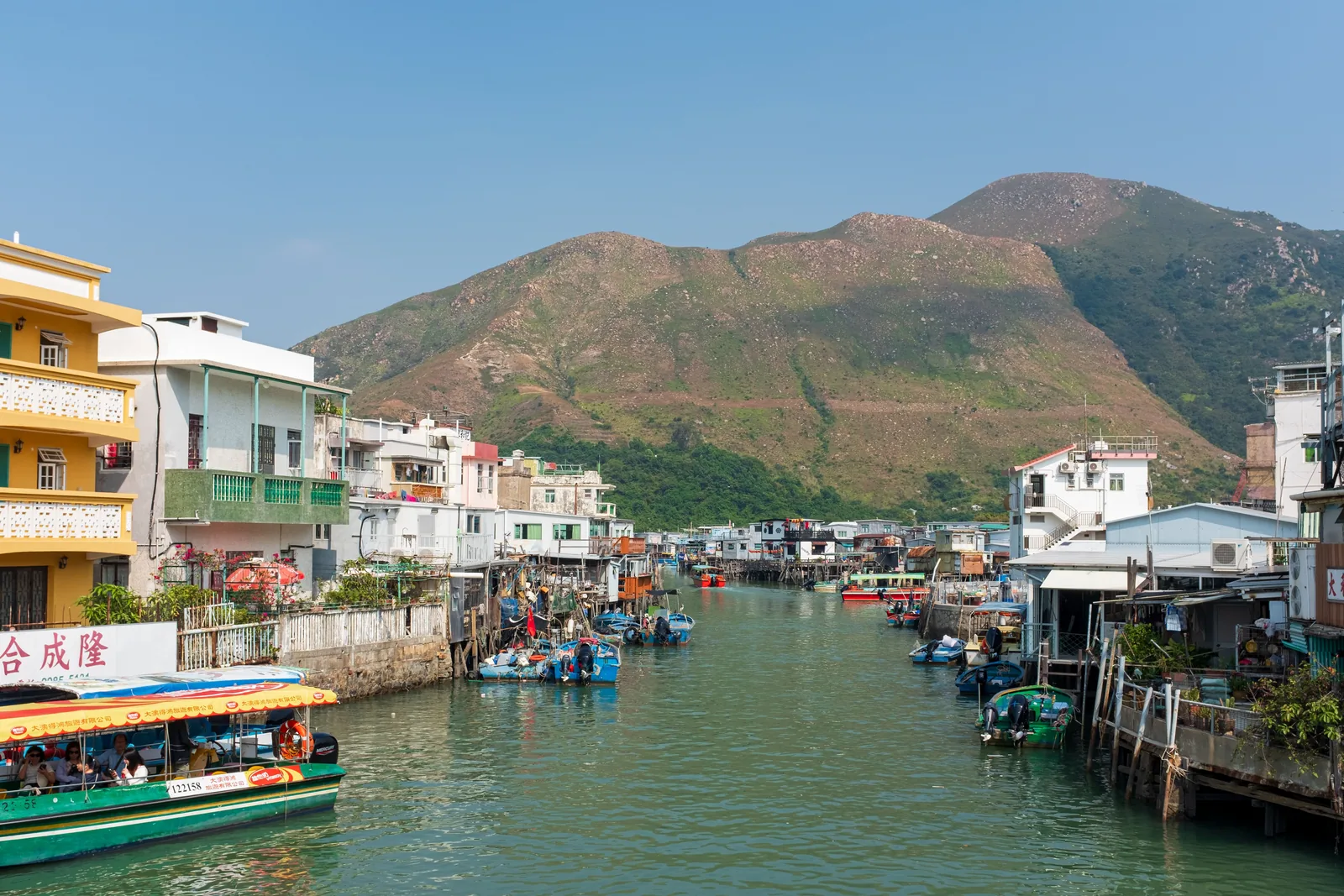
But there is more to Lantau than just the cable car and Big Buddha. If you have the time, Lantau can easily fill a full day. Tai O fishing village is the best add-on if you want to make more of it and get a more local Hong Kong feel, with its stilt houses, cute shops and older village atmosphere.
You could also add the Wisdom Path for a short walk, head to Cheung Sha Beach if you want a more relaxed beachy side of Hong Kong, or explore quieter areas like Mui Wo. Hong Kong Disneyland is also on Lantau, although it is more of a separate full-day plan rather than something to tack onto this one.
The easiest way to visit is to take the MTR Tung Chung Line to Tung Chung Station for the cable car. You can also take the ferry from Central Pier 6 to Mui Wo if you want to explore the south side of the island. From there, buses and taxis make it easy enough to reach places like Tai O.
For me, Lantau is definitely worth doing, but I probably would not prioritise it if I only had a couple of days in Hong Kong. If you have longer than that though, it is a great way to see a broader and less urban side of Hong Kong.
- Getting there: Take the MTR to Tung Chung Station for the Ngong Ping 360 cable car. For Mui Wo, take the ferry from Central Pier 6.
- Hours: Ngong Ping 360 usually runs around 10:00am to 6:00pm on weekdays and 9:00am to 6:30pm on weekends / public holidays, but check the official site before going as maintenance days and special hours can change.
- Cost: Paid if taking the Ngong Ping 360 cable car. Prices vary depending on standard / crystal cabin and one-way / return, so it’s worth checking the latest fares online before booking.
- Time needed: Allow half a day minimum, but ideally a full day if adding Tai O or other parts of Lantau.
→ Click HERE to check current prices and book the Ngong Ping 360 cable car
10. Day Trip to Macau
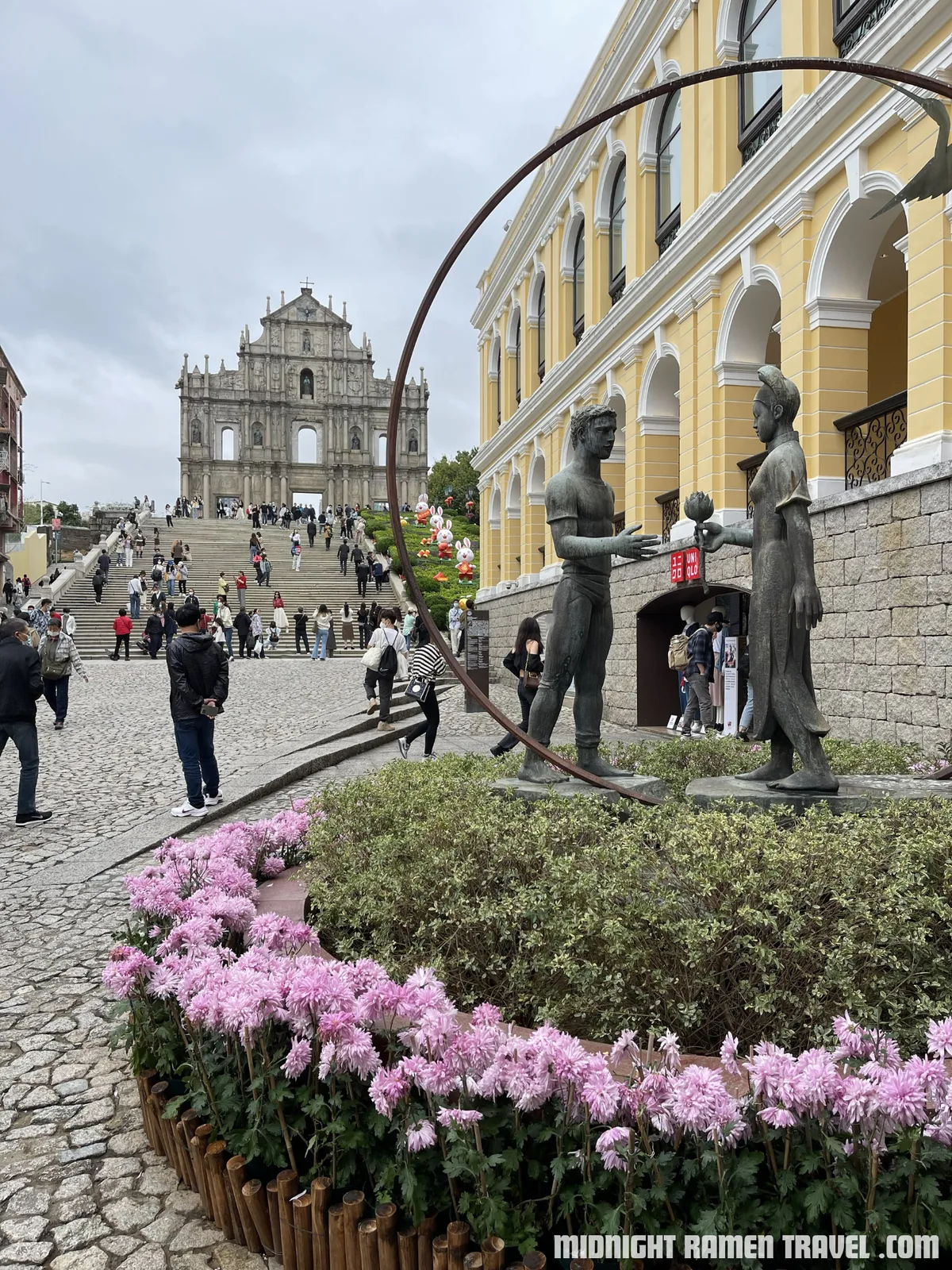
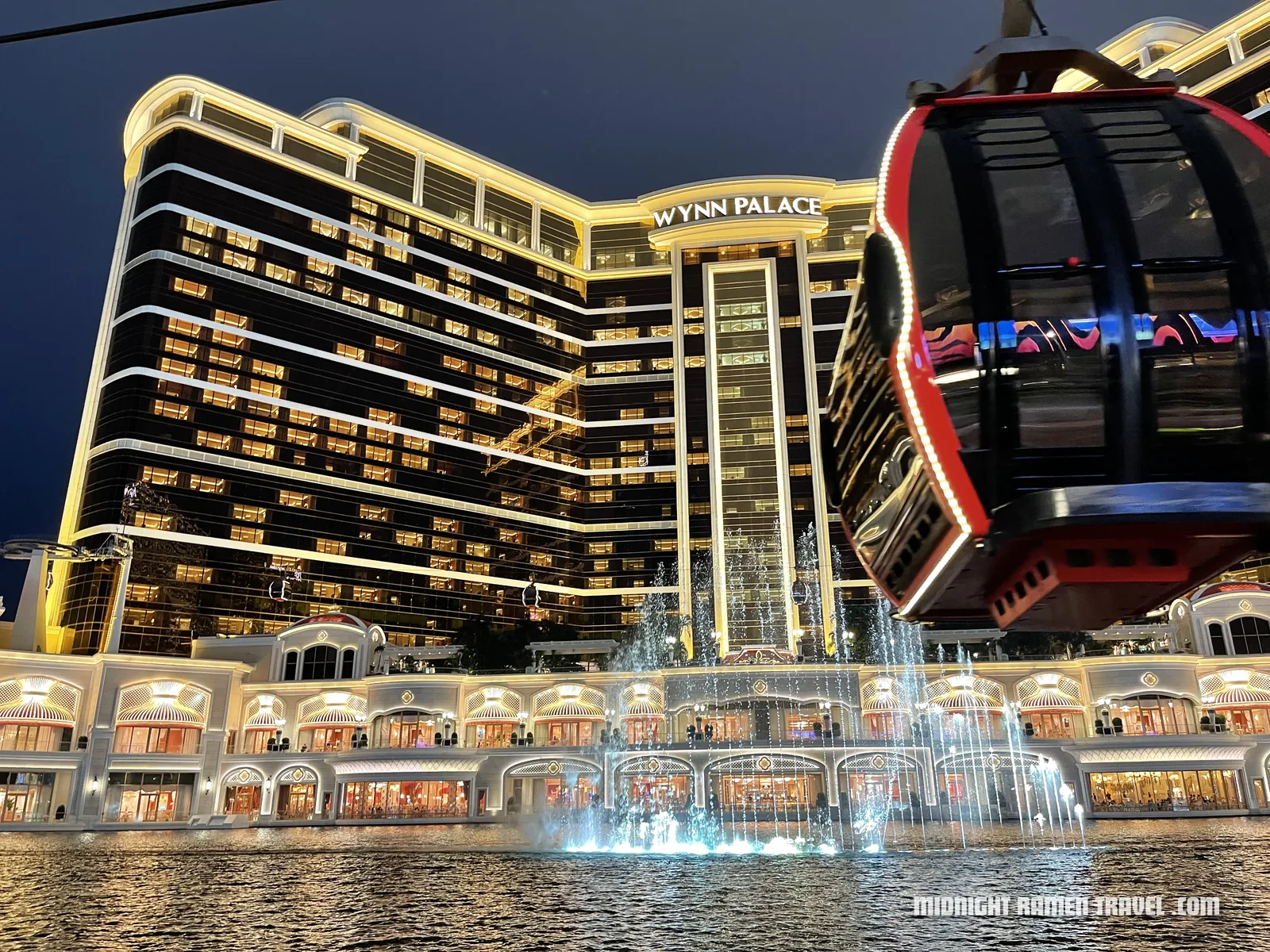
If you have the time, I highly recommend doing a day trip to Macau. It has a different feel to Hong Kong and offers a mix of Portuguese colonial history, old churches and squares, Chinese temples, egg tarts, and huge casino resorts, so it is a pretty unique place to visit.
I would mainly recommend this if you have at least 4 days in Hong Kong, or if you have been to Hong Kong before and want to see somewhere different.
The easiest way to get there is usually by ferry from Sheung Wan / Hong Kong Macau Ferry Terminal, which takes around 1 hour. You can also go by bus across the Hong Kong-Zhuhai-Macau Bridge, which at ~55km is one of the longest sea crossings in the world and honestly a bit of a novelty to ride. Or, if you’d prefer to switch your brain off and have someone else handle the ferry, the border, and the sightseeing route, a full-day guided tour is a great low-effort option.
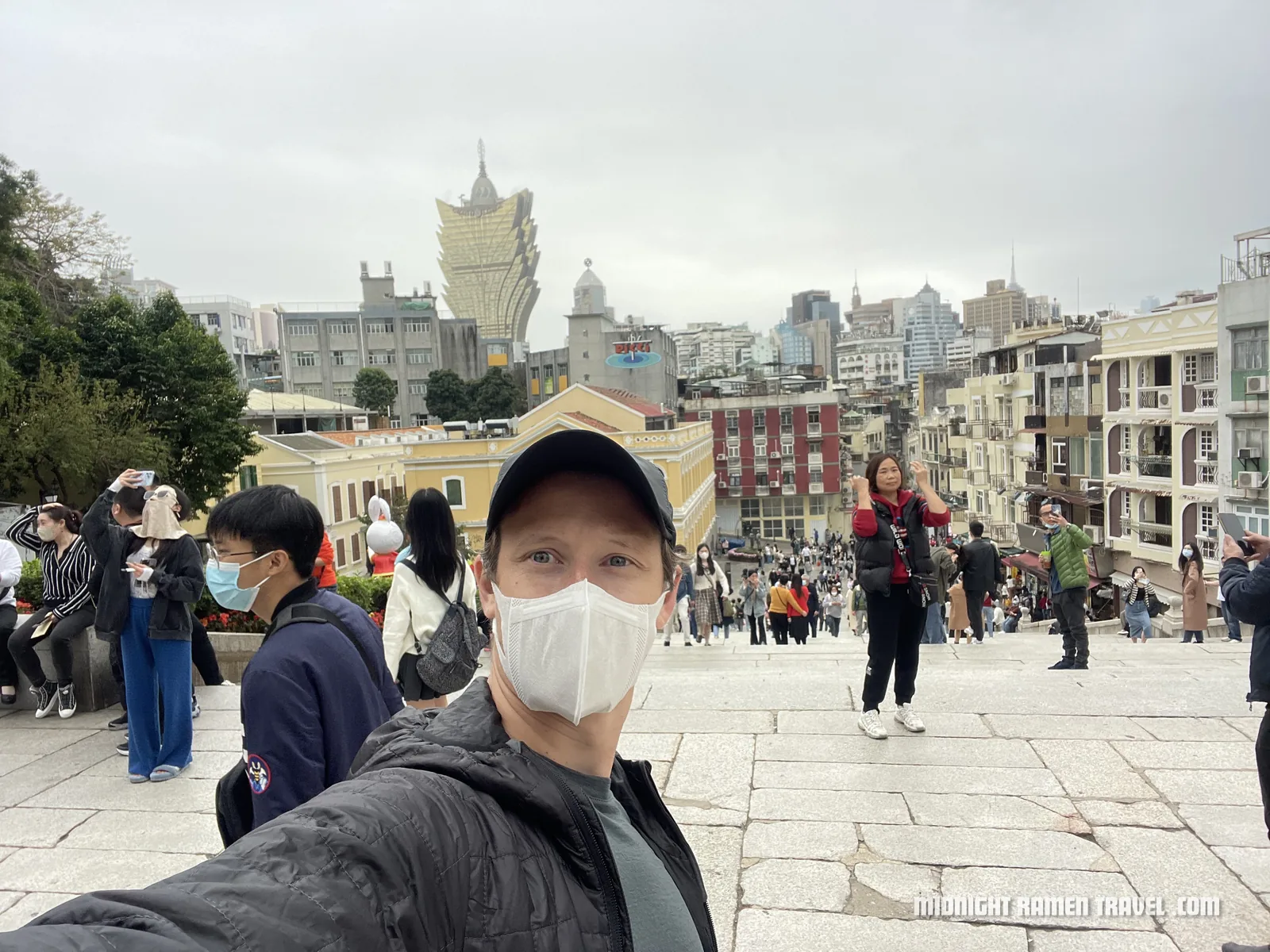
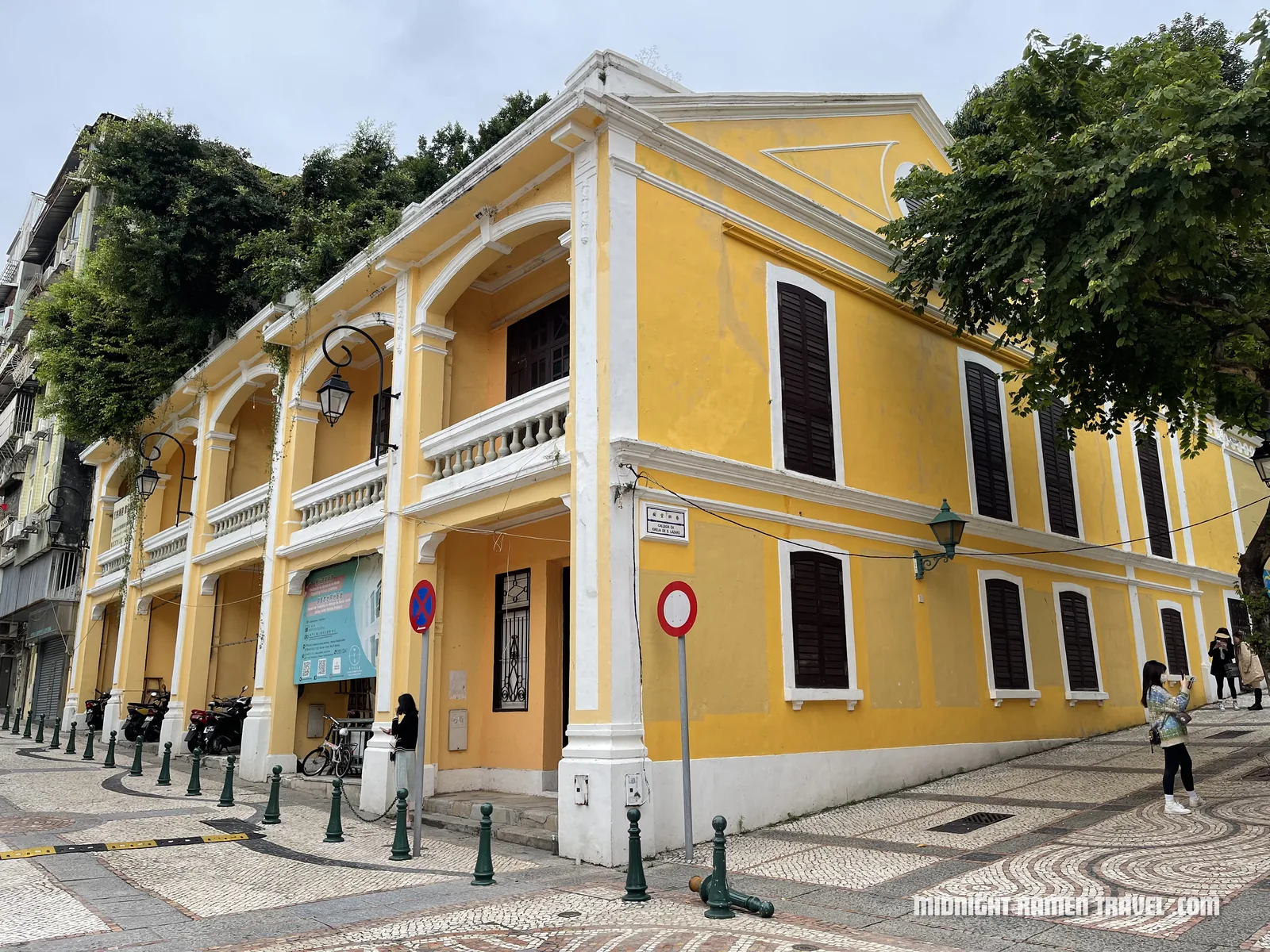
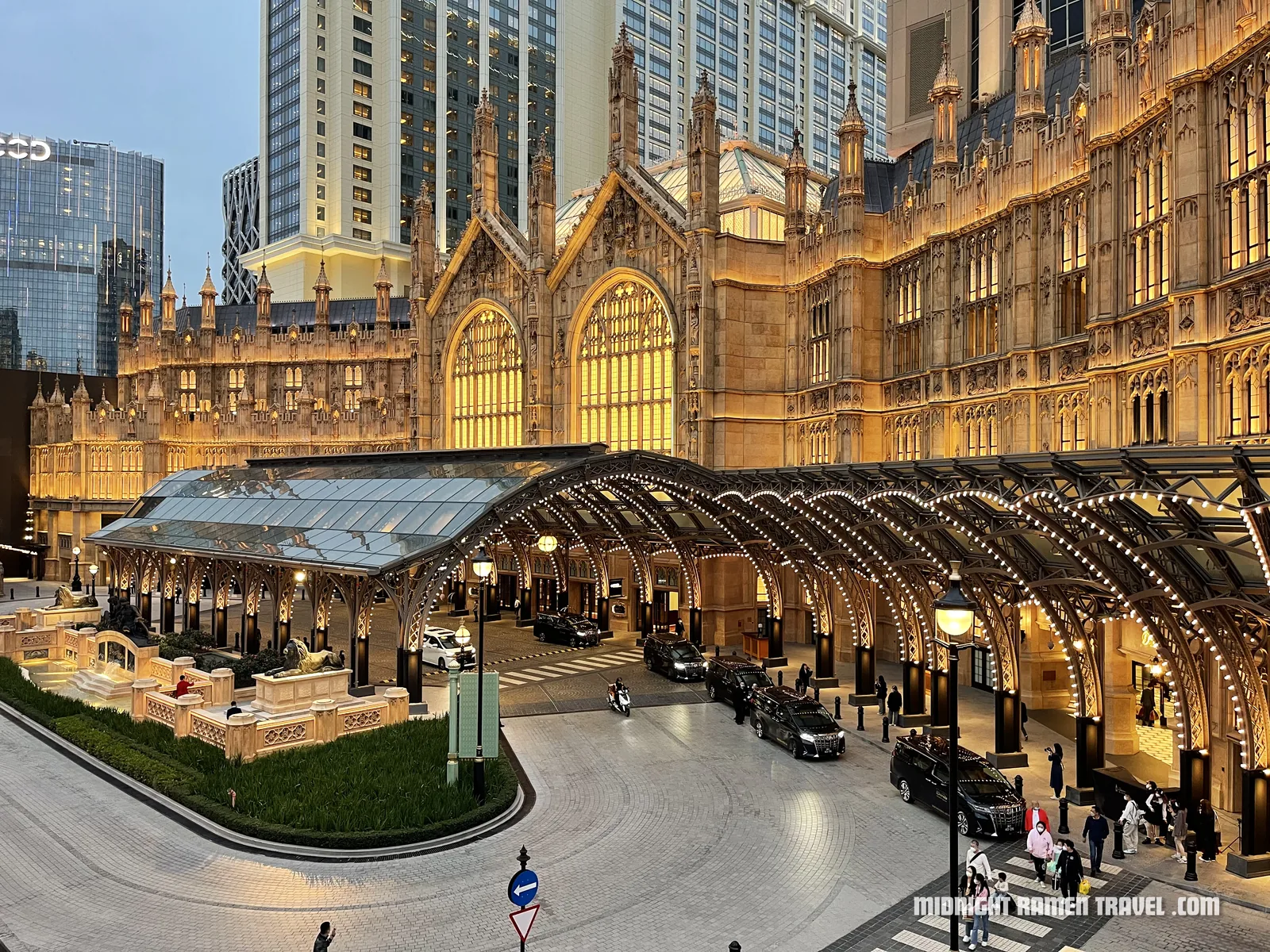
- Getting there: Ferry from Hong Kong Macau Ferry Terminal in Sheung Wan, or bus via the Hong Kong-Zhuhai-Macau Bridge.
- Cost: Ferry / bus costs vary by operator, day and time. Macau itself can be done fairly cheaply if you focus on walking, food and historic sights, but obviously the casino / resort side can get expensive fast.
- Time needed: Full day. Go early if you want to see both the old Portuguese historic centre and the casino / Cotai side.
- Heads up: Macau is a separate immigration region, so bring your passport and check entry rules for your nationality before going.
→ Click HERE to check ferry times and book Hong Kong to Macau ferry tickets
→ Click HERE to check current prices and book a full-day Macau sightseeing tour
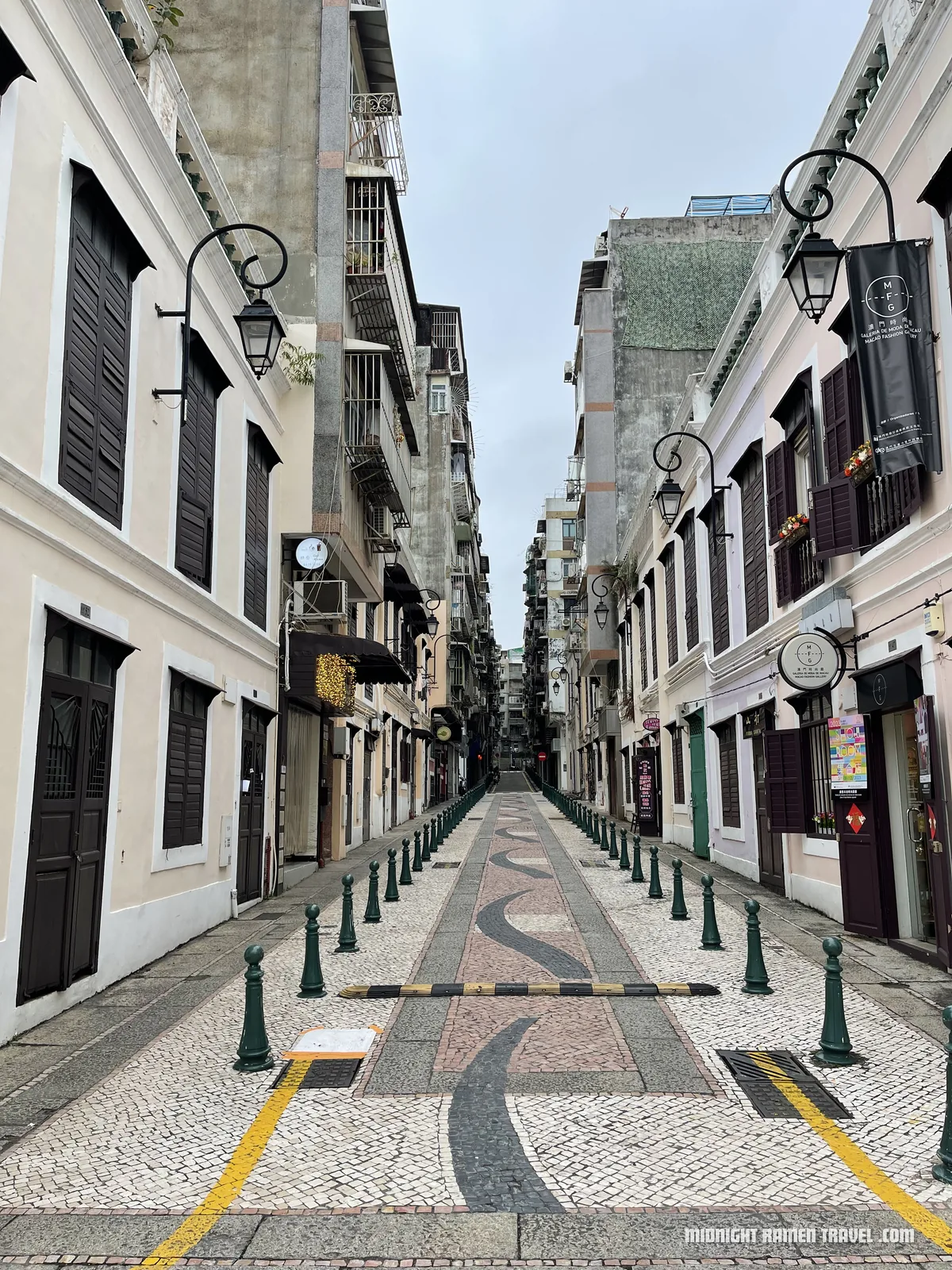
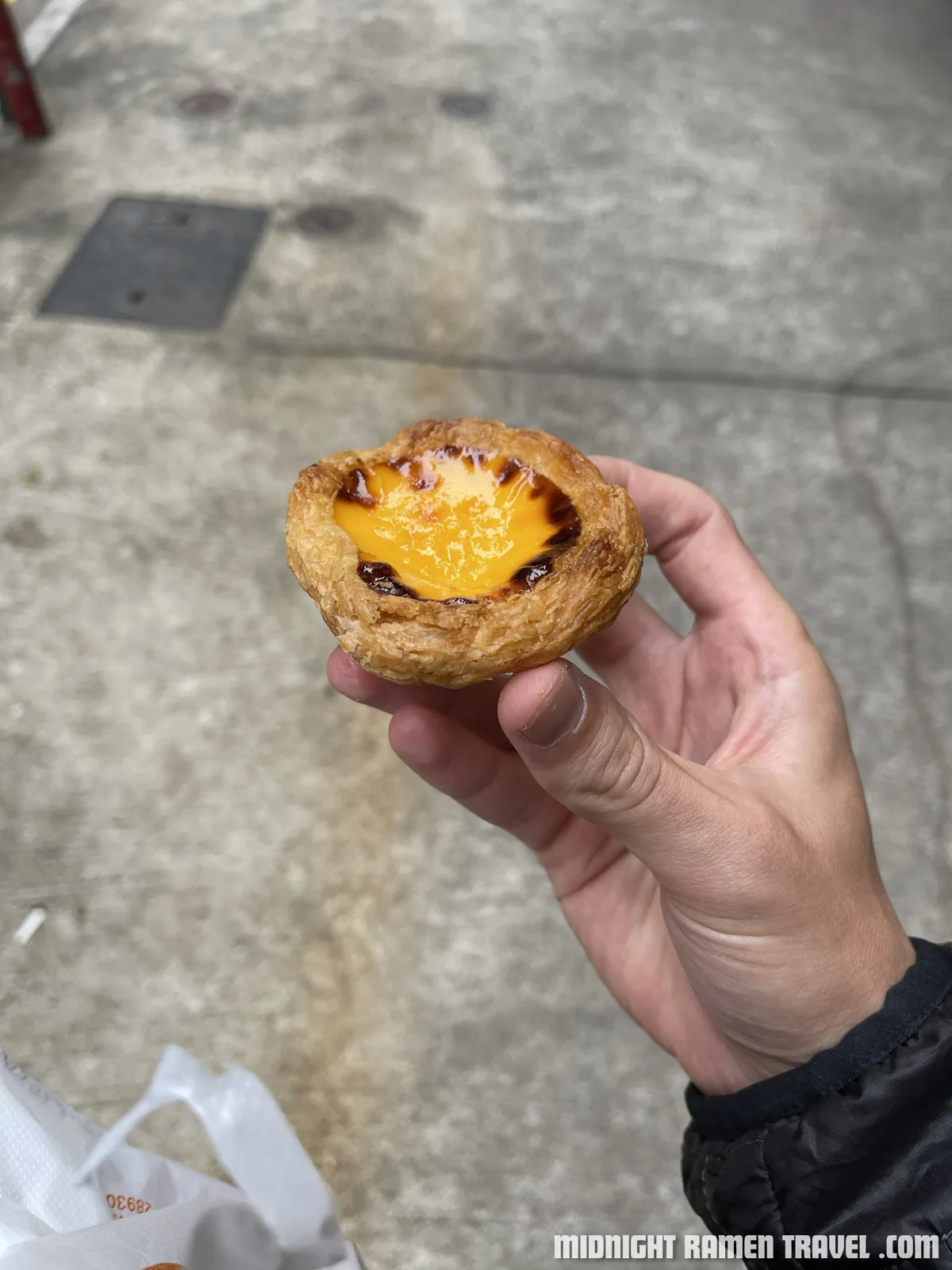
11. Venture into Mainland China
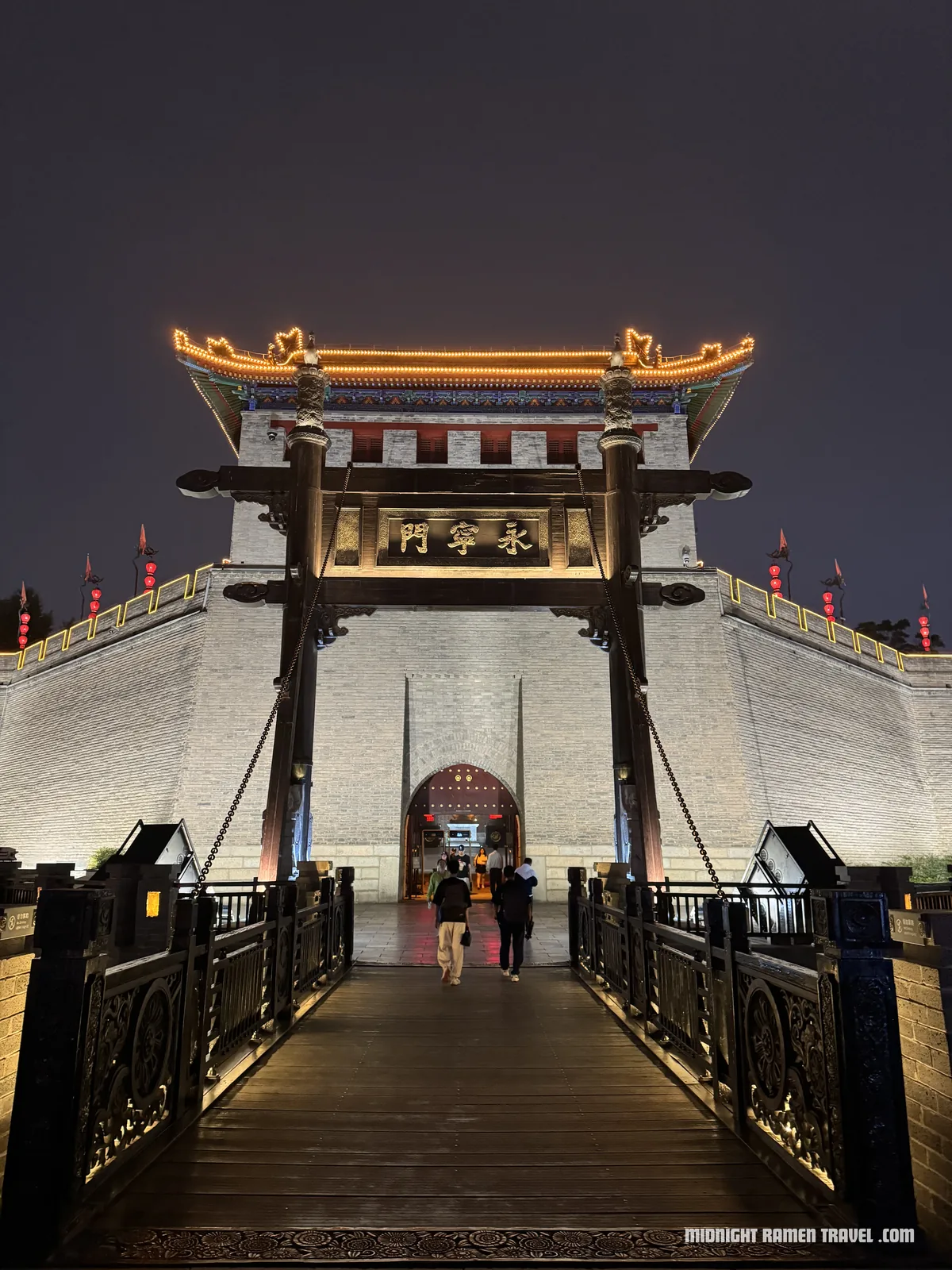
Hong Kong and Macau are both great, but venturing into Mainland China is on another level. It is also much more accessible now thanks to China’s recent visa relaxations for some nationalities. For Australians, China’s visa waiver currently allows ordinary passport holders to enter visa-free for up to 30 days for tourism, business, family visits or transit (this is listed as effective until 31 December 2026). But check before you go, as visa rules can change quickly in China.
The excellent high-speed rail network linking Hong Kong with Mainland China means you can get from Hong Kong West Kowloon Station to Shenzhen in as little as around 14-15 minutes on the fastest trains, or from Hong Kong to Guangzhou in roughly 45 minutes to 1 hour, depending on the train and station. The official MTR High Speed Rail site is the best place to check current timetables. You can also take the bus or ferry (see my post on the different options for travelling from Hong Kong to China here). Note: you obviously have to go through immigration / customs, but as long as you prepare properly, have the right entry permission, and do not bring anything you should not, it is pretty straightforward.
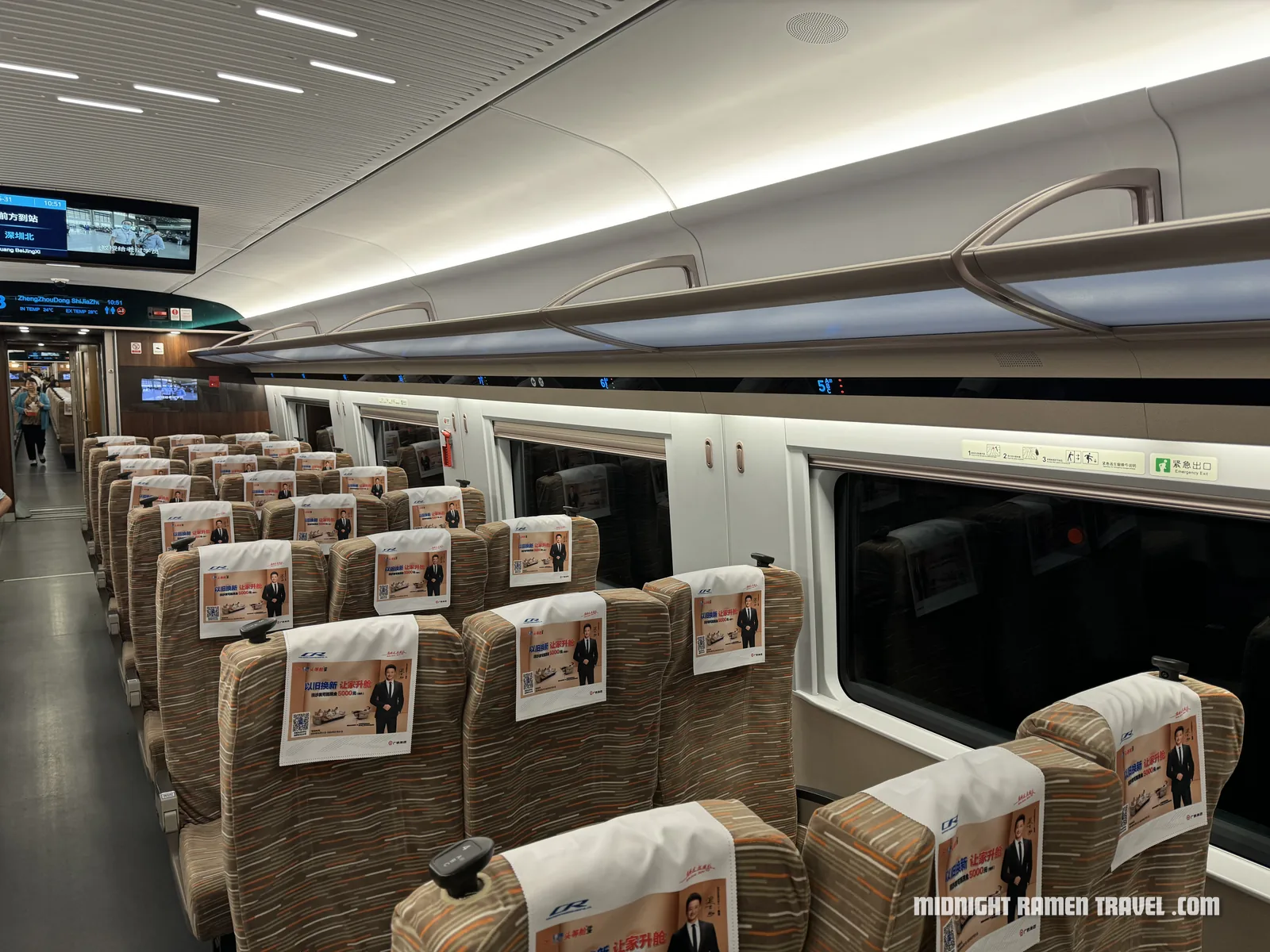
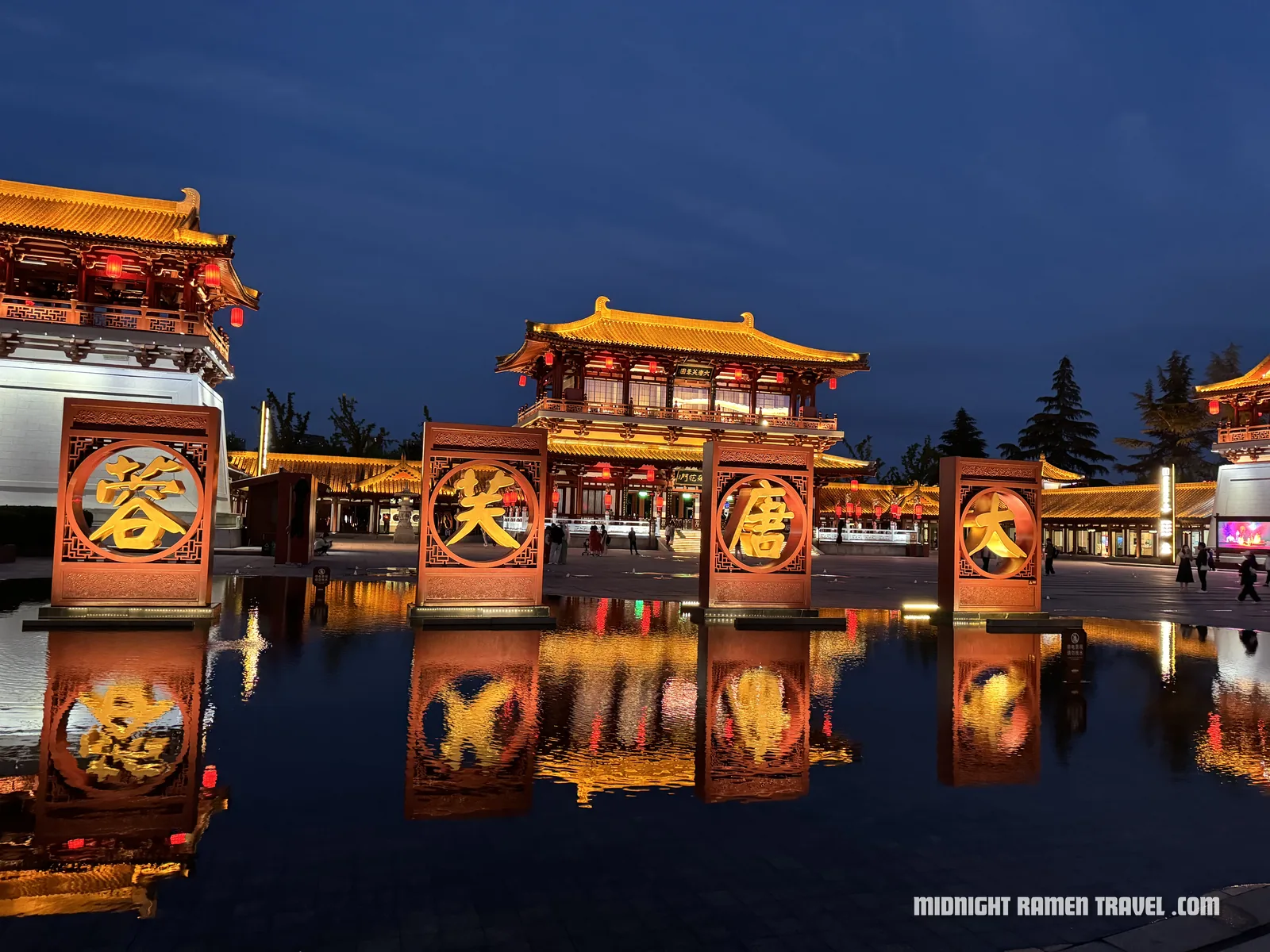
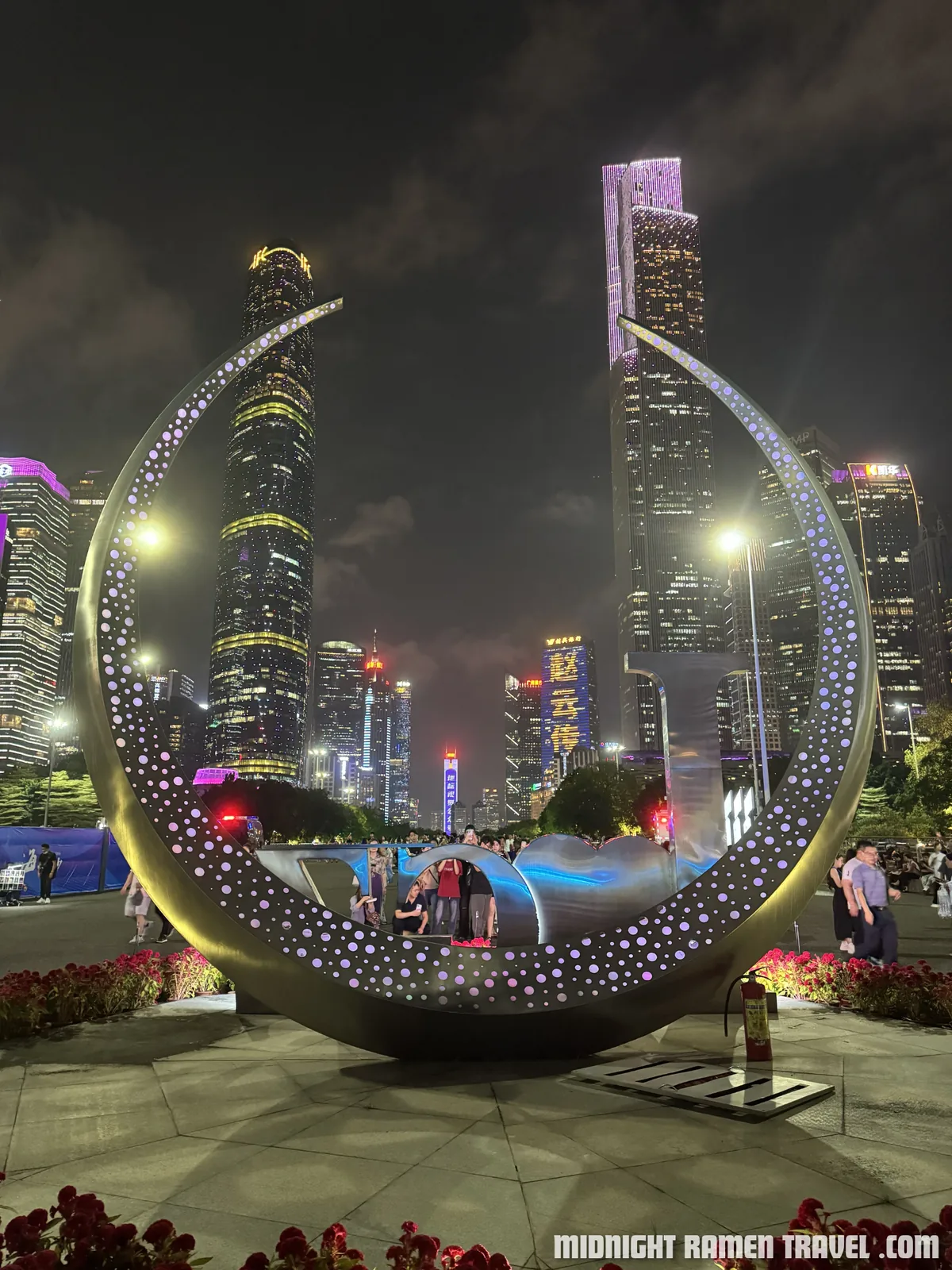
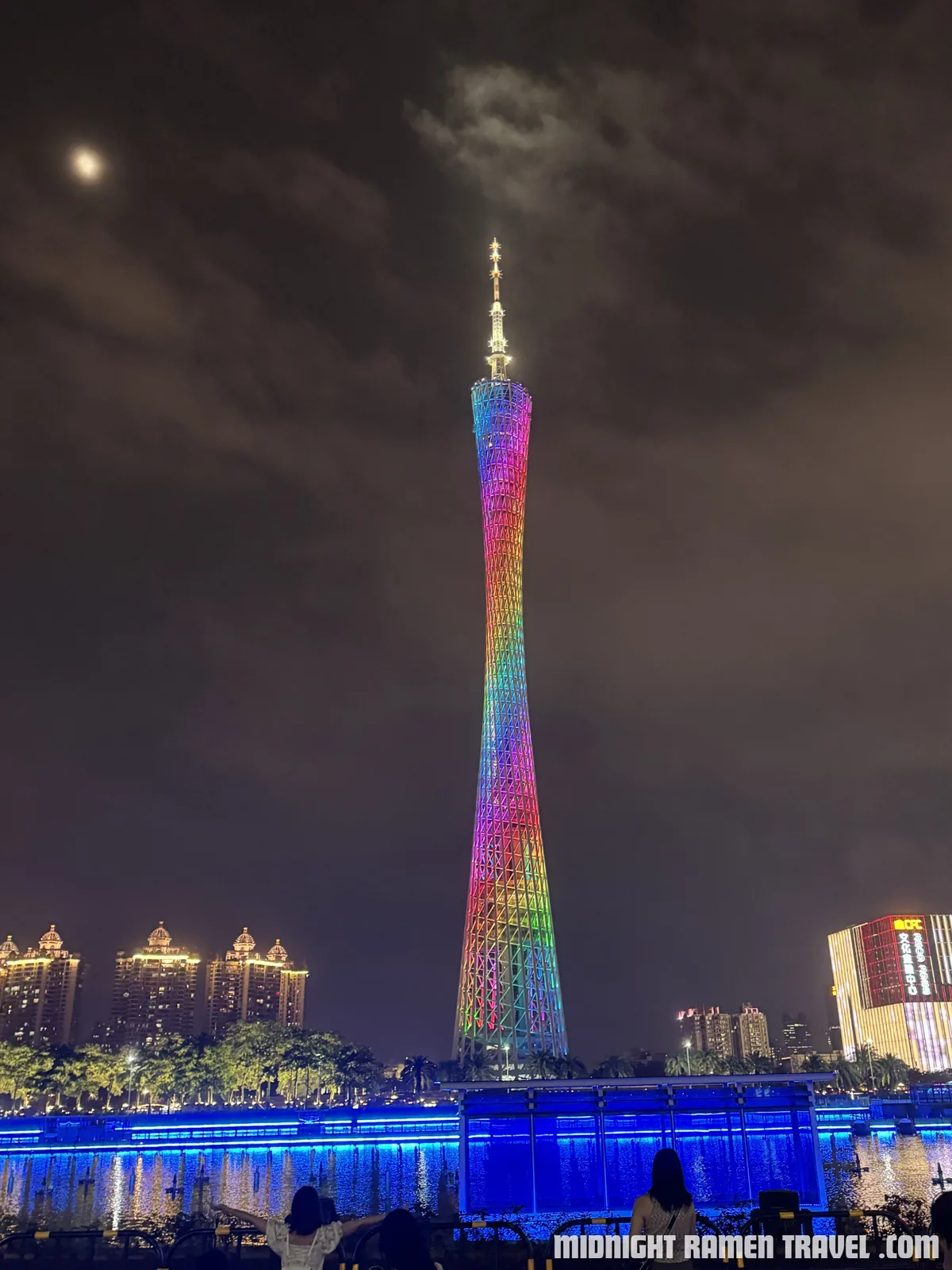
I once took the high-speed rail from Hong Kong all the way up to Beijing, around 2,400km / 1,500 miles, and the trip took just over 8 hours, with the train reaching speeds of over 300km/h. I have been to Mainland China more than five times now, and every time I visit I find the pace at which it has developed completely mind-blowing.
If you have never been to mainland China, it can be a really eye-opening add-on to a Hong Kong trip. It may feel very different from what you expect, especially if your impression mostly comes from headlines.
Here are some links to some of my walking videos in China:
- Getting there: High-speed trains depart from Hong Kong West Kowloon Station. Tickets can be booked through the official rail channels or platforms like Trip.com. Bookings usually open around 3 weeks in advance. I would book early, especially around weekends and holiday periods.
- Cost: Depends on destination and train type. Shenzhen and Guangzhou are very affordable, while longer trips to places like Shanghai or Beijing can cost considerably more.
- Time needed: Full day minimum for a day trip to Shenzhen or Guangzhou. Longer if you want to go further into Mainland China.
- Heads up: Mainland China has different entry rules, apps, payment systems and internet access restrictions compared with Hong Kong, so prepare properly before going.
→ For high-speed rail tickets, the easiest ways to book are through Klook or Trip.com
More Things To Do
12. Have a Traditional Hong Kong Breakfast at a Cha Chaan Teng
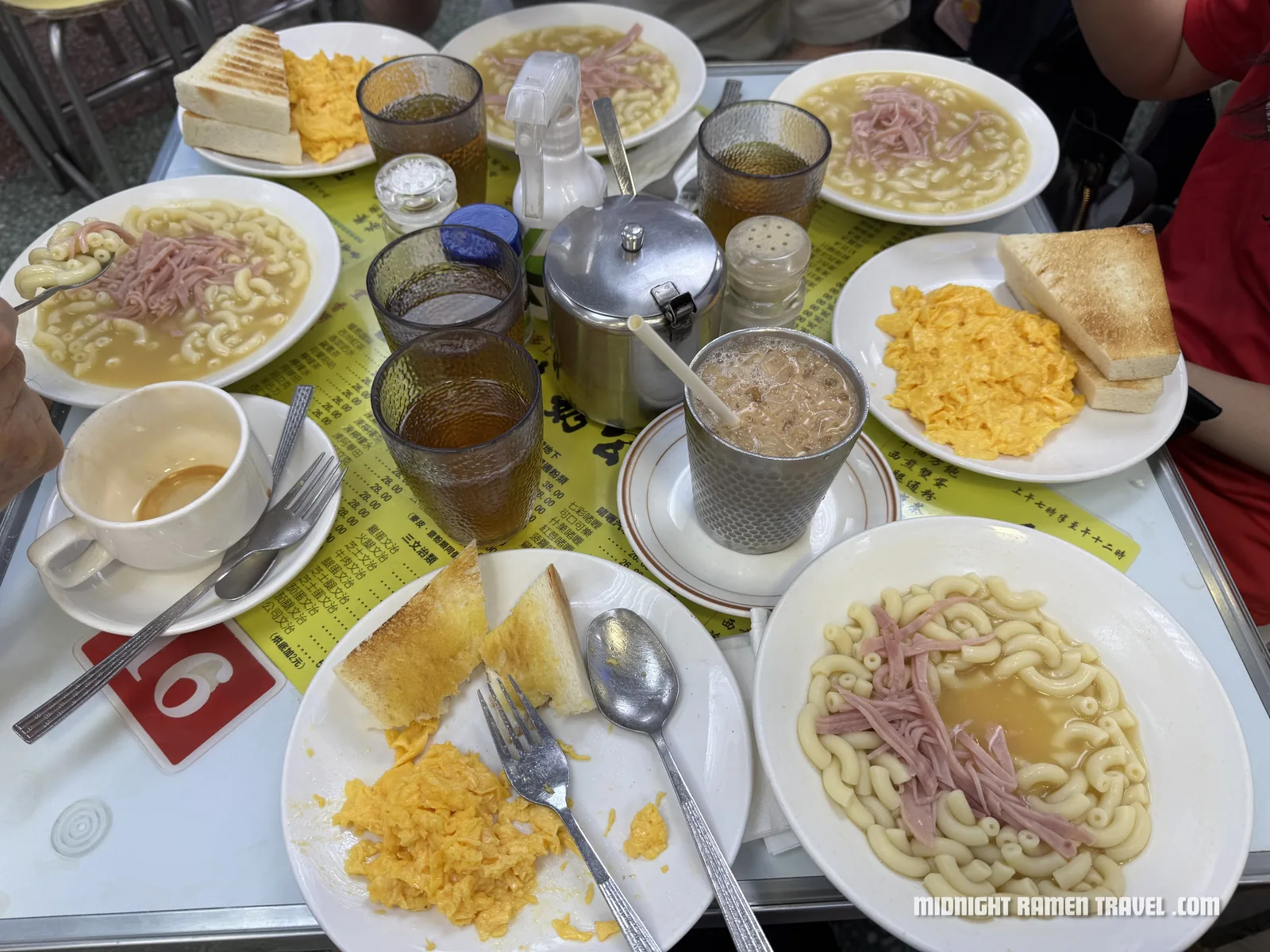
If you visit Hong Kong, then you should start at least one day the proper Hong Kong way and get a cha chaan teng breakfast. These old-school local cafés are a huge part of Hong Kong food culture, and one of the best ways to try the kind of everyday comfort food locals actually eat. They are not fancy, but that is kinda the point. They are fast, filling, chaotic and usually crowded, i.e. very Hong Kong.
Expect things like macaroni soup, toast with condensed milk, pineapple buns, Hong Kong-style milk tea, and instant noodles with spam or egg, which you can usually get in a simple breakfast set (also, just FYI for those like me who didn’t realise this at first, there is no actual pineapple in Hong Kong pineapple buns).
A few popular places to try are Australia Dairy Company in Jordan, which is probably the most famous one for scrambled eggs and fast chaotic service, Kam Wah Cafe in Mong Kok for pineapple buns, and Lan Fong Yuen in Central, which is especially well known for Hong Kong-style milk tea. See my Best Places to Eat in Hong Kong post for more cha chaan teng recommendations, what to order, and which ones I’d prioritise.

- Cost: Affordable.
- Time needed: 30–45 minutes each.
- Heads up: All three are busy, cramped, fast-paced local cafés. Go for the food, not a relaxing sit-down café experience.
Recommended Cha Chaan Tengs:
- Australian Dairy Company, Jordan
– Address: 47 Parkes Street, Jordan, Kowloon.
– What to order: Scrambled eggs, toast, milk pudding. - Kam Wah Cafe, Mong Kok
– Address: G/F, 47 Bute Street, Mong Kok.
– What to order: Pineapple bun with butter, egg tart, milk tea. - Lan Fong Yuen, Central
– Address: 2 Gage Street, Central.
– What to order: Hong Kong-style milk tea, pork chop bun, instant noodles.
13. Do a Walking Tour With a Local Guide
This is a good one for first-timers. One of the first things I usually do in almost every new city I travel to is a walking tour. While the quality often depends on the guide you get, the one I did in Hong Kong, which included multiple food tastings, was great.
So if you like having a bit of structure, hearing some local stories, and getting shown places you may have walked past otherwise, then a walking tour is definitely a worthwhile addition.
If you were to do only one, I would recommend doing a walking tour around Central and Sheung Wan, as it is one of the most densely packed parts of the city for sights, food, history, and atmosphere.
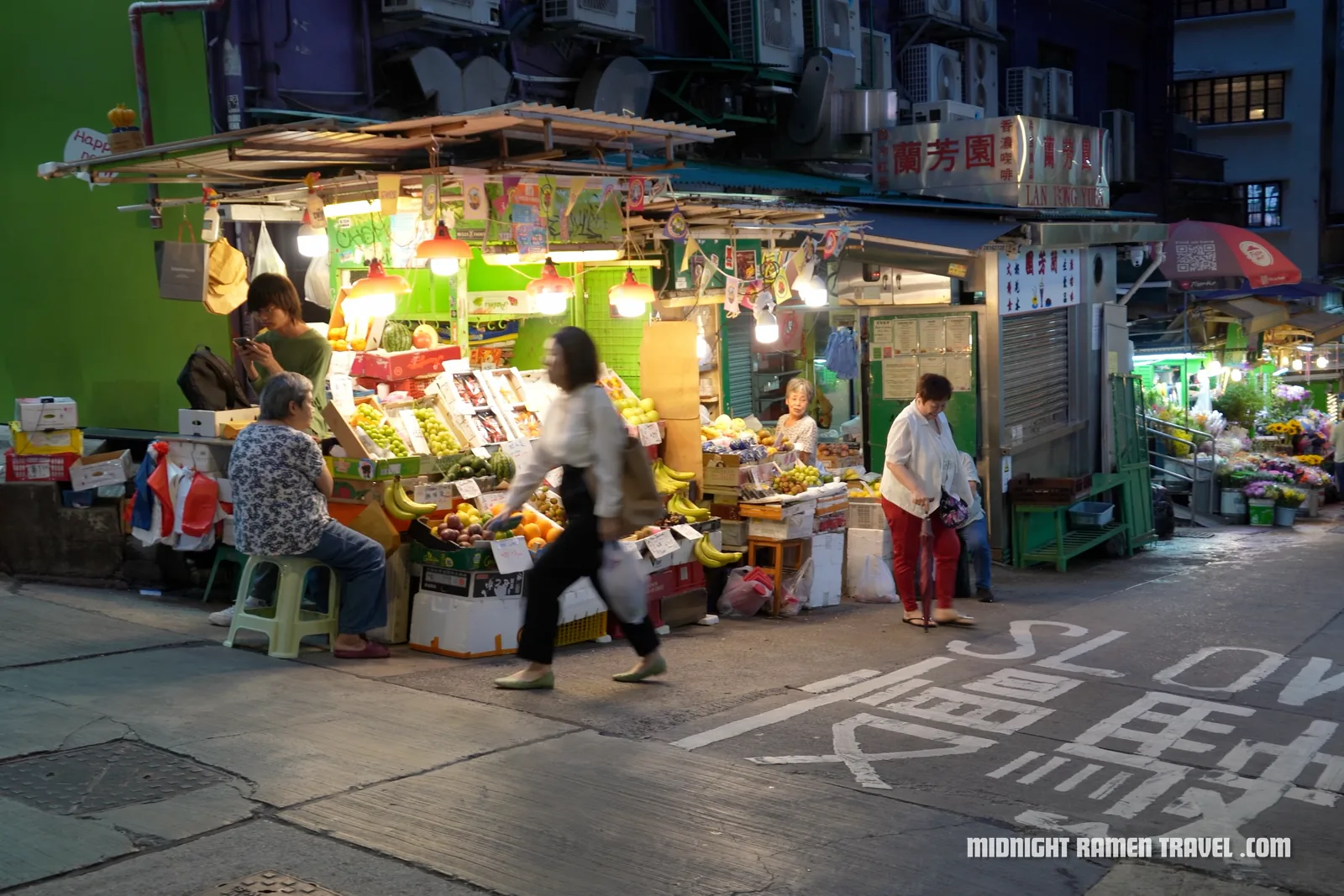
Upon last check, unfortunately my favourite Hong Kong walking tour had been discontinued. But a couple of similar types of tours to look into are:
- Central and Sheung Wan culture / history walking tour: good if you want local stories, old streets, temples, markets, architecture and a bit of history.
- Old Town Central walking tour: good if you want more of a neighbourhood-focused route without making the whole thing about food.
- Private custom walking tour: good if you want something more flexible, especially if you are travelling with a couple of people and can split the cost.
→ Click HERE to check current prices and book this Hong Kong guided walking tour
Alternatively, you could also follow my self-guided walking route from Day 1 of my 3 Day Hong Kong Itinerary.
14. Do a Food Tour
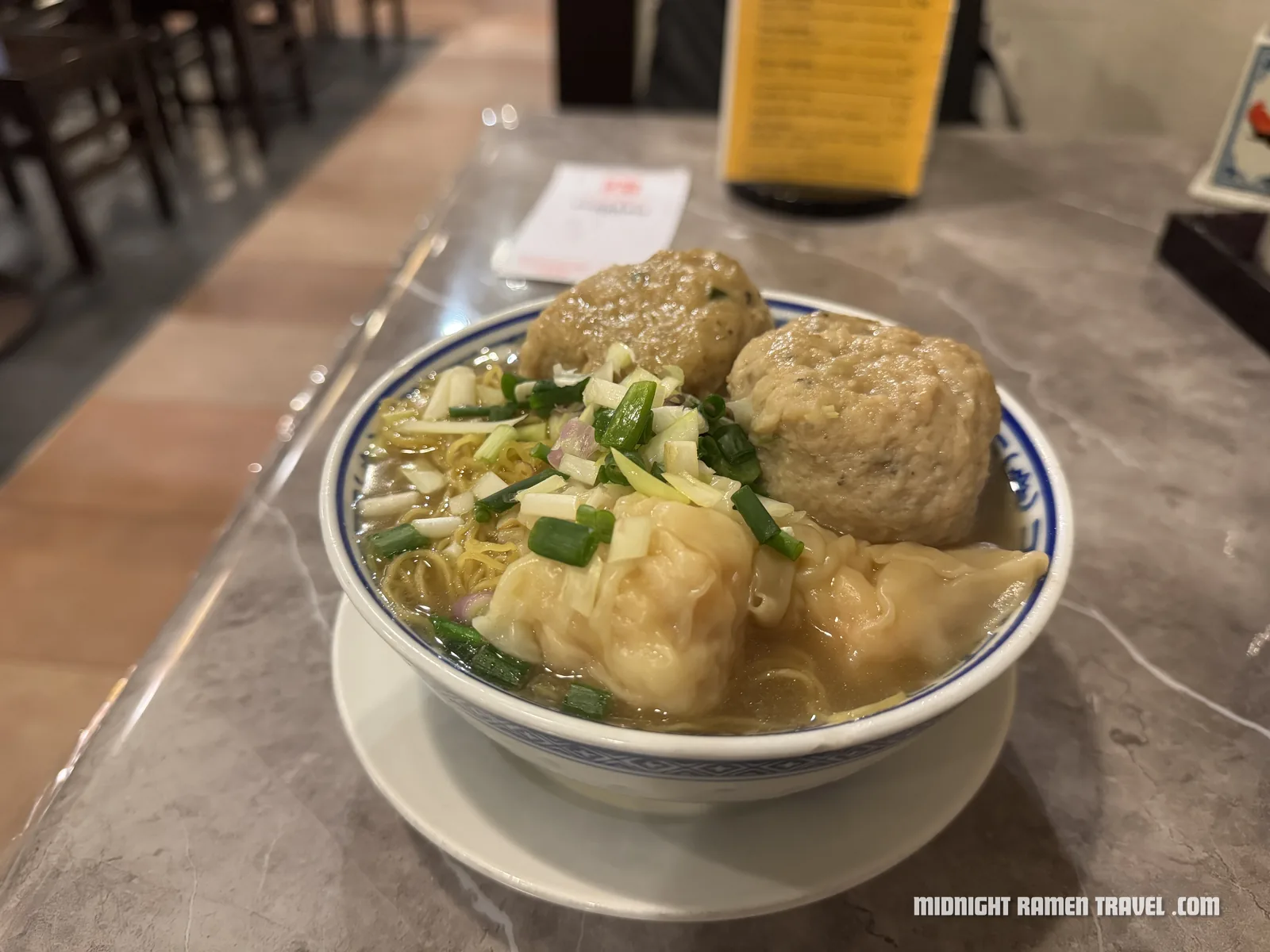
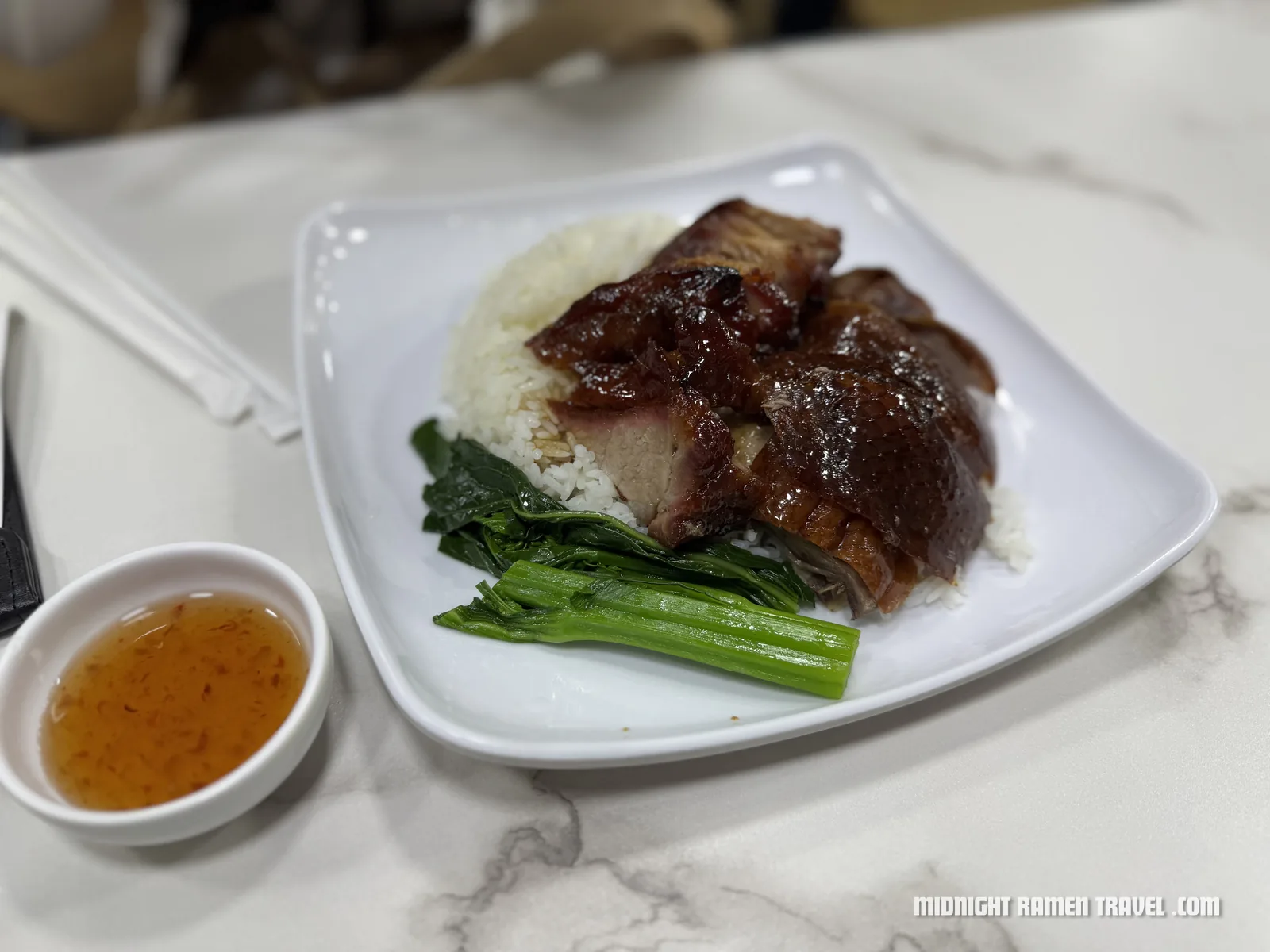
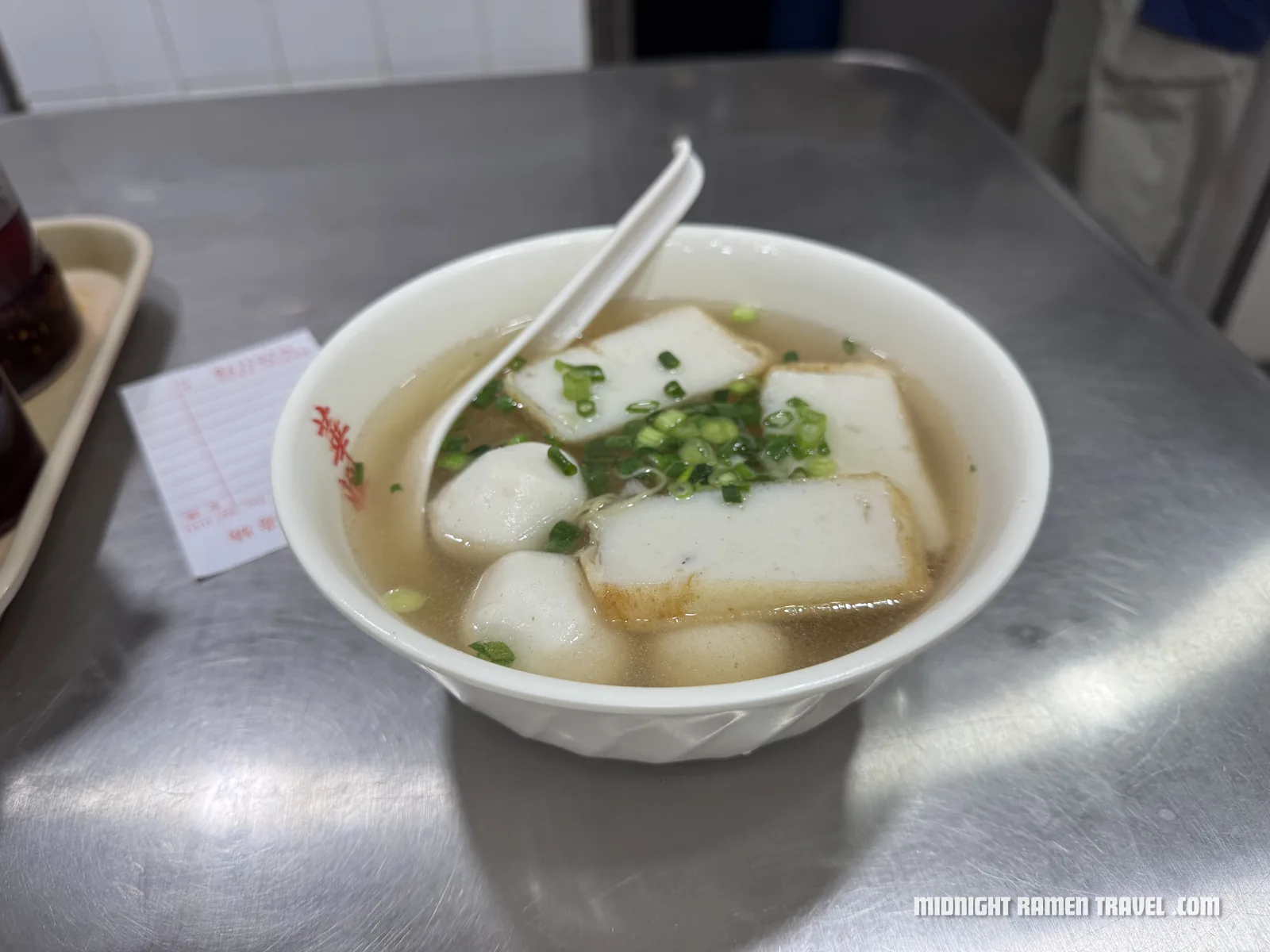
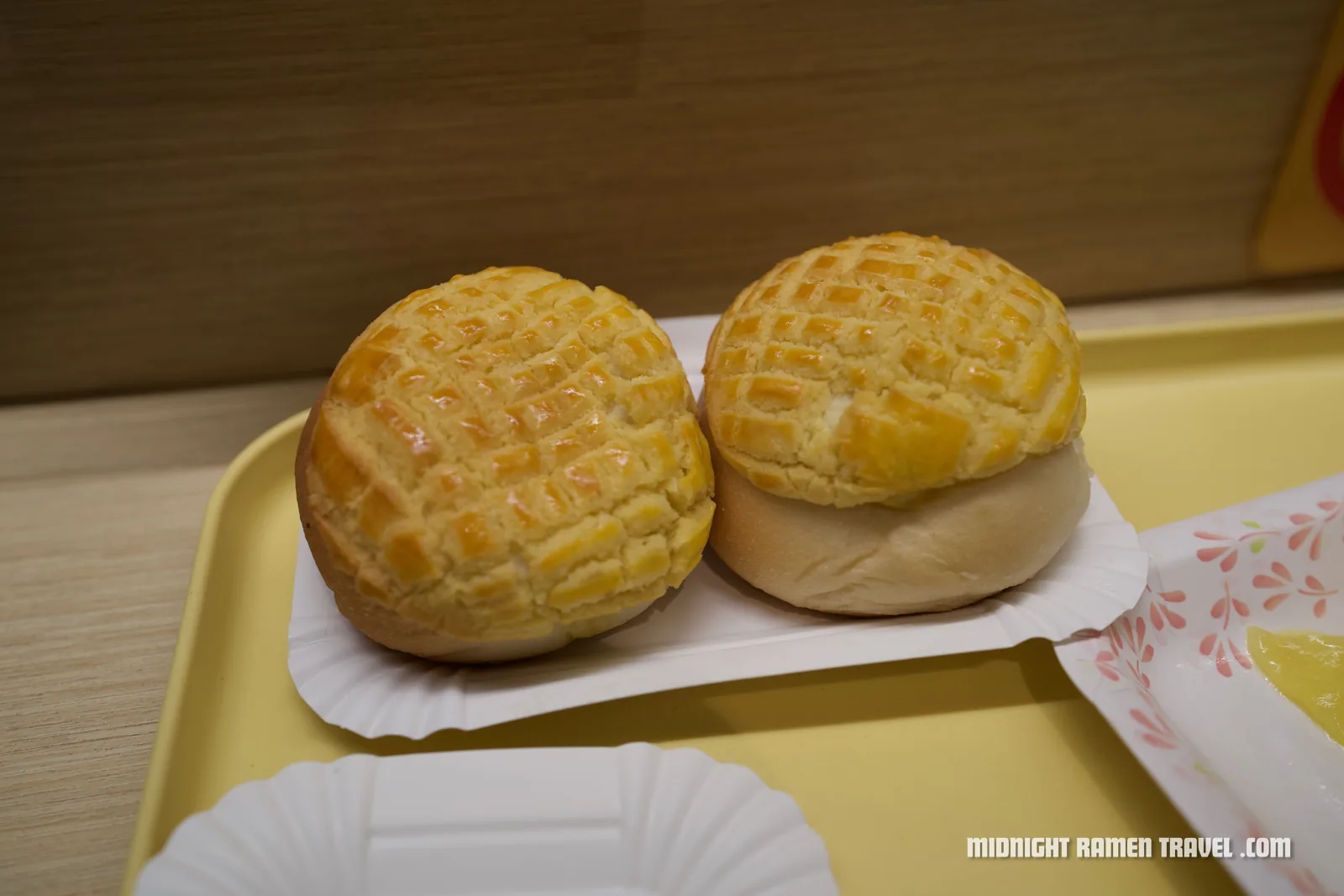
Do it! It will be delicious!
There are plenty of food tour options in Hong Kong, and as long as you choose one with decent reviews, I’m sure you will enjoy it. I’ve done multiple food tours myself and they have always been great. On one of them I was actually the only person on the tour, so I got a very personalised experience from my guide, shout out to Nathan!
Food tours are especially good in Hong Kong because a lot of the best food is in small, busy places where it can be a bit intimidating to order if you do not know what you are doing. Having a local guide take you around makes it much easier, and you usually get to try more dishes than you would by yourself.
Pro tip: do not eat too much beforehand. You want to turn up hungry.
A few good types of food tours to look for are:
- Central / Sheung Wan food tours: good if you want a mix of classic Hong Kong food, markets, old streets and local history.
- Kowloon food tours: good if you want something a bit more local, dense and chaotic.
- Private food tours: good if you are travelling as a couple or group and want more flexibility.
→ Click HERE to check current prices and book this Hong Kong street food tour
Or if you would rather do it yourself, also check out my:
- Best Places to Eat in Hong Kong post
- Self-Guided Central Food Walk from my Day 1 in my Hong Kong Itinerary post
15. Travel to the South Side of Hong Kong IslandCheck out Hong Kong's More Laid Back Seaside Towns
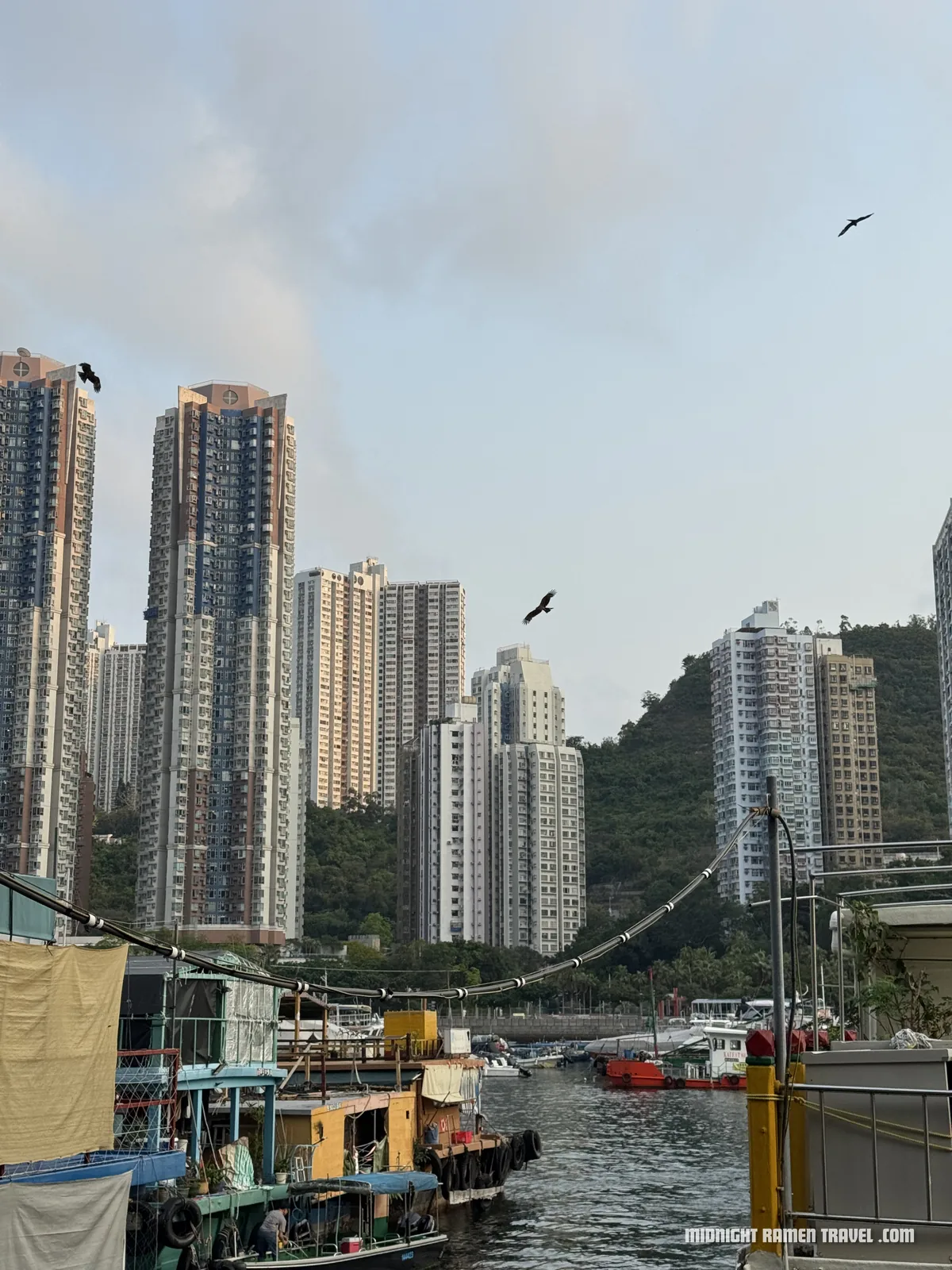
If you want to see another side of Hong Kong, heading down to the south side of Hong Kong Island can be a nice change of pace from the main city. Compared with the dense city feel of places like Central, Wan Chai, or Tsim Sha Tsui, this side feels much more coastal, laid-back and local in parts.
Some of the main spots to check out on the south side are:
- Aberdeen: a traditional fishing harbour, and actually where I stayed on my first trip to Hong Kong. I remember thinking the accommodation was cheap, until I realised it is about as far as you would really want to stay on your first trip to Hong Kong for only 3 days… ah well, it was still great!
- Wong Chuk Hang: just a bit further on from Aberdeen, with some street art, galleries and a more industrial / creative feel.
- Stanley: probably the most popular option, with its seaside market, waterfront, restaurants and Murray House.
- Repulse Bay Beach: one of the best-known beaches in Hong Kong, with a more polished feel and easy access.
- Shek O: a more laid-back beach village that feels a world away from central Hong Kong.
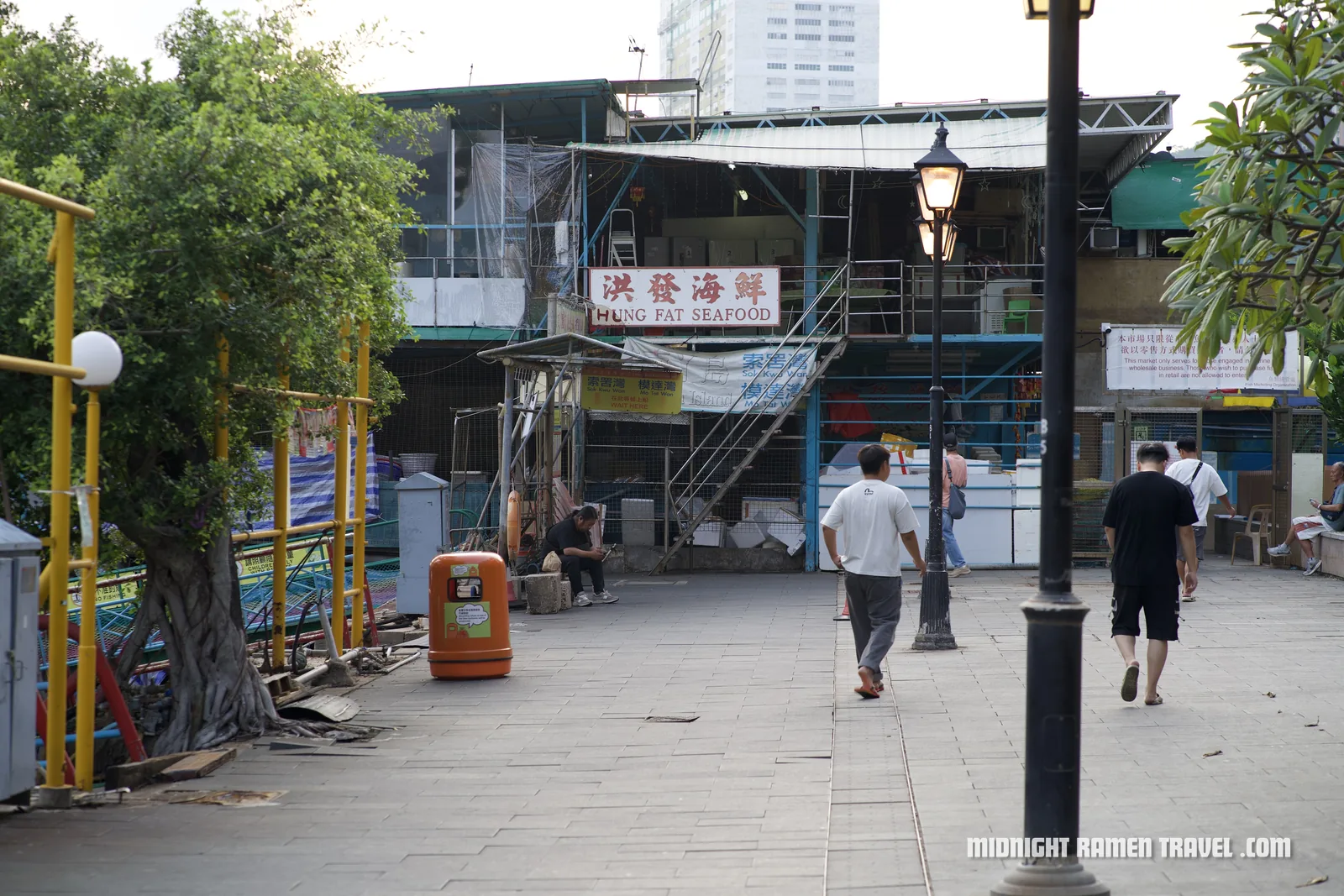
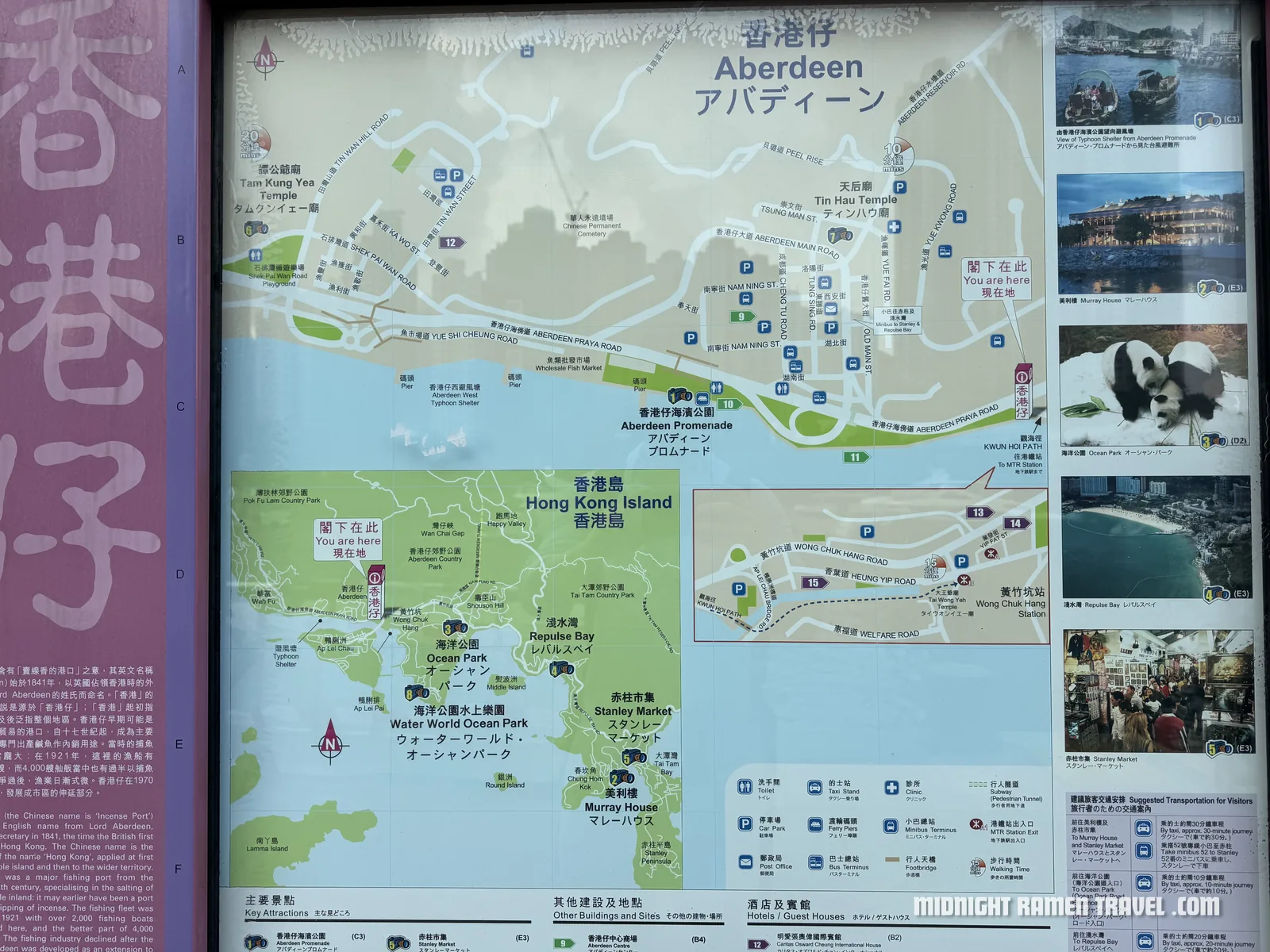
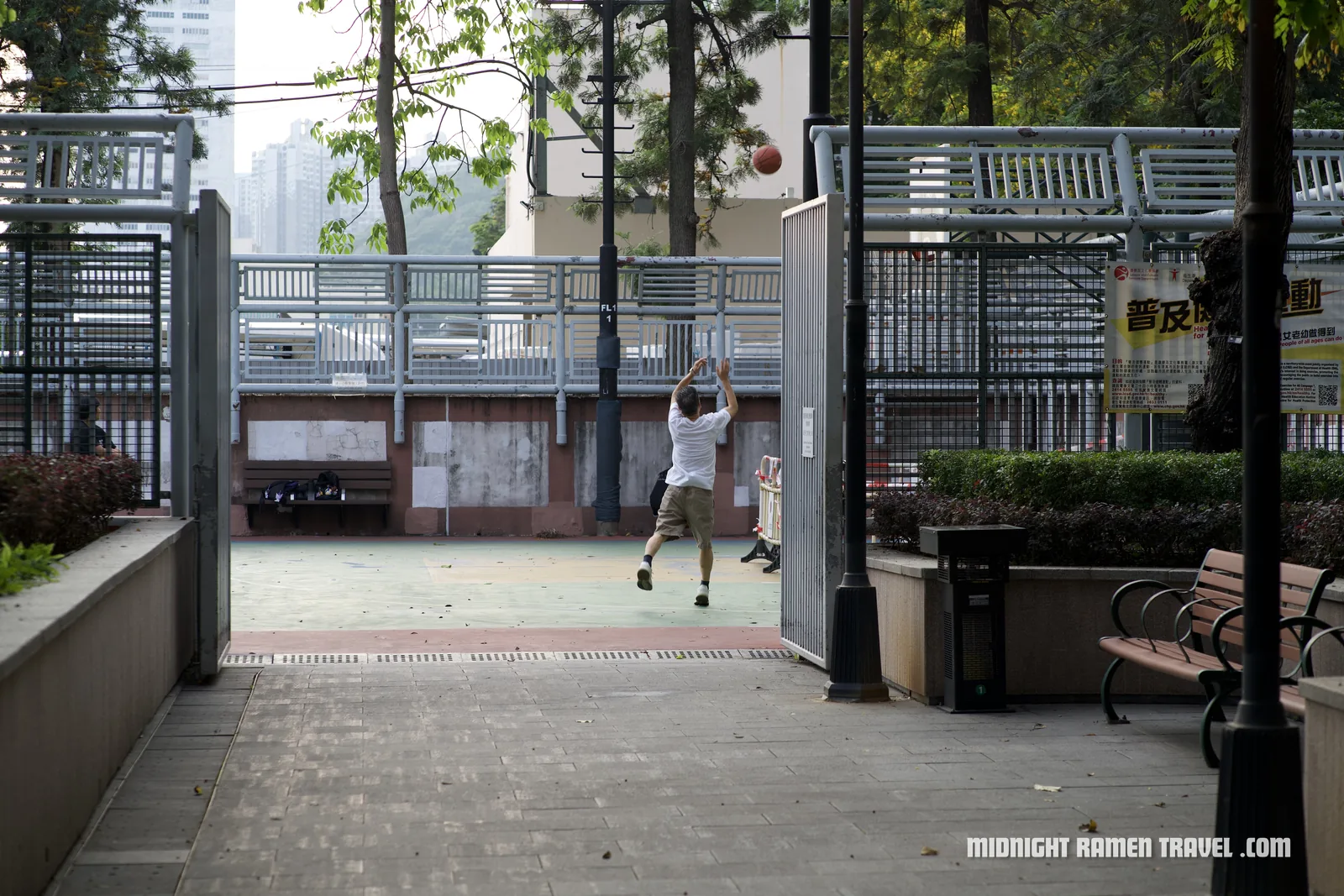
Down south is also where you will find Ocean Park, near Wong Chuk Hang, as well as the start / end point for the famous Dragon’s Back hike near Shek O, which is one of Hong Kong’s best-known hikes.
If you have more than a few days in Hong Kong, I think the south side is well worth seeing. I probably would not prioritise it on a very short first trip, but if you have already done the main Central / Kowloon / harbour stuff, it is a great way to see a more coastal side of the city.
- Getting there: For Aberdeen / Wong Chuk Hang / Ocean Park, the easiest option is usually the MTR South Island Line. For Stanley, Repulse Bay and Shek O, you will usually need to connect by bus or taxi.
- Cost: Free to wander, unless you visit Ocean Park or pay for specific activities.
- Time needed: Half a day to a full day, depending how many spots you want to include.
16. Visit Cheung Chau, Lamma, or One of Hong Kong's Smaller Outlying Islands
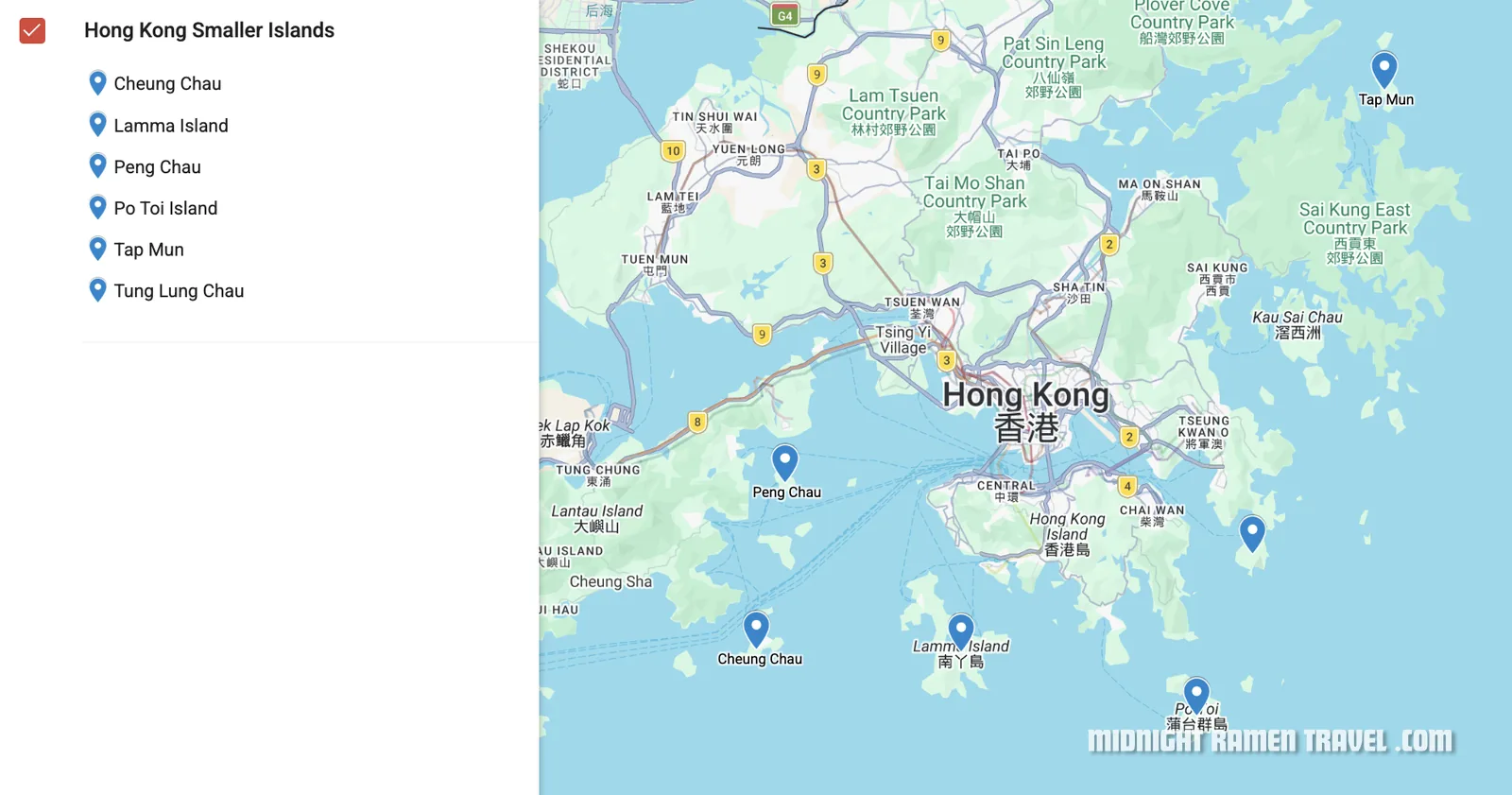
This is a reminder that Hong Kong has a bunch of smaller islands too, not just Hong Kong Island, Kowloon and Lantau. If you want a break from the intensity of the city, visiting one of the smaller outlying islands can be a really good half-day or full-day option.
Cheung Chau is one of the most popular ones, and probably the easiest place to start. It is known for its seafood, local snacks, small harbour, beaches and easy walking paths. Ferries leave from Central Pier 5 and take roughly 35 to 60 minutes, depending on whether you take the fast or ordinary ferry.
Other popular options include:
- Lamma Island: for laid-back island vibes, seafood and easy coastal walks.
- Peng Chau: for a quieter, smaller-scale island feel.
- Po Toi or Sharp Island: better if you are more into nature and unusual coastal scenery.
If you want to browse the different island options, the Discover Hong Kong Island Hopping Guide is a useful starting point.
- Getting there: Most outlying island ferries leave from the Central Piers. Cheung Chau ferries leave from Central Pier 5.
- Cost: Ferry cost depends on the island and whether you take the fast or ordinary ferry.
- Time needed: At least half a day, but ideally a full day if you want to properly slow down.
If you only pick one, Cheung Chau is probably the best all-round choice for a first-time visitor.
17. Take a Boat Cruise
Of course, no Hong Kong things-to-do list would be complete without a boat cruise, and the obvious one is Aqua Luna, the famous red-sail junk boat you’ll see cruising around Victoria Harbour at night. If you are anywhere near the Tsim Sha Tsui waterfront in the evening, there will be no shortage of promoters selling these harbour cruises, or alternatively you can book in advance here.
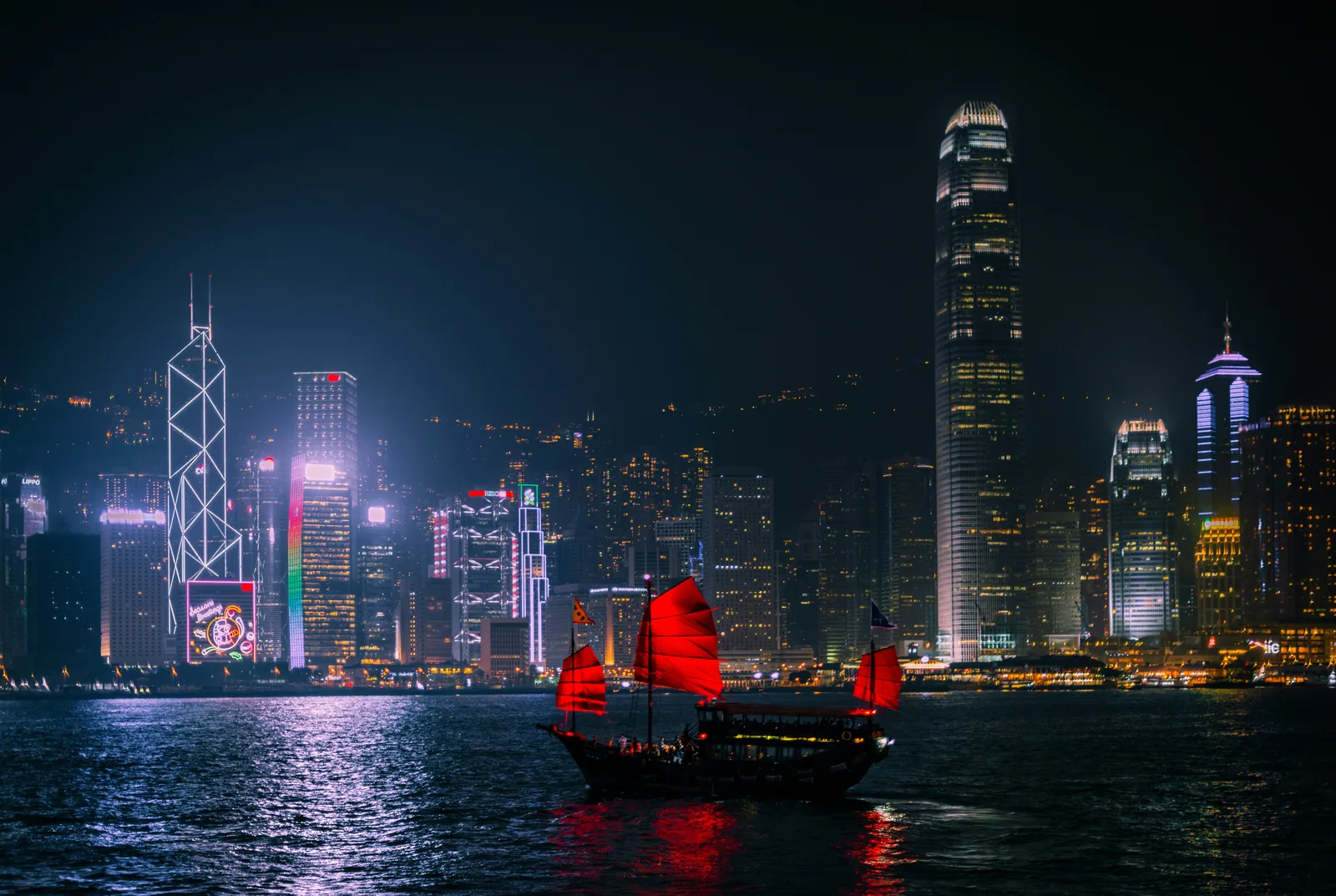
Now, I never get tired of being out on Victoria Harbour, that said, seeing as you will probably already be taking the Star Ferry between Tsim Sha Tsui and Hong Kong Island, you will get a great harbour ride for just a few dollars anyway. I’d probably save the boat cruise for something a bit different, like a small boat tour around Aberdeen Fishing Village.
The Aberdeen Fishing Village Boat Tour + Floating Museum + Boat Noodles is a good option if you are planning on exploring the south side of Hong Kong Island, which I recommend. Aberdeen has more of an old-school working harbour feel, with fishing boats, seafood markets, and a very different atmosphere from Central or Tsim Sha Tsui.
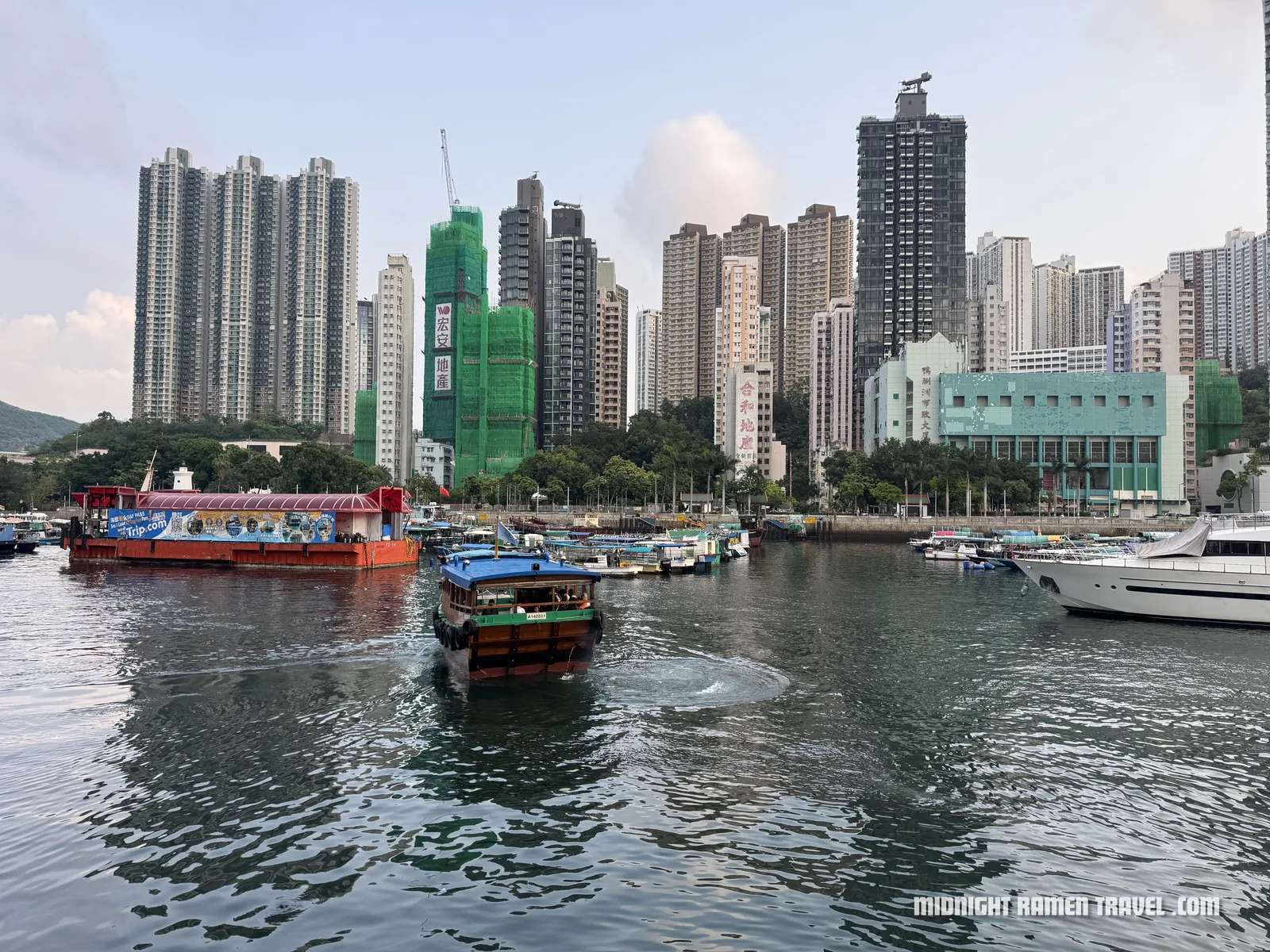
- Getting there: Aqua Luna usually departs from Tsim Sha Tsui or Central. For the Aberdeen boat cruise, it usually departs from Aberdeen Fisherman’s Wharf Pier 6, but check your booking confirmation carefully. To get there, take the MTR South Island Line to Wong Chuk Hang or Lei Tung, then connect by bus, taxi, or walk depending on the exact meeting point.
- Cost: Can vary greatly depending on which option you choose, but I’d say expect to pay around US$20-40.
- Time needed: Usually around 1-2 hours for the boat ride itself.
→ Click HERE to check Aqua Luna cruise times and prices
→ Click HERE to check current prices and book the Aberdeen Fishing Village boat tour
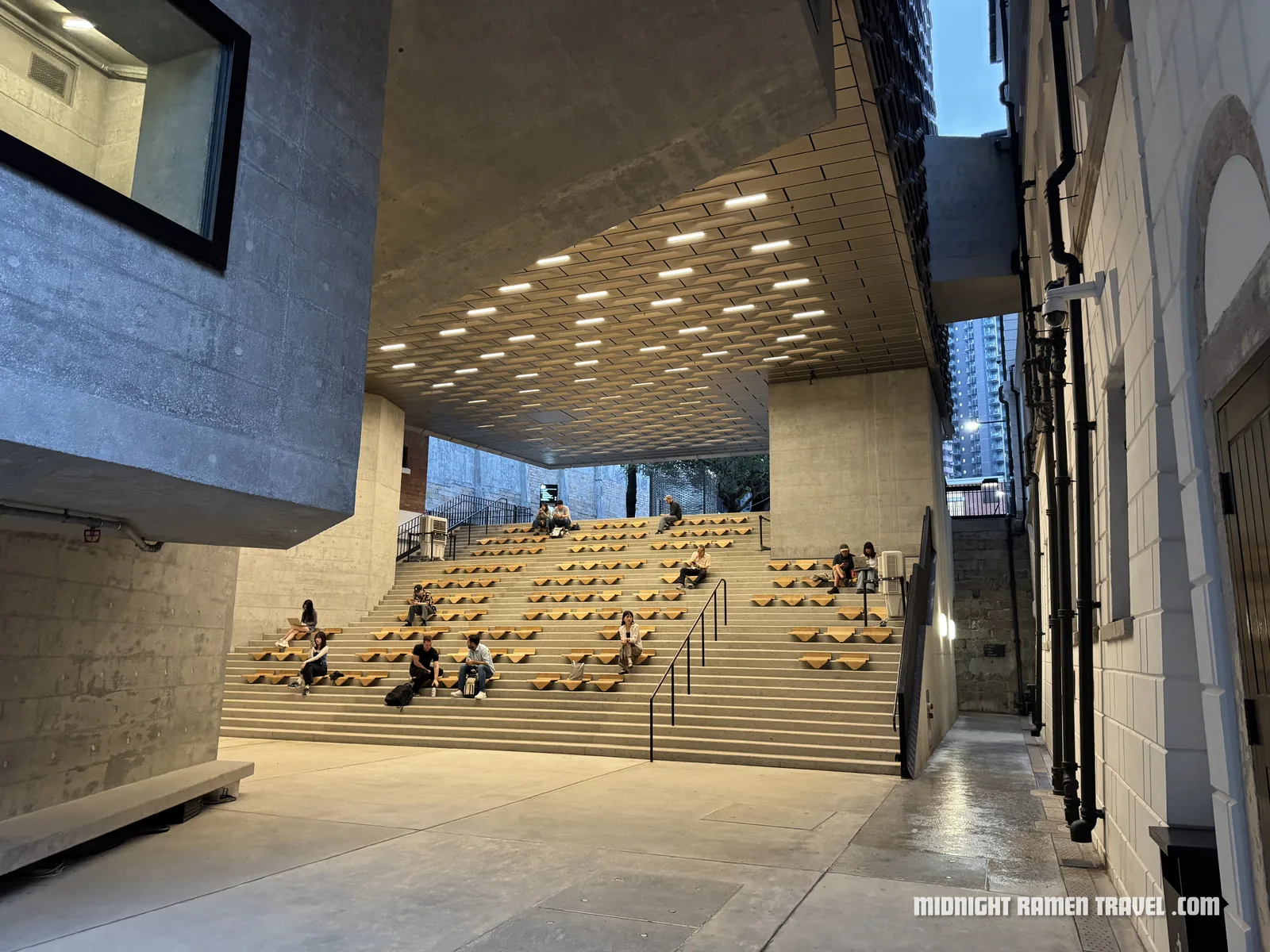
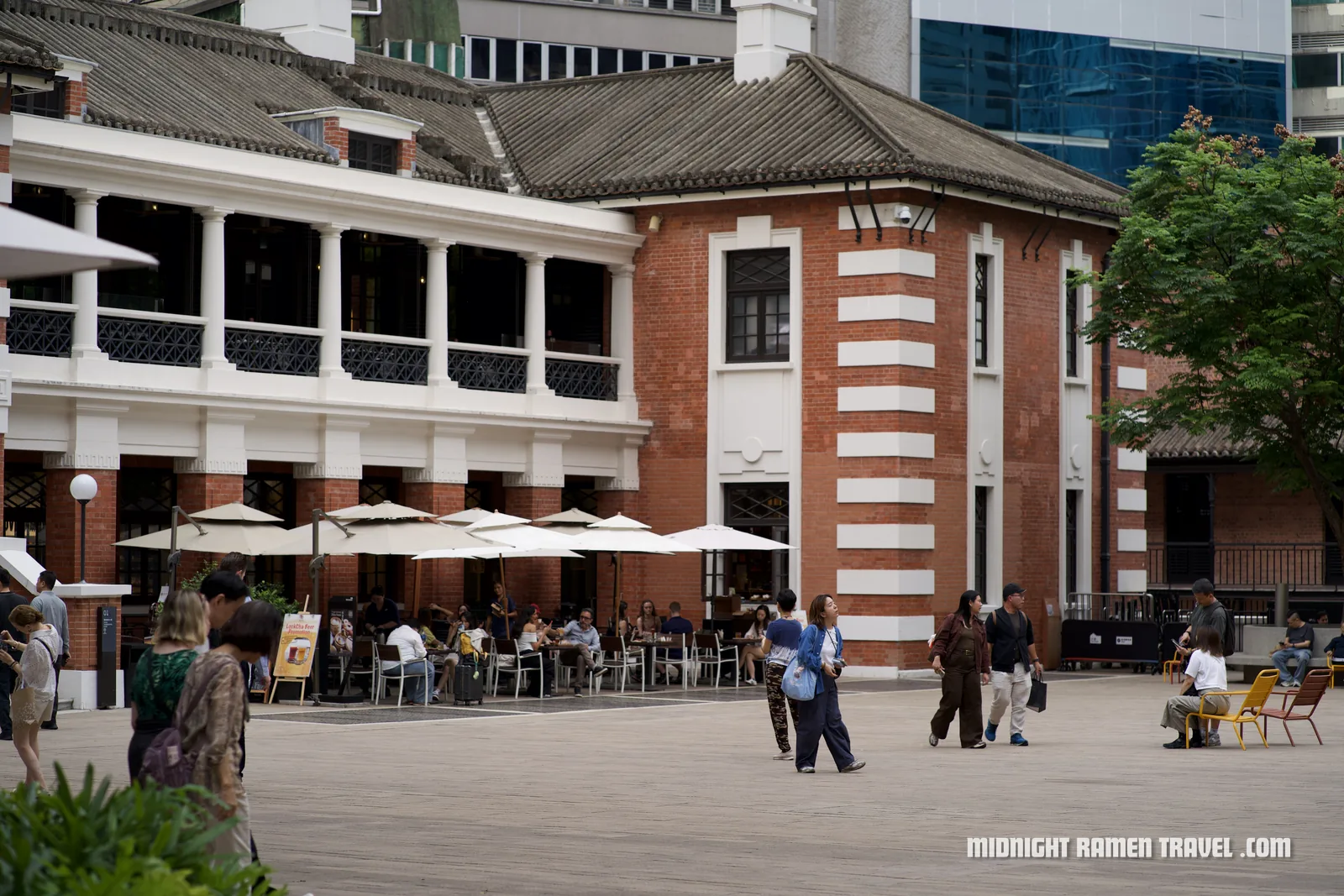
18. Visit Tai Kwun Heritage and Arts Complex
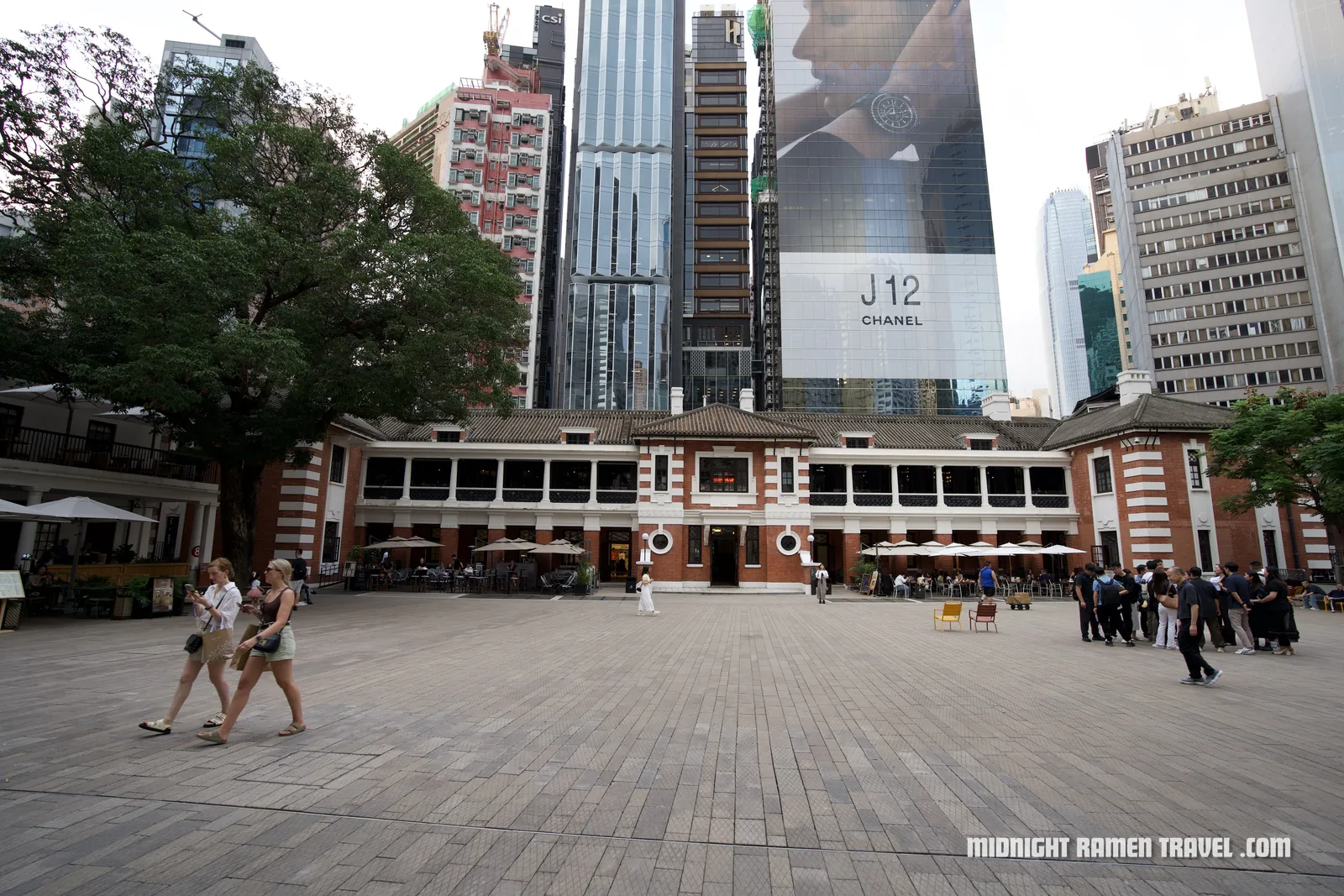
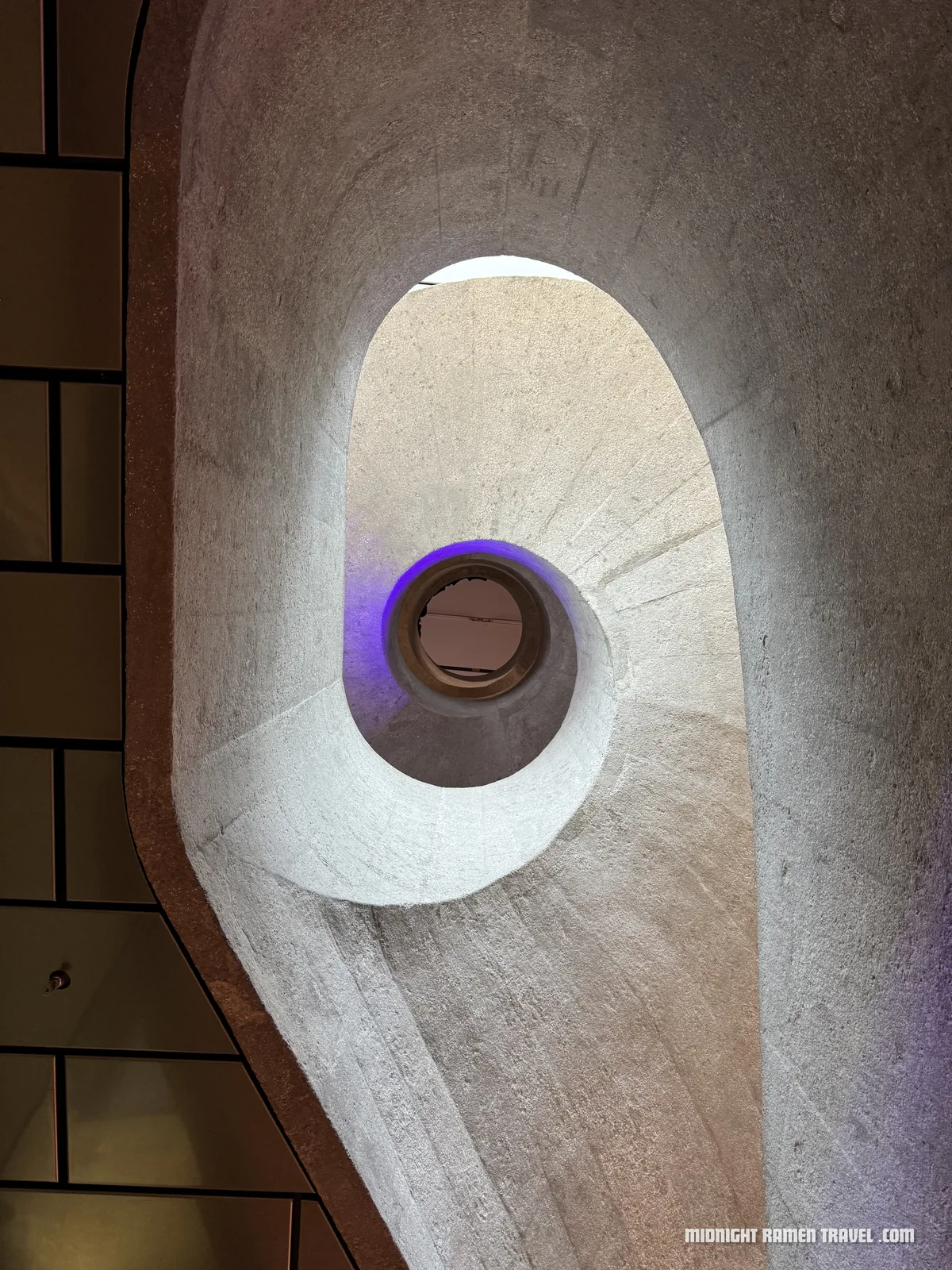
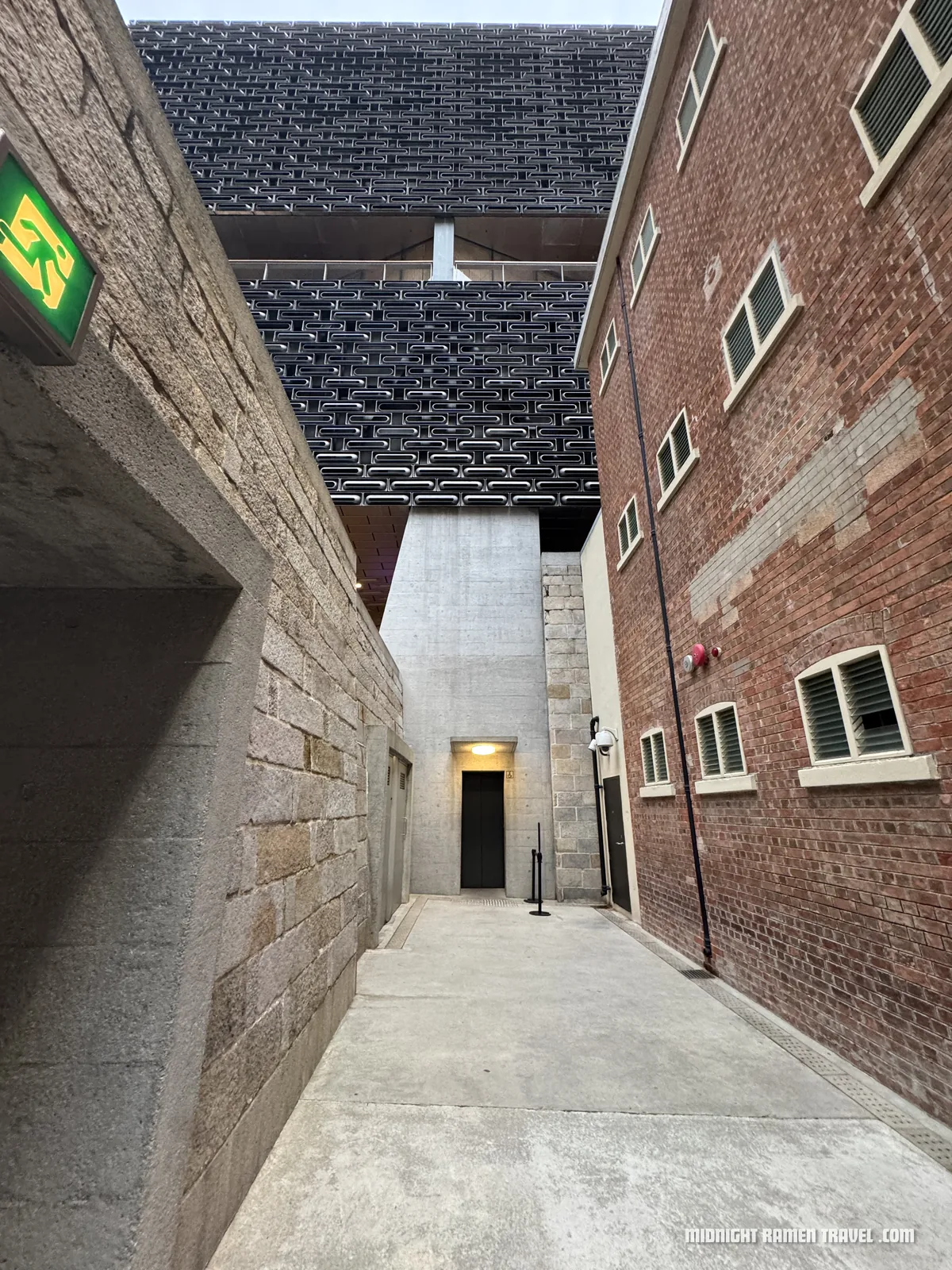
Tai Kwun is one of my favourite places to wander around in Central, as it offers one of Hong Kong’s best blends of history, architecture and contemporary culture. It sits right on the edge of SoHo and is set within the beautifully restored former Central Police Station Compound, so it has a really cool mix of old Hong Kong history and more modern artsy / design energy.
The complex is actually made up of a number of buildings, including the old prison, magistracy and other restored historic buildings, along with contemporary art and performance spaces. A lot of it is free, which makes it an easy one to add into your day.
You can wander through much of the site, step into parts of the old prison area, and hang around in the big central courtyard, which used to be the parade ground and is now one of the nicest open spaces in the complex.
It is also very easy to combine with PMQ, Hollywood Road, Man Mo Temple, SoHo and the Central-Mid-Levels Escalators, so it fits really naturally into a Central / Sheung Wan walking day.
- Getting there: Take the MTR to Central and walk up, or use the Central-Mid-Levels Escalators if you are already in the area.
- Cost: Mostly free to wander, although some exhibitions, performances or events may require tickets.
- Time needed: Around 45-60 minutes for a casual visit, longer if you stop for exhibitions, cafés or events.
Official site: taikwun.hk
19. Visit PMQ Creative Hub
As just mentioned, a short walk from Tai Kwun is PMQ, the former Police Married Quarters, which has now been turned into a creative hub with design studios, small shops, exhibitions, cafés and pop-ups.
It is not a must-do for everyone, but if you like art, design, stationery, ceramics, small local brands, or just that kind of creative atmosphere, it is a good one to add in, especially given how centrally located it is.
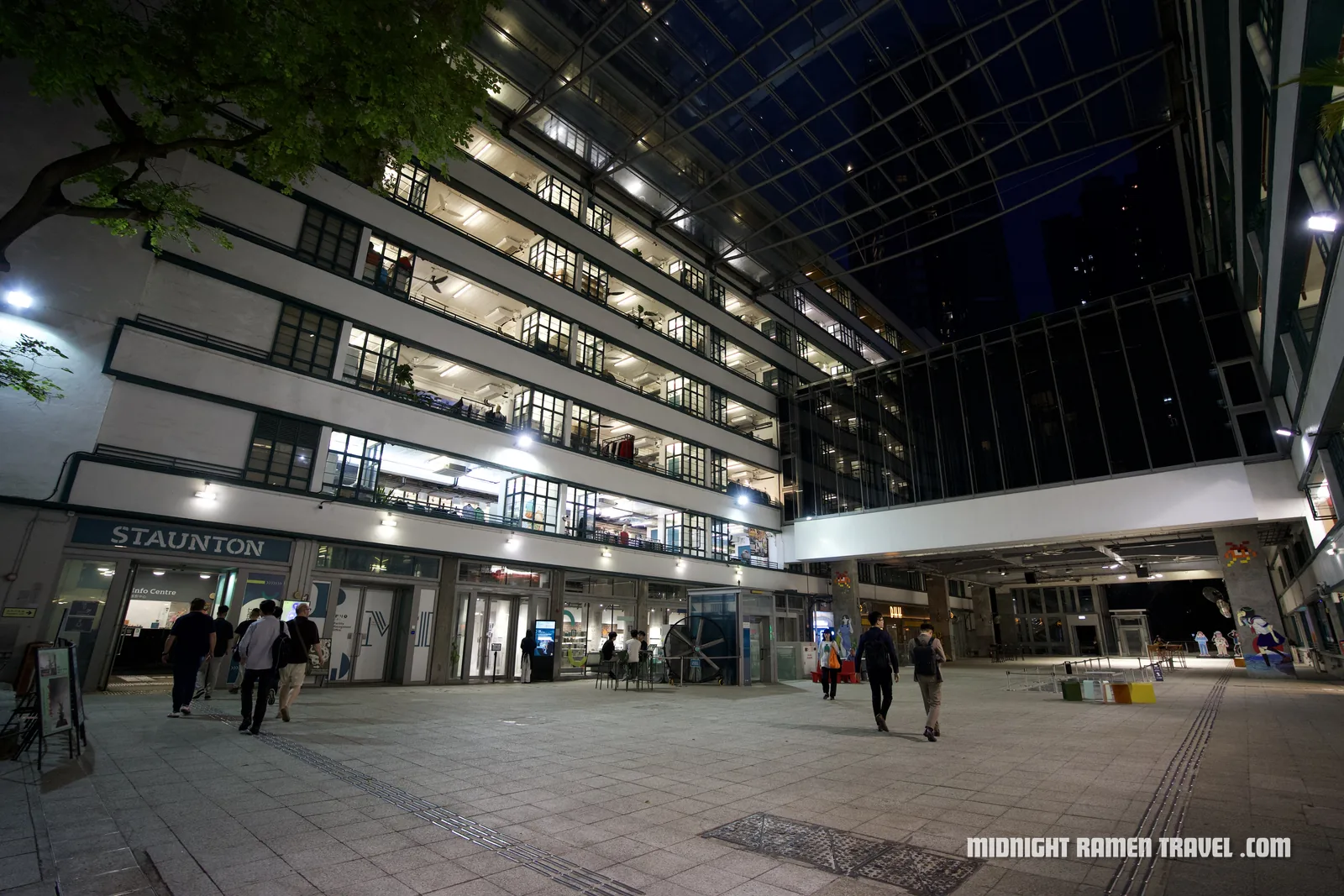
I would probably not go massively out of my way just for PMQ, but if you are already exploring Tai Kwun, Hollywood Road, SoHo or Man Mo Temple, it is definitely worth popping in.
- Getting there: PMQ is in Central / Sheung Wan, a short walk from Tai Kwun, Hollywood Road and the Central-Mid-Levels Escalators.
- Cost: Free to enter, although obviously shops, cafés and events cost extra.
- Time needed: Around 20-45 minutes, depending how much you like browsing small shops and design studios.
- Official site: pmq.org.hk
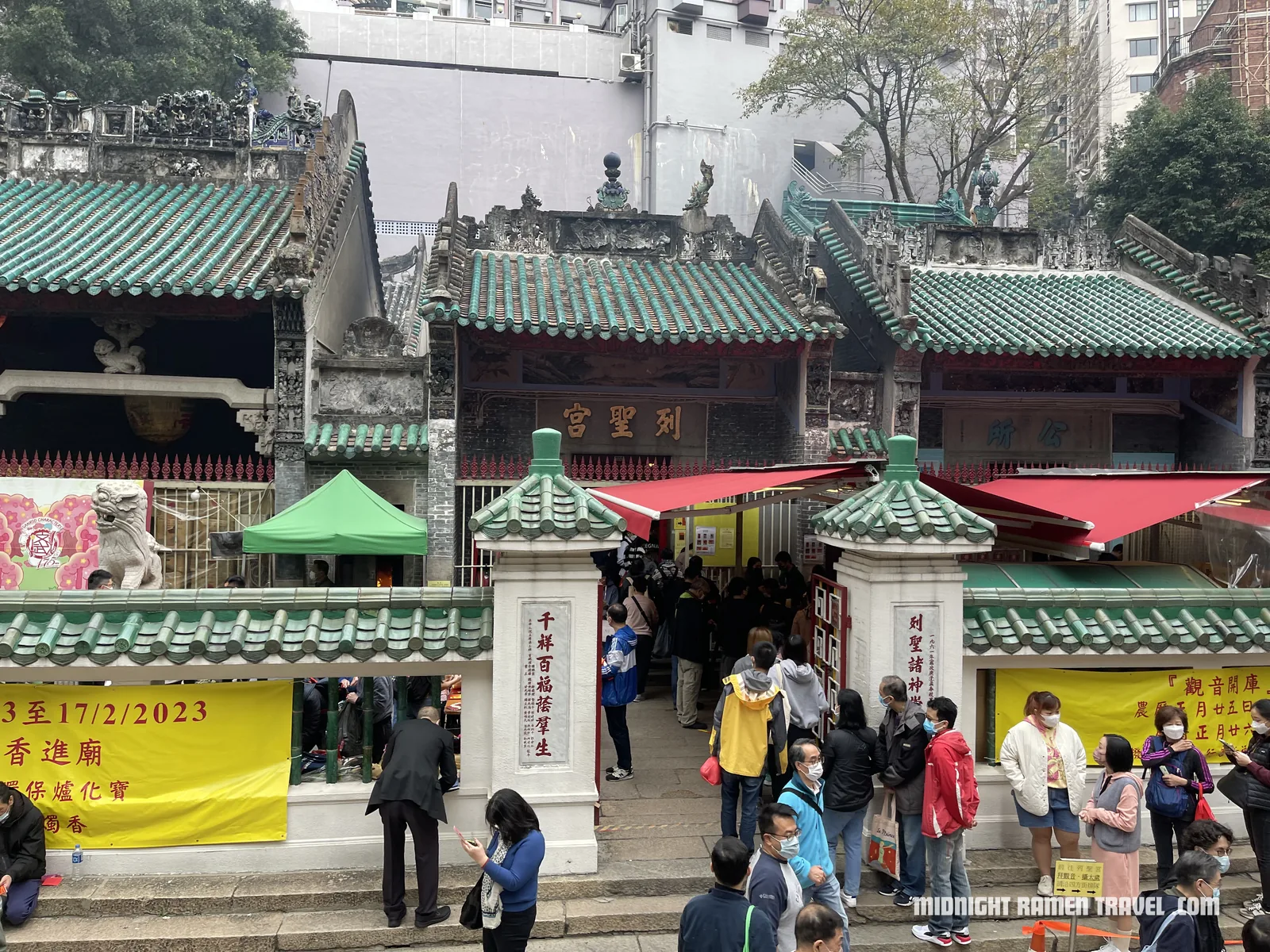
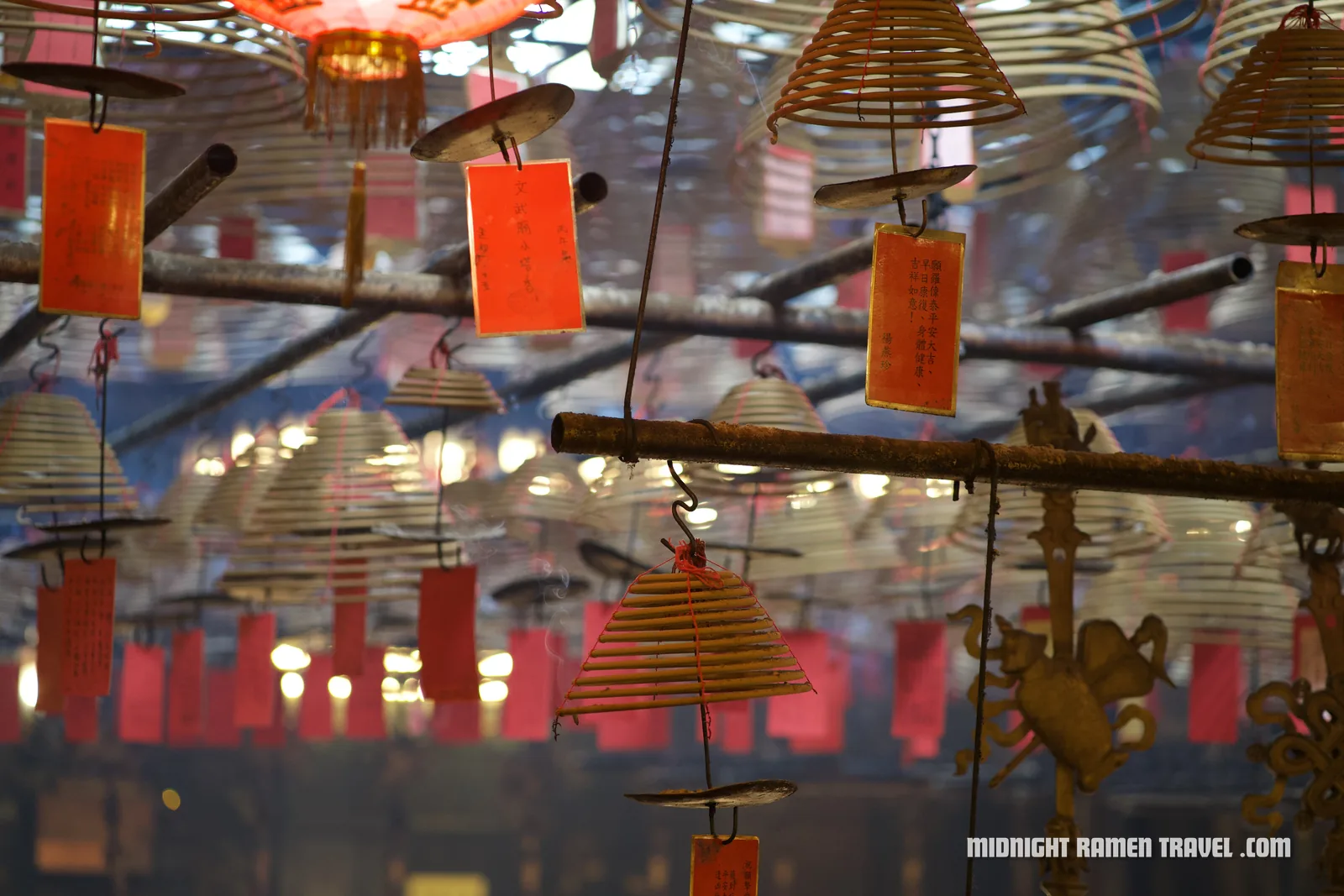
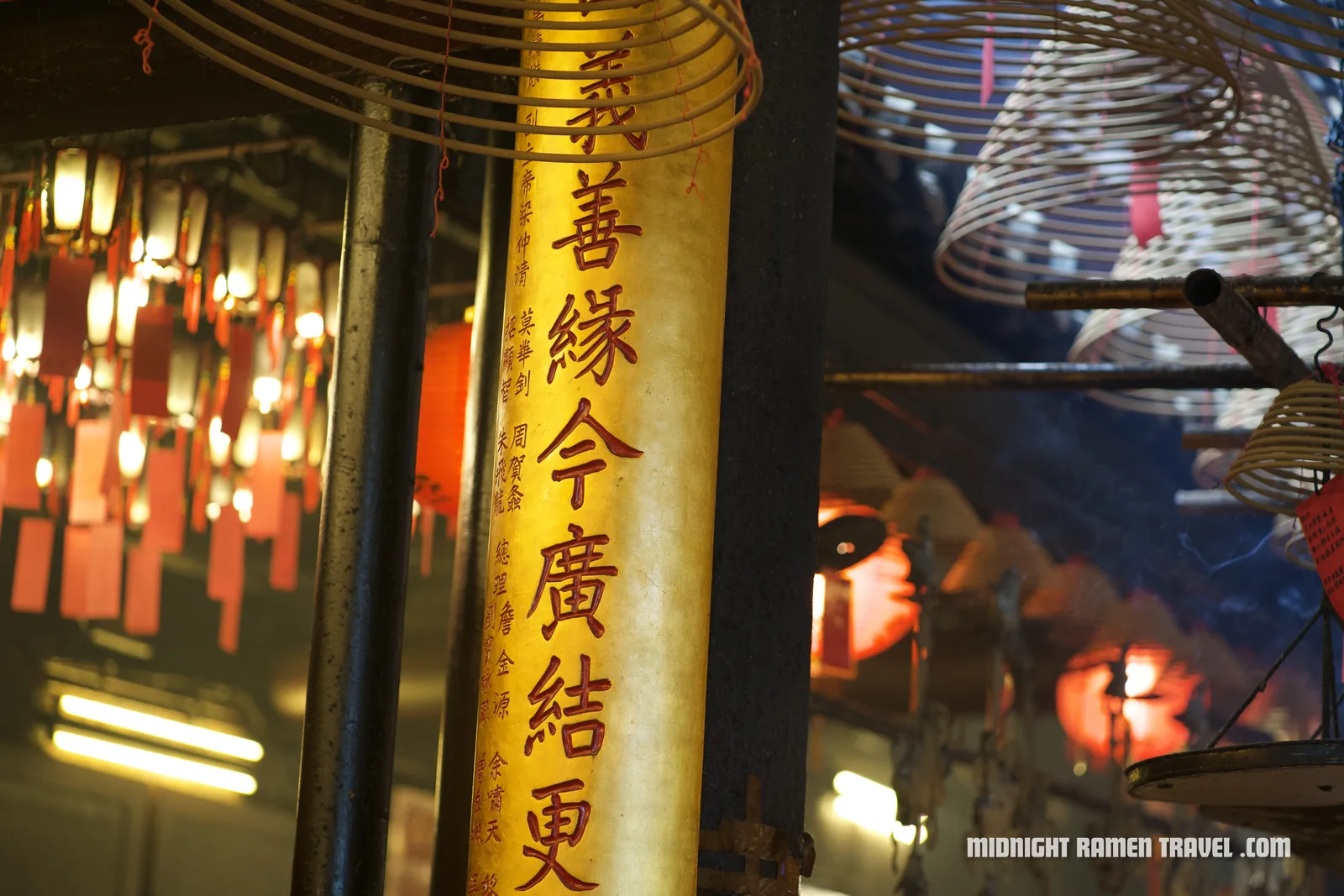
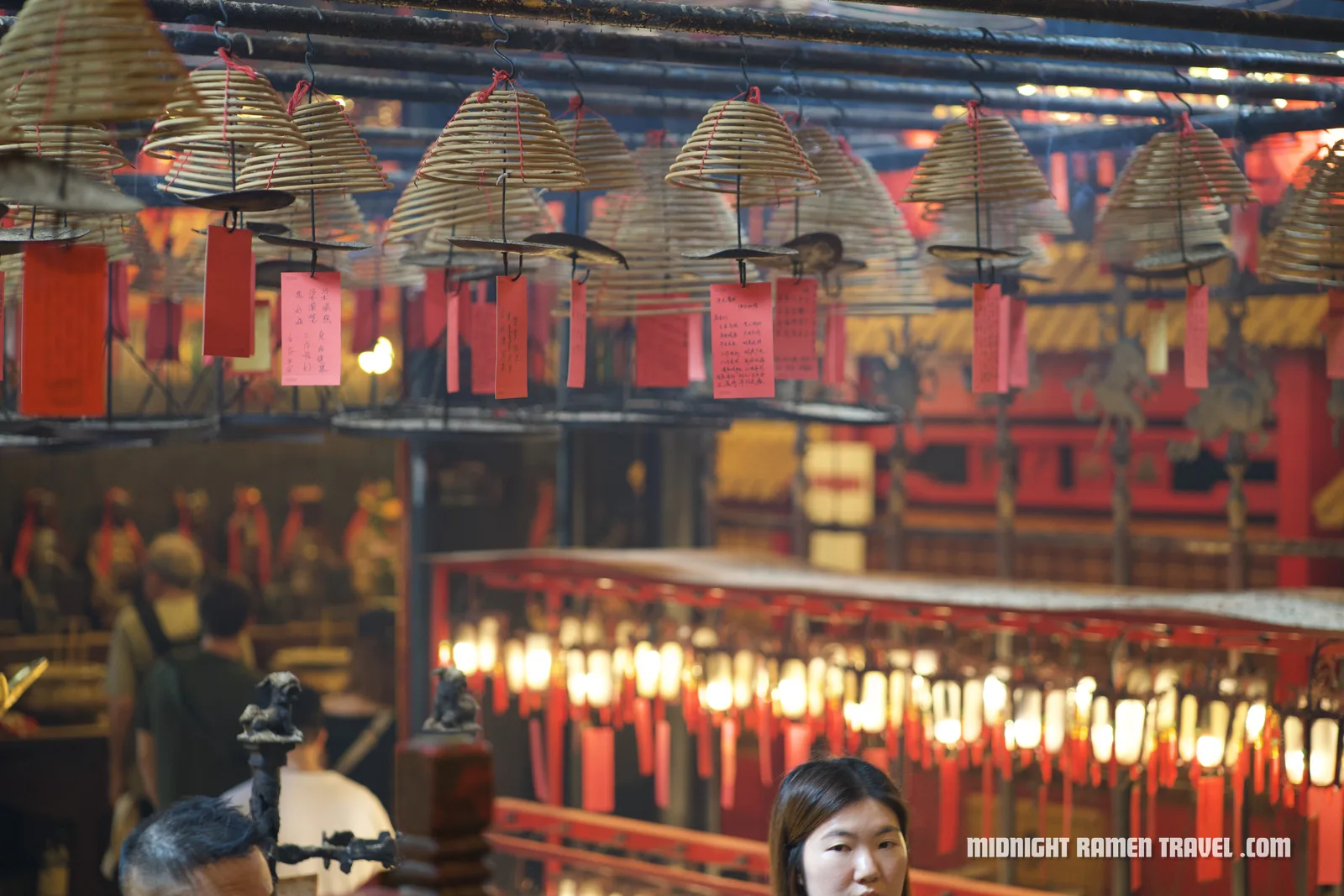
20. Visit Man Mo Temple
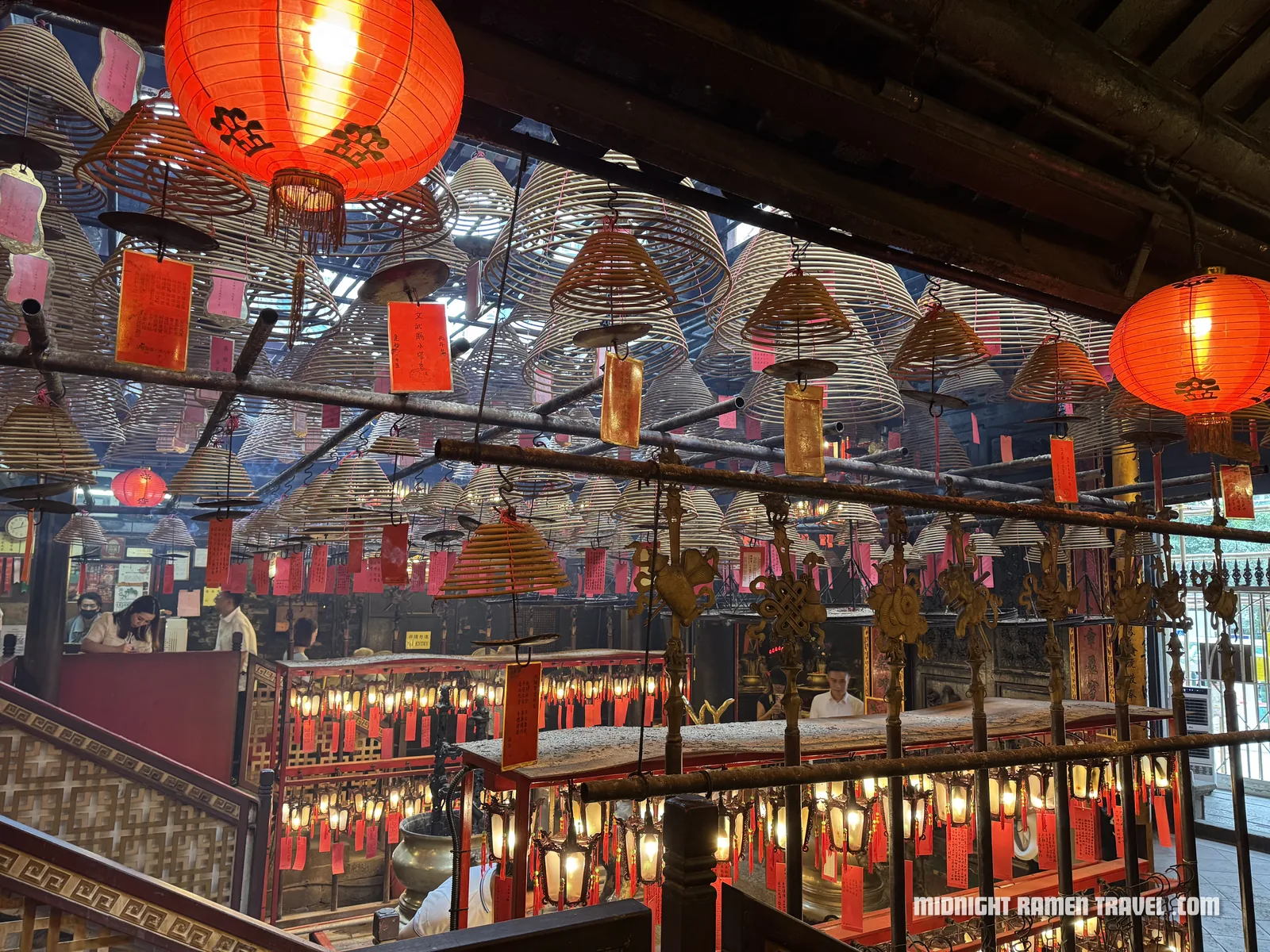
Built in 1847, Man Mo Temple is one of Hong Kong’s best-known temples, and one where generations of Hong Kongers have come to honour ancestors and pray through incense.
It is pretty awesome seeing it sitting there among the dense streets and skyscrapers of Sheung Wan. For me, it is not quite an essential, but it is definitely worth popping in for a quick look if you are already nearby, especially if you are walking around Hollywood Road, Tai Kwun, PMQ or Sheung Wan.
- Getting there: Man Mo Temple is on Hollywood Road in Sheung Wan. It is easy to combine with Tai Kwun, PMQ, Hollywood Road and the Central-Mid-Levels Escalators.
- Cost: Free to enter.
- Time needed: 10 minutes.

21. Visit One of Hong Kong's Museums
If you like museums, Hong Kong has some good ones. I wouldn’t make them the focus of a first trip, because the city itself is the best part, but they’re a solid option when you want some history, art and culture (or just a bit of air-conditioning 😊).
The main ones worth knowing:
- Hong Kong Museum of Art, Tsim Sha Tsui. Right on the harbourfront, and general admission to the main displays is usually free.
- M+, West Kowloon. The big one for contemporary visual culture and the standout museum in the city. Not free, but it’s huge and the building itself is a statement. Pair it with the neighbouring Art Park, a rare big open lawn with another knockout harbour view.
- Hong Kong Palace Museum, West Kowloon. Chinese art, culture and artefacts, right next to M+, so the two slot together in one visit.
- Hong Kong Museum of History, Tsim Sha Tsui. The pick if you want to actually understand the place. Check which exhibitions are open before you go.
- Hong Kong Maritime Museum, Central. Shipping, trade and ports. Good if that’s your thing.
- Space Museum and Science Museum, both Tsim Sha Tsui. The Science Museum is the interactive, good-with-kids one. The Space Museum is worth a look if you’re a bit of a space nerd.
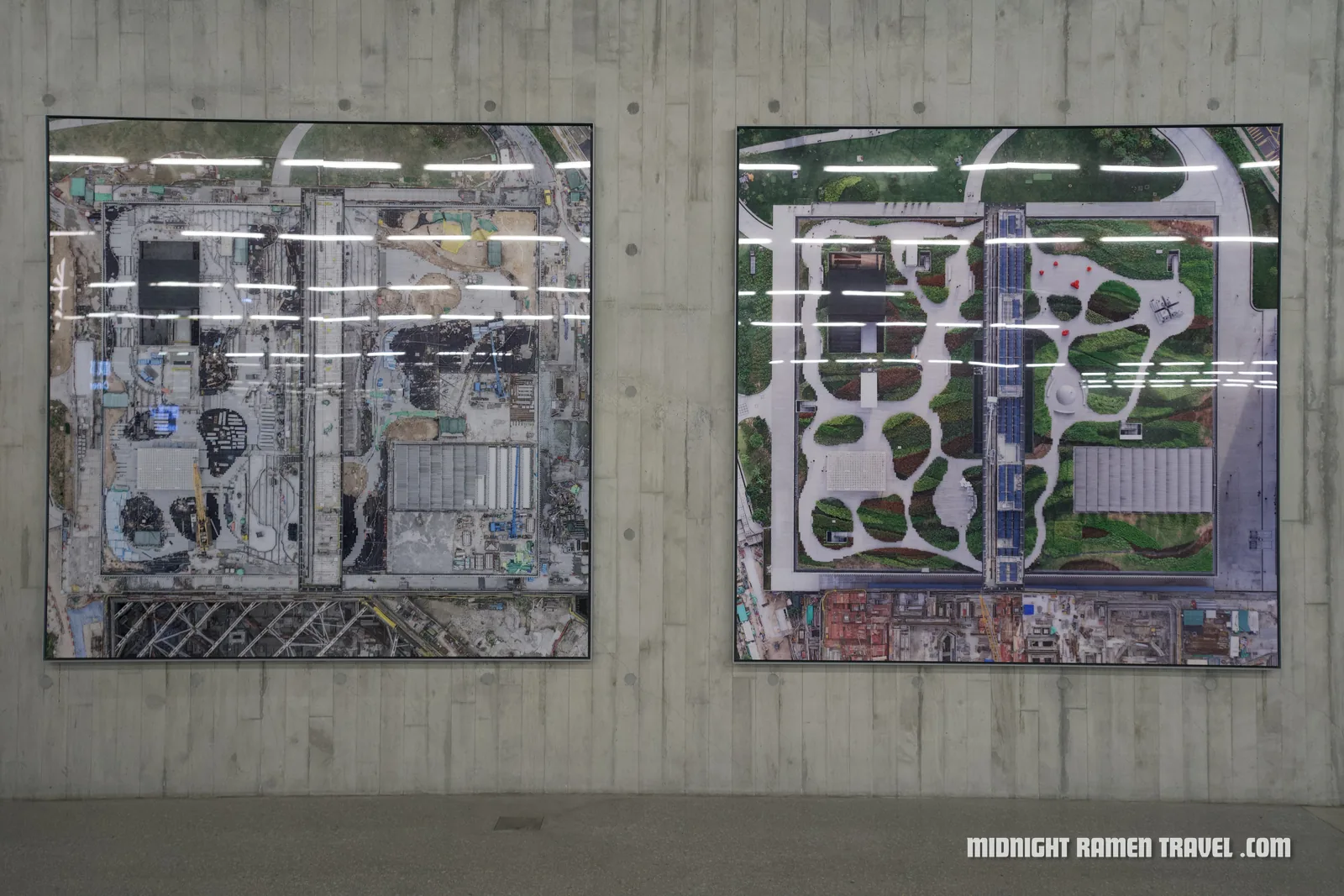
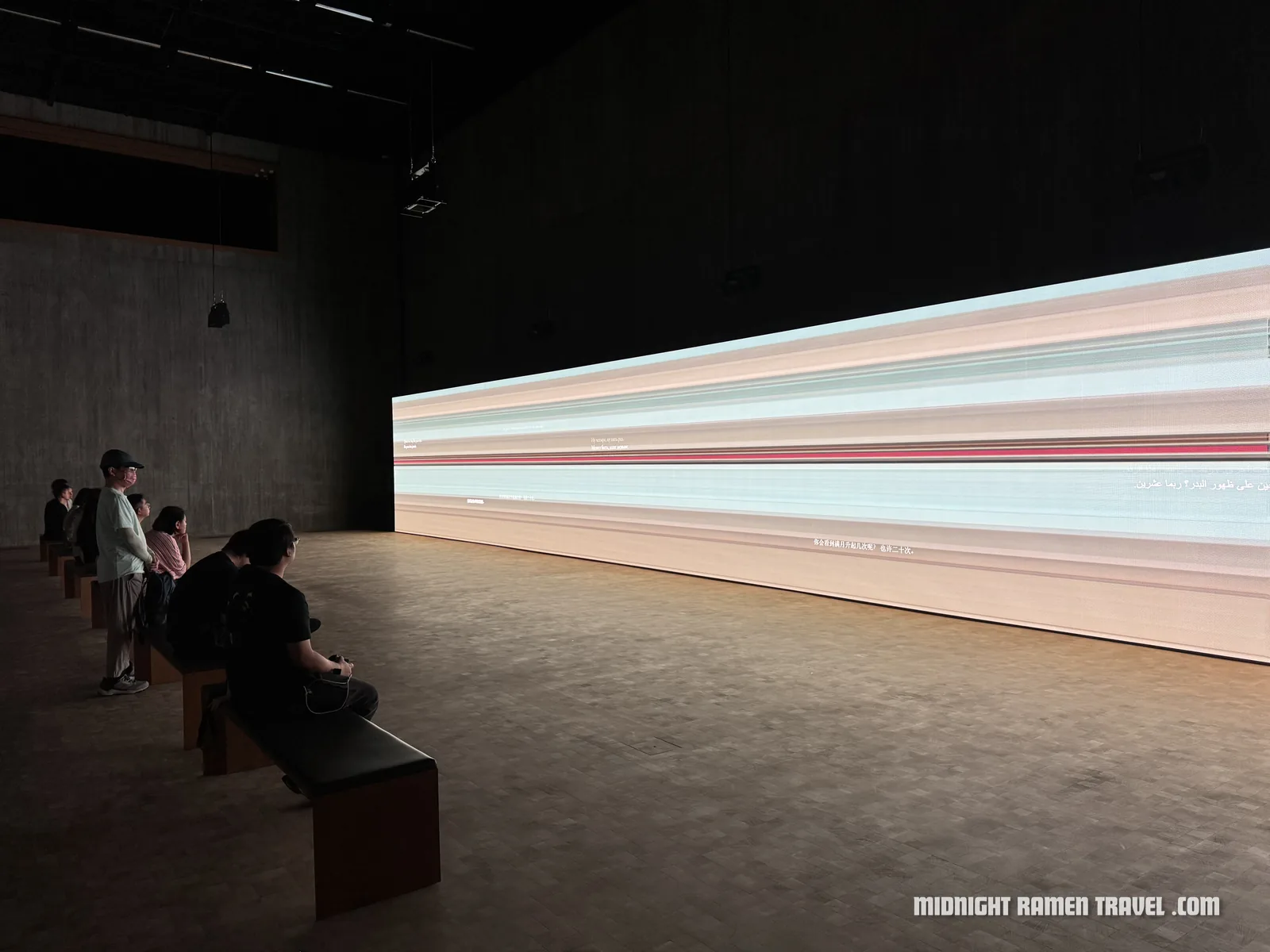
If I had to point you at one, make it M+. It’s genuinely world-class and the building alone is worth the trip, with great harbour views from the terrace. The catch is it’s all contemporary visual culture, so how much you love it depends on whether that’s your type of thing. Do it as a West Kowloon loop with the Palace Museum, the Art Park and the harbourfront and you’ve got a great half day regardless. If you’d rather something free and central, the Museum of Art weaves easily into the rest of your day.
But to honest, museums aren’t at the top of my own Hong Kong list. After seeing a lot of them around the world it’s tough to be blown away once (especially after you’ve done the London ones), so it takes a fair bit to get me excited. But I love learning about the history and culture of a place, and Hong Kong’s history is genuinely fascinating, so that side of it pulls me in. The contemporary stuff, the gallery of boxes stacked on boxes, mostly goes over my head. M+ is a brilliant museum and plenty of people will rate it their highlight. So go if it’s your thing, and if it’s not, the city outside is doing plenty already.
- Getting there: For M+ and the Hong Kong Palace Museum, head to West Kowloon. For the Hong Kong Museum of Art, Space Museum, Museum of History and Science Museum, base yourself around Tsim Sha Tsui / East Tsim Sha Tsui.
- Cost: Depends on the museum. Some have free general admission, while others require tickets.
- Time needed: 1-3 hours, depending on the museum. West Kowloon can easily become a half-day if you combine museums, the park and the harbourfront.
→ Click HERE to check current M+ Museum ticket prices
→ Click HERE to check current Hong Kong Palace Museum ticket prices
22. Visit Nan Lian Garden and Chi Lin Nunnery
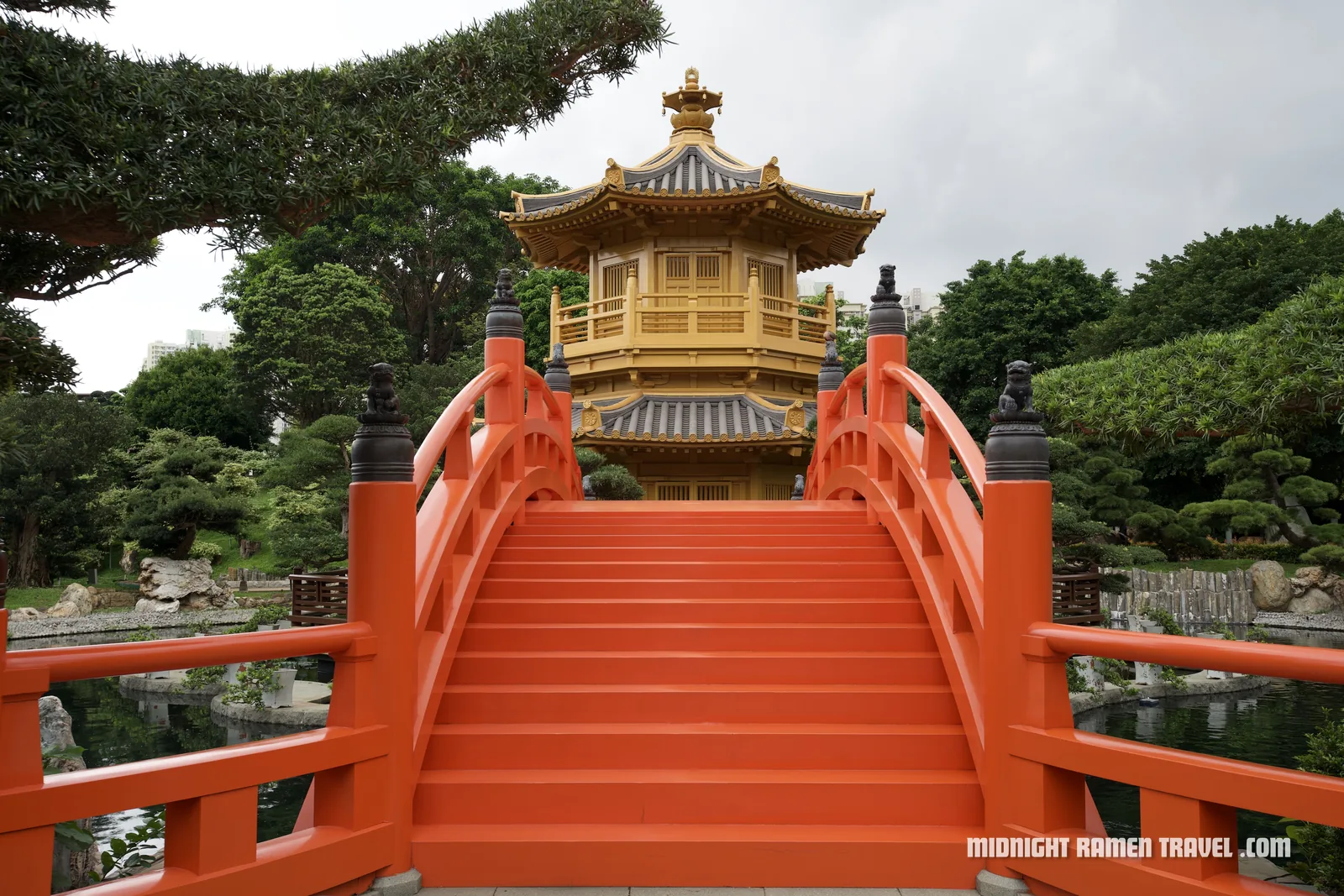
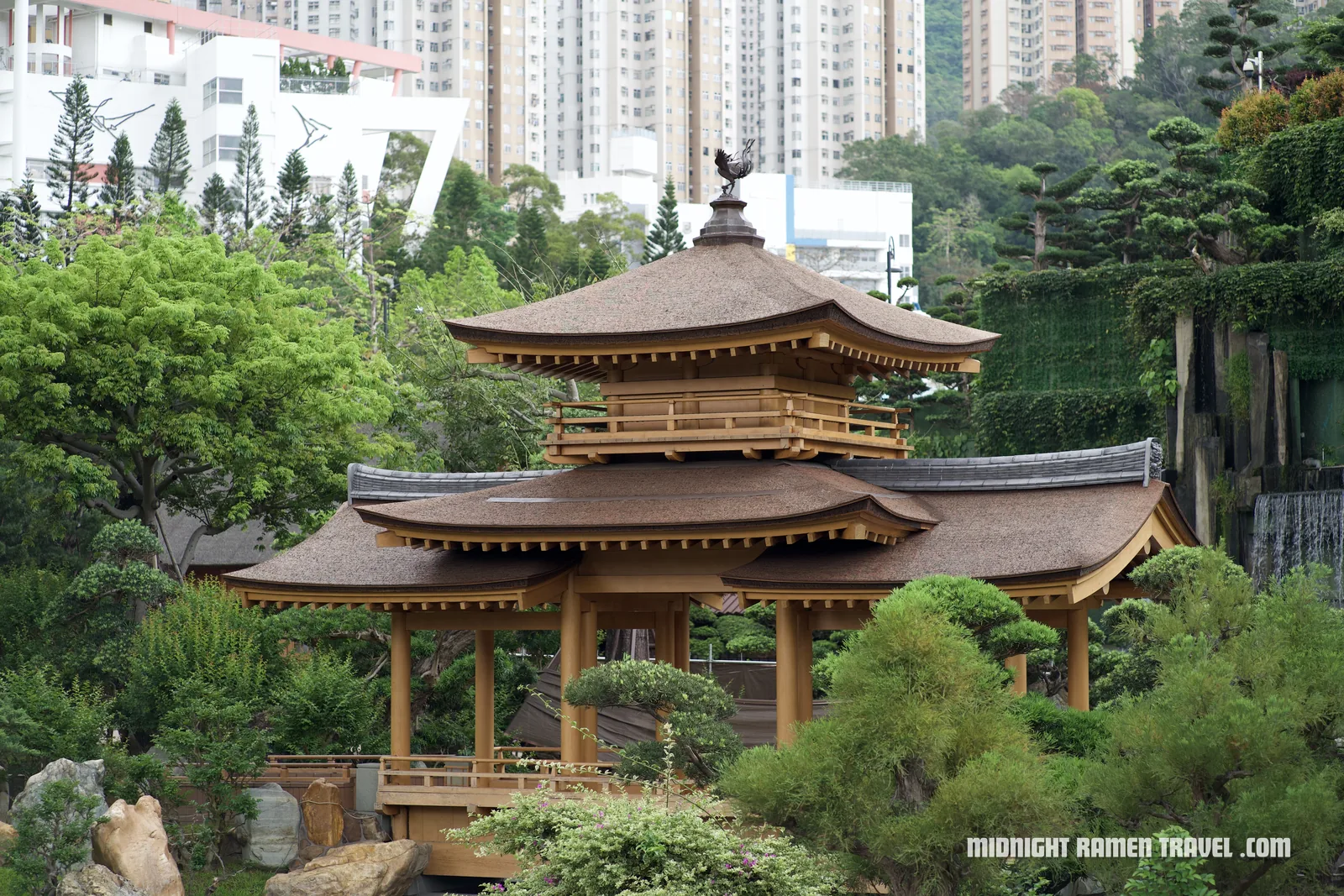
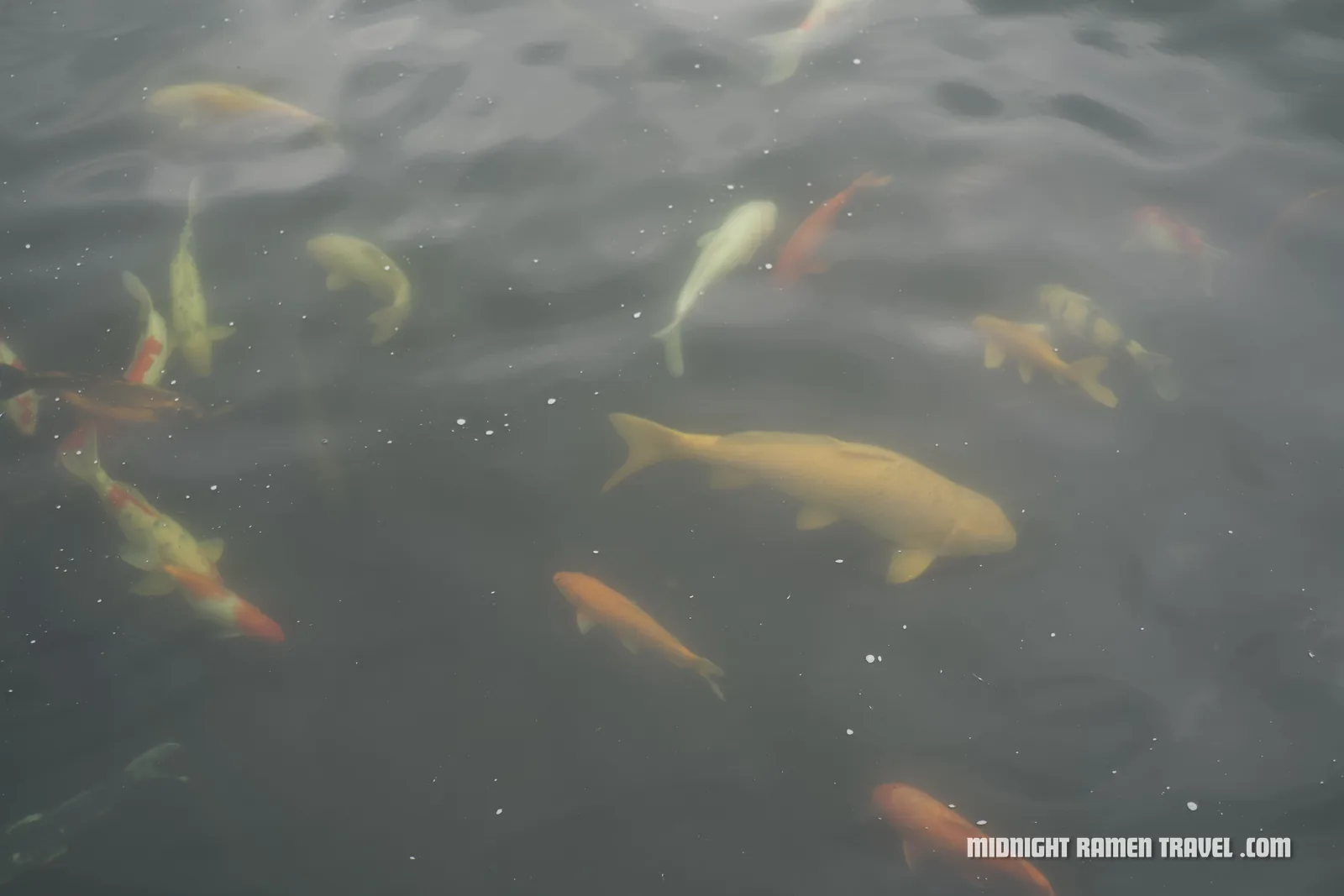
If you like beautiful style gardens, Nan Lian Garden is definitely worth visiting. Just note, it is a bit further out in Diamond Hill, on the north-eastern side of Kowloon.
That said, it is a really beautiful and peaceful spot, with classical Chinese garden design, ponds, rock formations and traditional-style buildings. It feels very different from the usual Hong Kong city energy, which is exactly why some people will love it.
It is also right next to Chi Lin Nunnery, so you can easily combine the two in one visit. I would not put this at the very top of a first-time Hong Kong itinerary, but if you have a few days and want somewhere calm and scenic, it is a very good change of pace.

- Getting there: Take the MTR to Diamond Hill Station.
- Hours: Nan Lian Garden is usually open daily from around 7:00am to 9:00pm.
- Cost: Free.
- Time needed: Around 45-90 minutes, depending how slowly you wander and whether you also visit Chi Lin Nunnery.
23. Visit Kowloon Walled City ParkLearn About the Kowloon Walled City's Fascinating History
Kowloon Walled City Park is one of those places where, honestly, I think the history is more interesting than the park itself.
The site was once home to the Kowloon Walled City, a dense, chaotic, almost lawless settlement that became one of the most crowded places on earth. It started as a Qing-era military outpost, but over time turned into something completely different. By the late 20th century, it had become famous for its maze-like buildings, overcrowded conditions and wild reputation.
The whole area was eventually cleared, and the park that stands there now opened in 1995. Today, it is a peaceful public park with some historic displays, a bronze scale model of the former Walled City, and the permanent “A City of Thousand Faces” exhibition, which gives you a better idea of what life inside it was like.
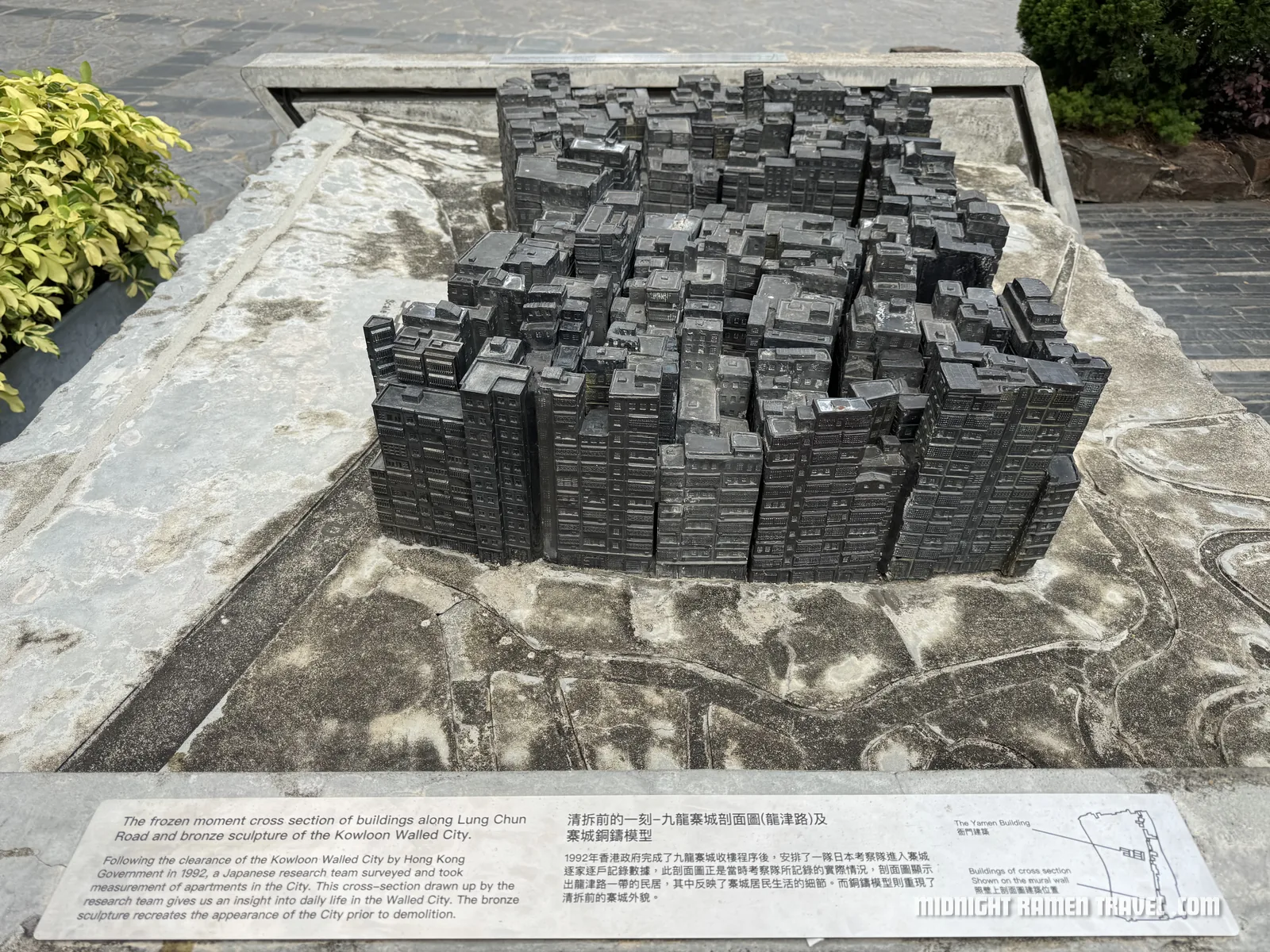
For me, the park itself isn’t a “must-do”, but the story behind it is genuinely fascinating. So I would mainly recommend it if you are interested in Hong Kong history, urban density, architecture, or strange city stories. If you are just after a beautiful park, I would probably choose Nan Lian Garden or Kowloon Park instead.

- Getting there: Take the MTR to Sung Wong Toi or Lok Fu, then walk or connect by bus depending on your route.
- Cost: Free.
- Time needed: Around 30 minutes.
24. Walk Hollywood Road
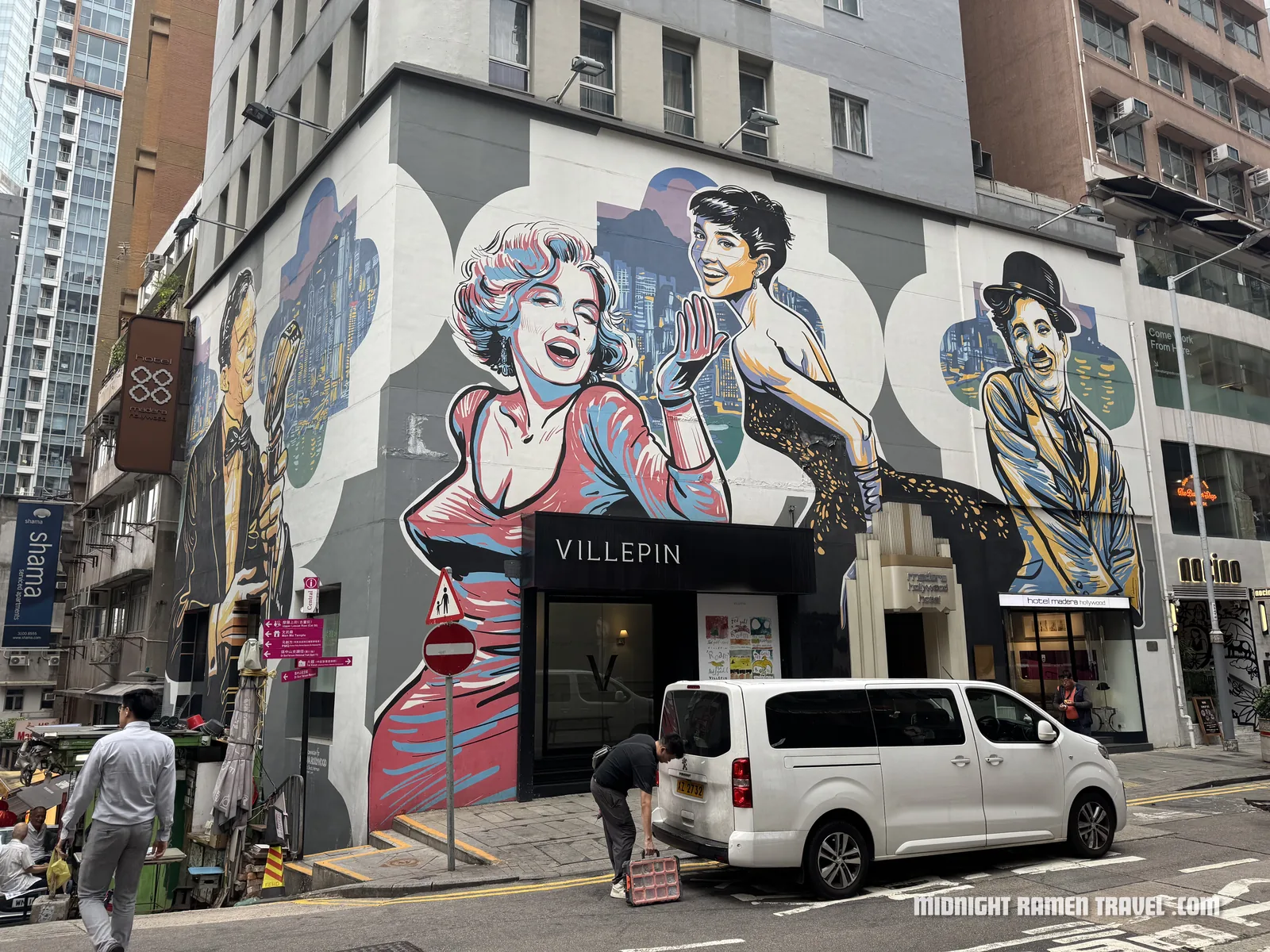
Hollywood Road is a roughly 1km stretch between Central and Sheung Wan, and one of Hong Kong’s coolest and most character-filled streets. If you visit Hong Kong and check out the main attractions around Central / Sheung Wan, you will almost certainly end up on this road at some point, as it gives you easy access to a lot of them, including:
- Central-Mid-Levels Escalators
- Tai Kwun and PMQ
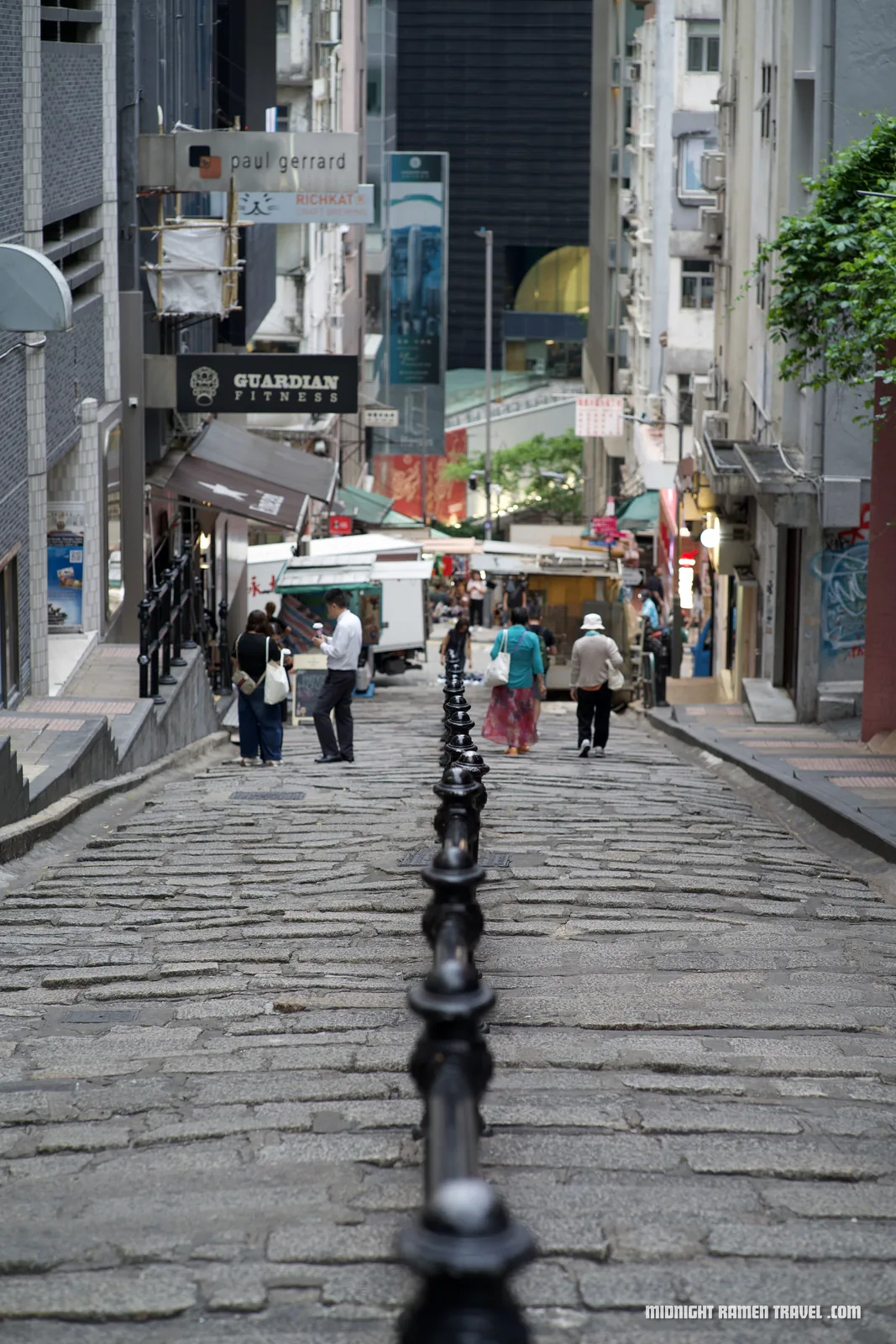
- Pottinger Street, the steep stone slab street
- murals around Hollywood Road and Graham Street
- Man Mo Temple
It is also known for its art galleries and antique stores, if you are treasure hunting and have the budget.
I’ve also filmed a walk along Hollywood Road, which gives you a better feel for the street and how it links up the main Central and Sheung Wan sights.
- Getting there: Hollywood Road runs between Central and Sheung Wan. You can combine it with the Mid-Levels Escalators, Tai Kwun, PMQ, Man Mo Temple and Ladder Street.
- Time needed: Around 30-60 minutes, depending how much you stop along the way.
25. Walk the Steep Steps Around Central
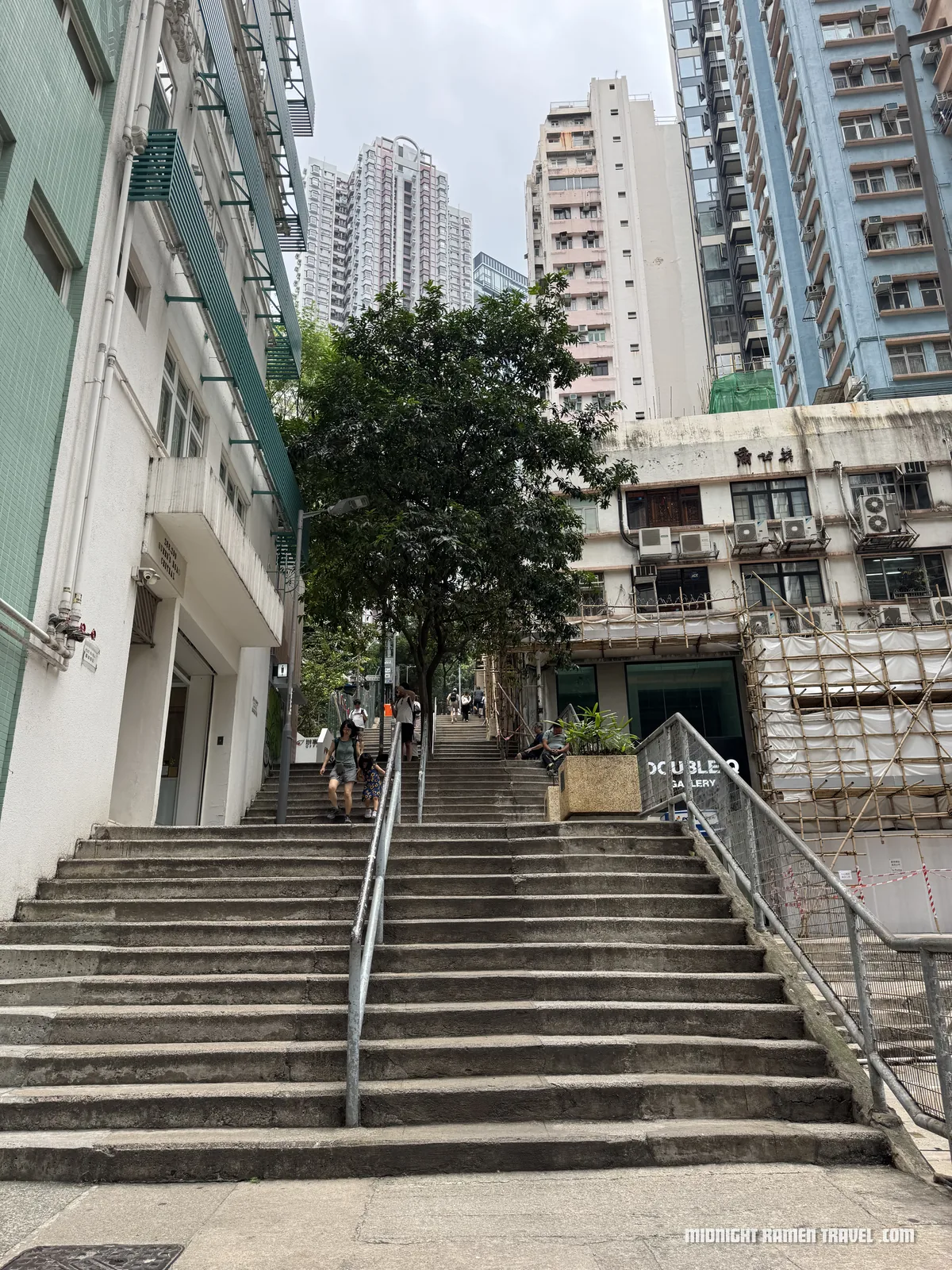
If you feel like getting a glute workout in while you’re in Hong Kong, then skip the Mid-Levels Escalators and walk up one of the many steep step streets around Central, they often have market stalls you can check out along the way.
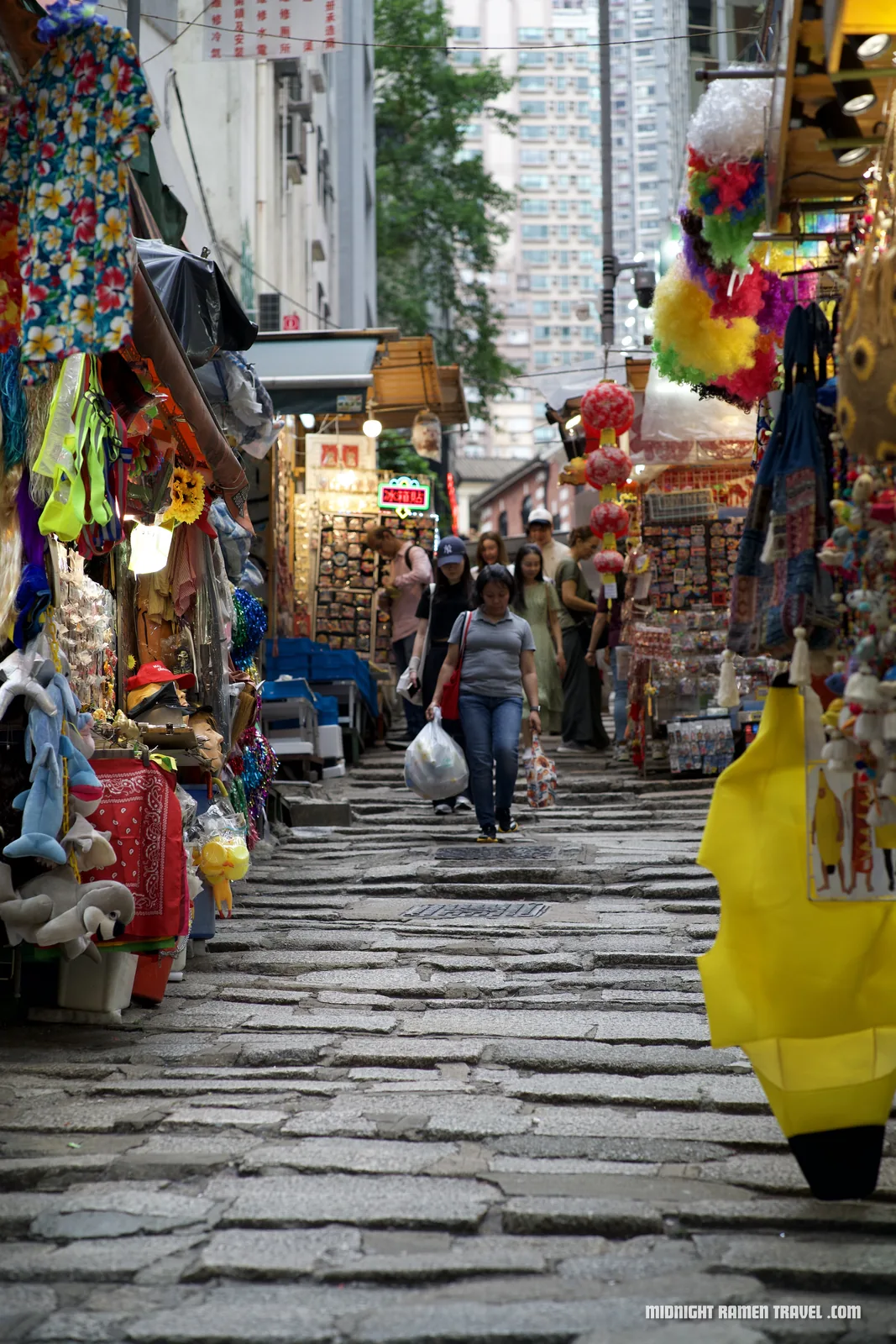
One of the most popular step streets is Ladder Street. Ladder Street starts near Queen’s Road, it is a bit over 300 steps, so you will probably feel it the next day. Part of the fun is not just the stairs themselves, but the little bits of street life, stalls and old Hong Kong character you pass along the way.
It is not something I would go massively out of my way for by itself, but if you are already walking around Hollywood Road, Man Mo Temple, Tai Kwun, PMQ or Sheung Wan, it is an easy one to add in.
- Getting there: Ladder Street is in the Sheung Wan / Central area, close to Hollywood Road and Man Mo Temple.
- Time needed: 10-20 minutes, unless you stop for photos or need a breather halfway up.
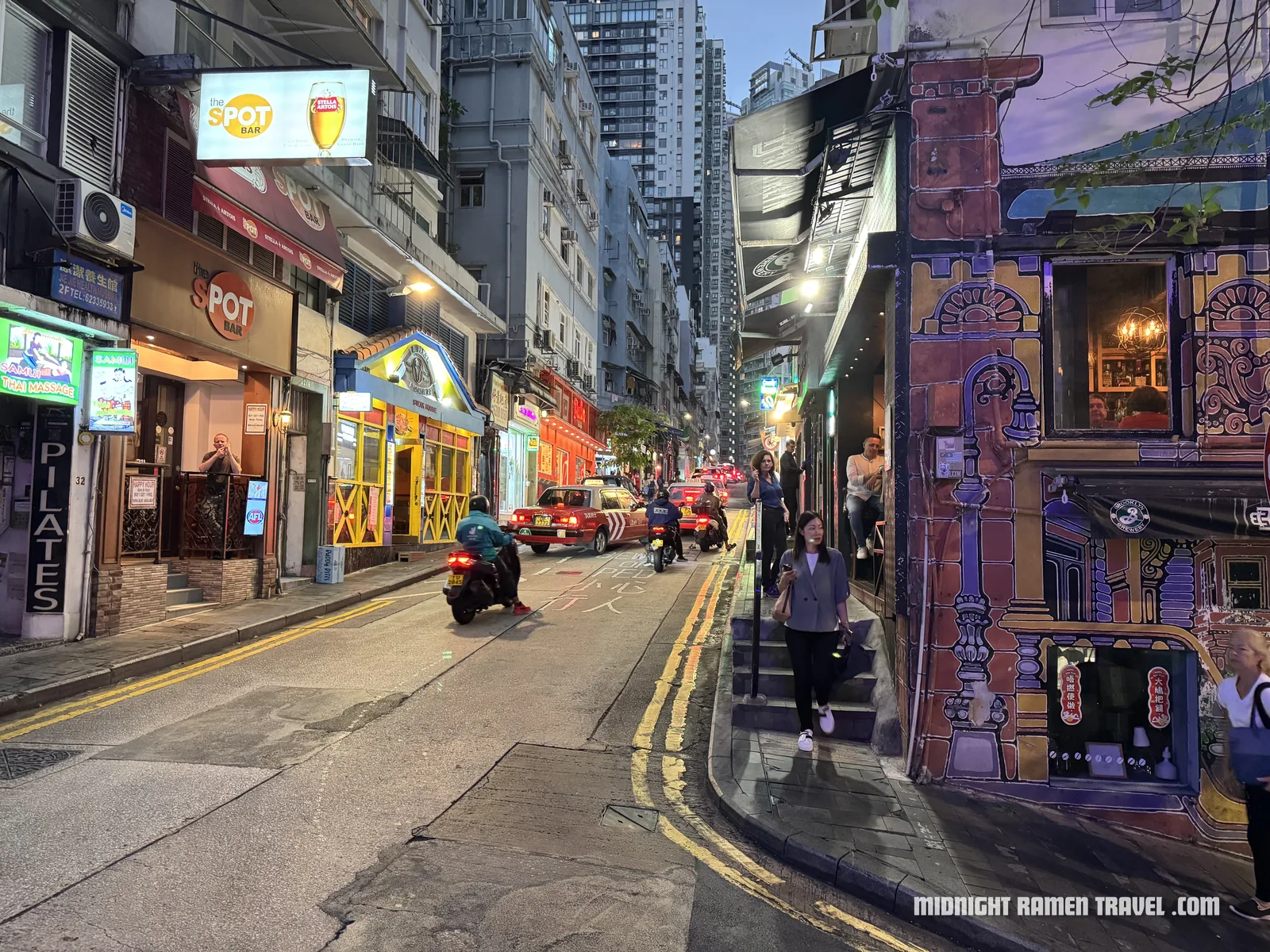
26. Check out SoHo & Lan Kwai Fong at NightHong Kong's Famous Nightlife Area
SoHo (which I learnt stands for South of Hollywood Road), is one of my favourite little pockets of Central to just wander into. It is a hilly maze of narrow streets packed with restaurants, bars and cafés, a lot of them running right off the Mid-Levels Escalator, so you can ride up and hop off wherever something looks good. It has a more international feel than a lot of Hong Kong, and works just as well for a daytime coffee as it does for a drink at night.
Lan Kwai Fong is Hong Kong’s most famous (or maybe infamous?) nightlife area. It is packed most nights of the week with a mix of locals, expats, visitors, students and after-work crowds, and there are loads of bars and clubs with different music and different vibes depending on where you go.
It is definitely one of those places you should experience, even if only just to see what the atmosphere is like. I am not a big partier, but I still find it fun to check out. Depending on the night, it can be fun, messy, lively, or a bit all over the place, which is kinda why it’s fun.
For the ladies, some bars still do ladies’ night deals during the week, often on Wednesdays, but I would definitely check specific venues before going rather than just assuming everywhere does it.
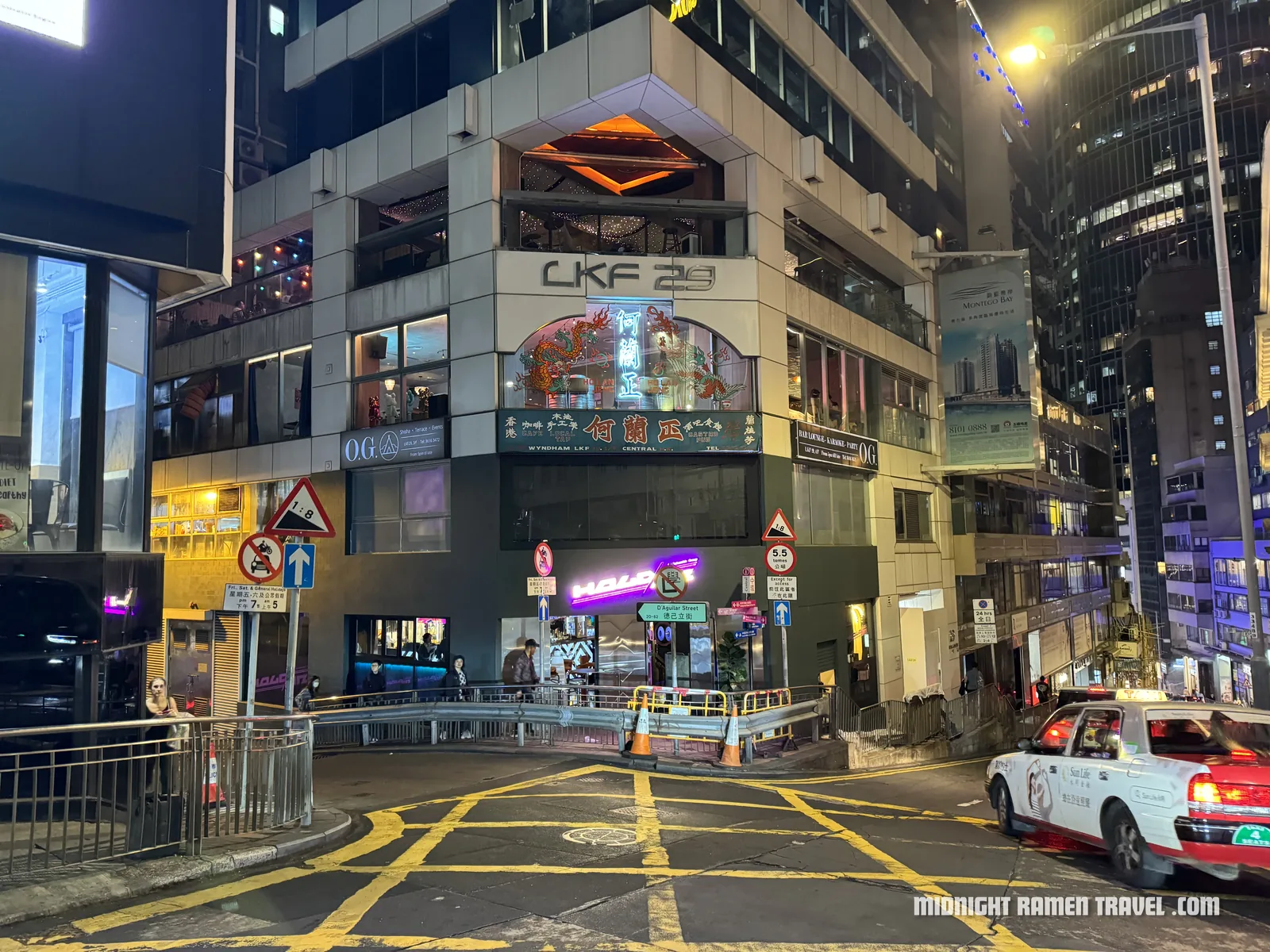
- Getting there: Take the MTR to Central Station, then walk up towards Lan Kwai Fong / D’Aguilar Street.
- Cost: Free to walk around, but drinks can get expensive quickly.
- Time needed: 30 minutes just to wander and see it, or a full night if you are going out properly.
- Heads up: It can get very busy and messy late at night, so keep an eye on your stuff and your phone, especially in crowds.
27. Find a Hidden Speakeasy in Hong Kong
On my first trip to Hong Kong, I got to tag along with a local who took me to this hidden speakeasy whose friend was the owner. It was actually the first speakeasy I ever visited, and I didn’t even really know what a speakeasy was before that, but my mind was blown (ever since that experience, I have secretly wanted to start one of these somewhere).
The one I went to was tiny, with only about 6 or 7 seats at the counter and a few booths behind. It had a real mix of people too, from single businessmen sitting quietly in booths playing games on their phones, to business owners, couples, and people clearly trying to keep things a bit low-key. Very Hong Kong.
Unfortunately, I don’t actually know the name of this one or if it is still open, as this was back in 2018. But part of the fun is finding them. A lot of Hong Kong’s speakeasies and hidden bars are tucked behind unmarked doors, inside restaurants, or upstairs in some random building you would never expect.
Hong Kong does this kind of bar really well, but just keep in mind they can be very pricey.
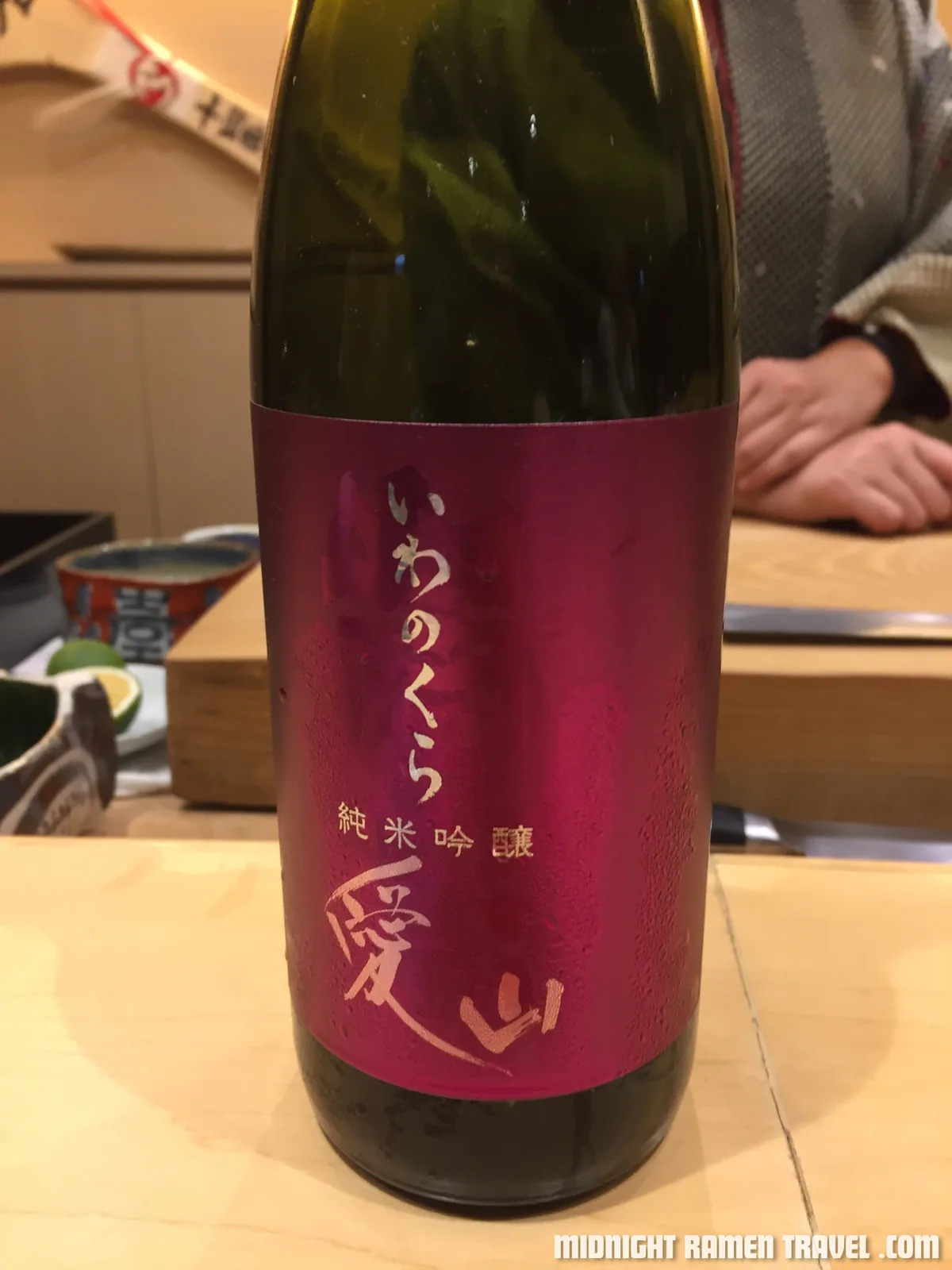
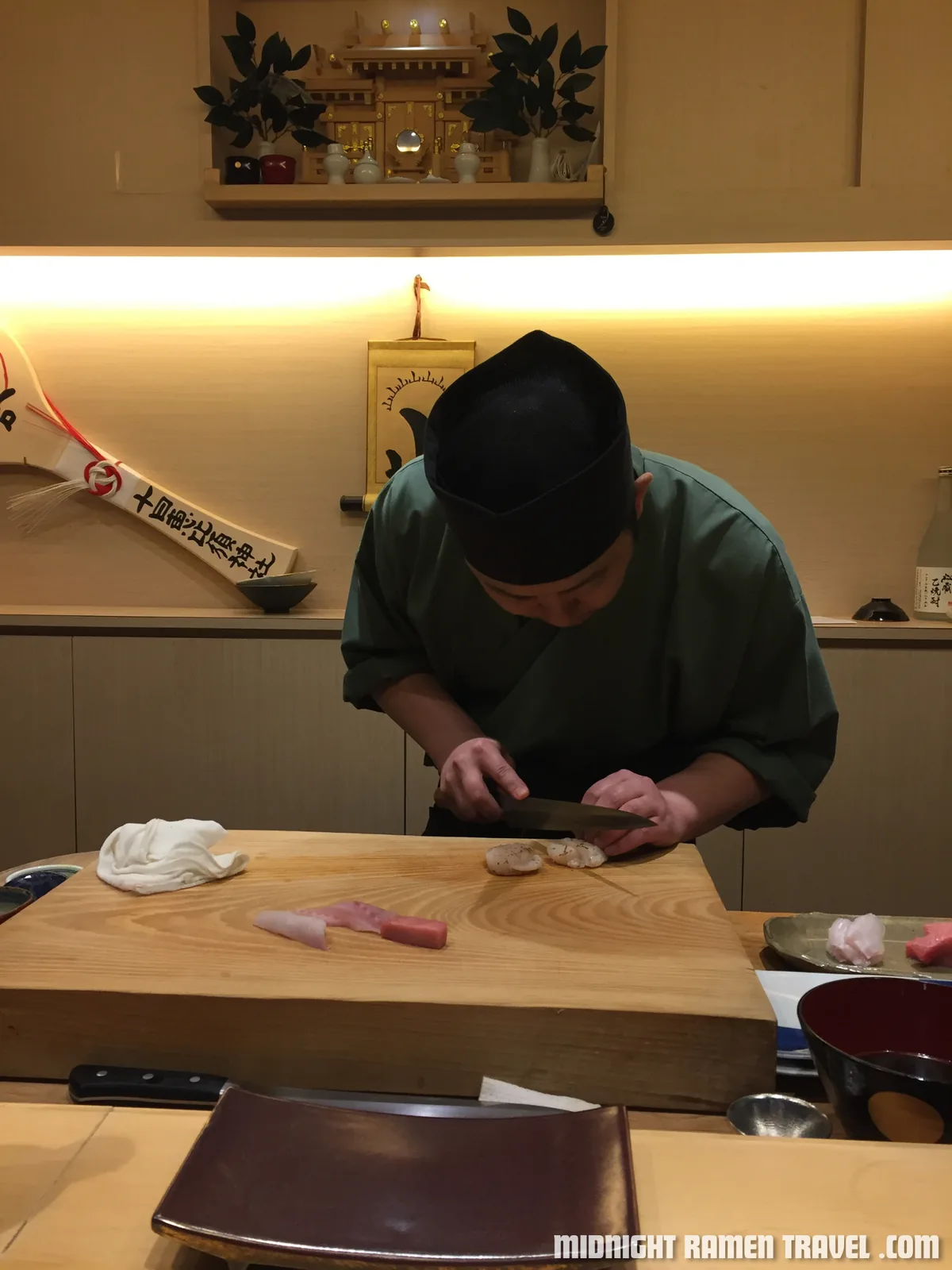
- Getting there: Many of the best hidden bars are around Central, SoHo, Sheung Wan and Tsim Sha Tsui.
- Cost: Usually expensive compared with normal bars. Think cocktail-bar prices, not cheap drinks.
- Time needed: 1-2 hours, or longer if you make a night of it.
- Heads up: Some hidden bars require bookings, and some are genuinely hard to find, so check the address and entrance instructions before going.
28. Peek Into a Traditional Chinese Medicine Shop
Traditional Chinese medicine has been around for thousands of years, so it is interesting to peek into one of these shops and see the different things they are selling: dried herbs, roots, remedies, and all sorts of strange-looking ingredients that most Western travellers, including me, would have no clue what to do with.
I’m told ginseng is one of the things to get. It can take around 5 to 7 years to grow, so the better-quality ones can be seriously expensive.
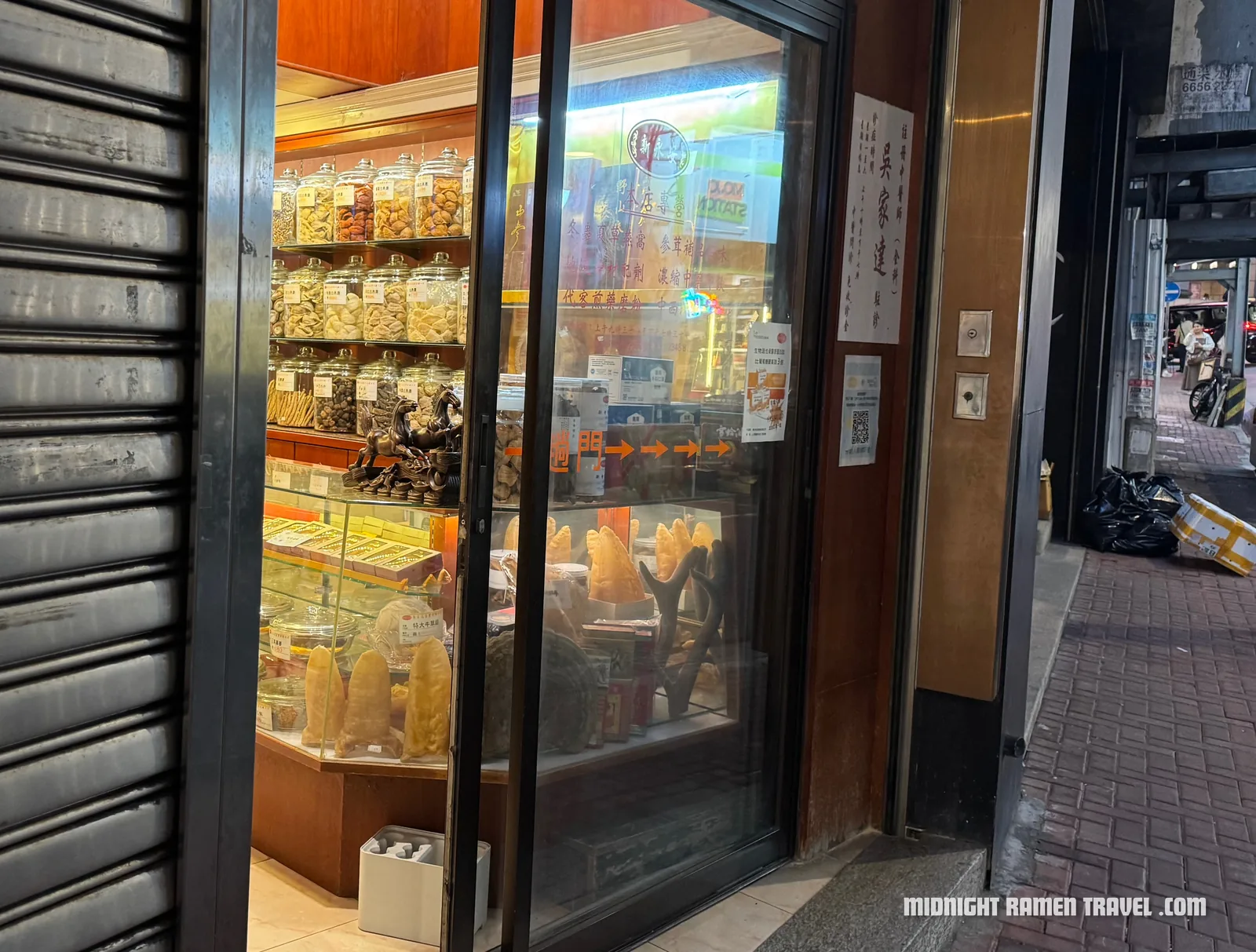
That said, I’ll be honest, some of what you see in these stores makes me a bit sad, especially the dried animal parts… but you don’t have to buy anything to find it interesting, and even just having a quick look inside one is a memorable little cultural experience, especially around areas like Sheung Wan.
Getting there: You’ll see plenty around Sheung Wan, especially near dried seafood streets and older traditional shopping areas.
Cost: Free to browse.
Time needed: 5-15 minutes.
29. Take a Breather at Kowloon Park
I really like this park. I seem to manage to visit it every time I go to Hong Kong. It is not necessarily the most spectacular park in Hong Kong, but it is easy, central, well shaded, has some nice water features, and is just a good reset if you have been walking around Tsim Sha Tsui, Nathan Road, Harbour City or the waterfront – for me, it is the perfect spot to get a little bit of much-needed nature and calm before heading back into the bustle of the city.
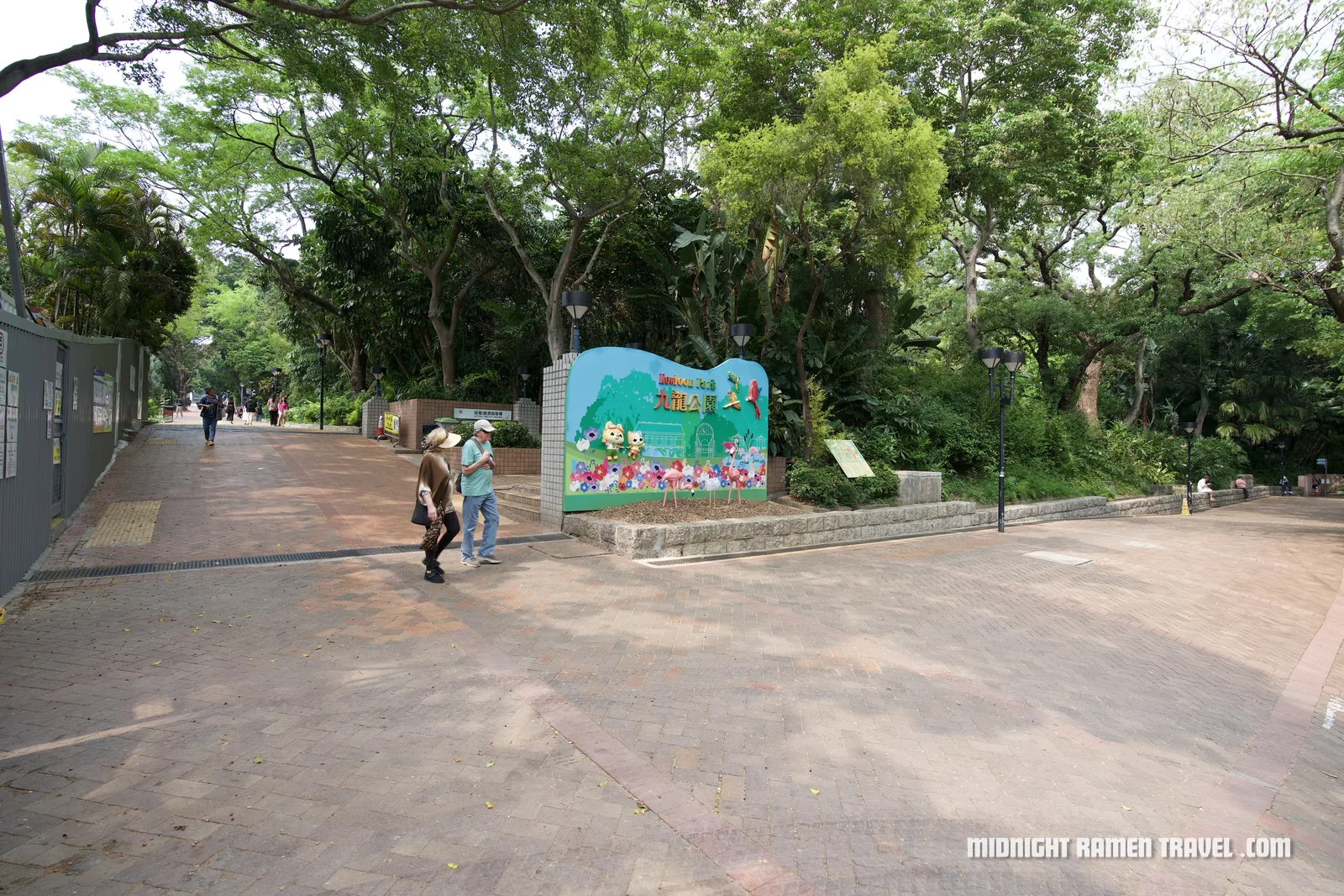
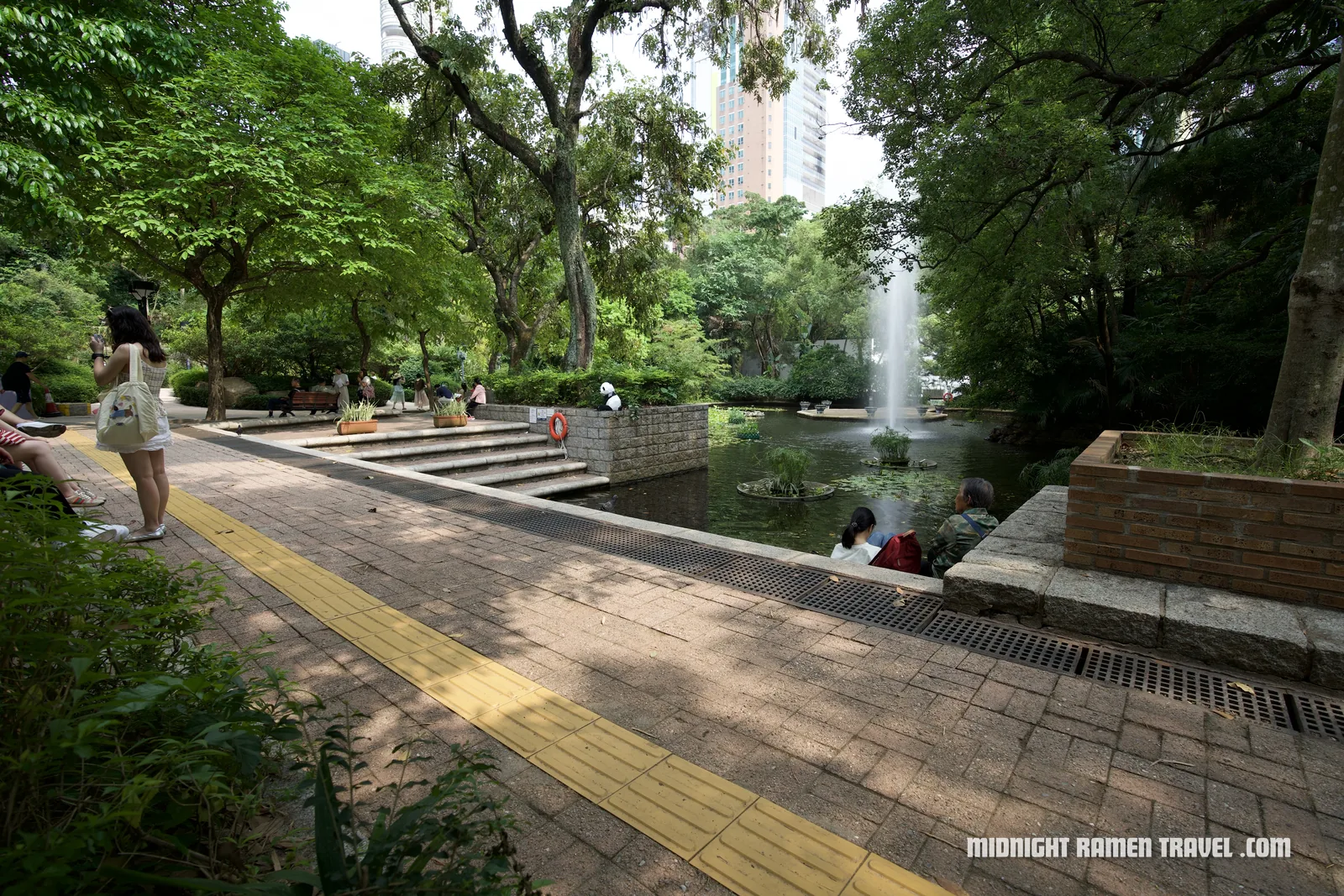
- Getting there: Kowloon Park is in Tsim Sha Tsui, very close to Tsim Sha Tsui MTR and Jordan MTR.
- Cost: Free.
- Time needed: 15-60 minutes (or however long you need for some relaxation / time in nature).
30. Sky100 Observation Deck
I love a good observation tower. It always staggers me looking out over these huge urban metropolises when you come from a place like Australia.
That said, if you are already visiting The Peak and the Tsim Sha Tsui harbourfront, you could probably treat Sky100 as a more optional attraction, given those views are already very hard to beat. But hey, if you also want to see the view from 100 floors up, then put it on the list.
!! NOTE: At the time of writing, Sky100 is undergoing major renovation, so check the official site before planning around it. The Hong Kong Tourism Board also notes that updates about the renovated Sky100 will be announced in due course.
- Getting there: Sky100 is inside the International Commerce Centre in West Kowloon, near Kowloon Station / Austin / West Kowloon Station.
- Cost: HK$188 for adults.
- Time needed: Around 1-2 hours.
- Heads up: Only bother on a clear day. Hong Kong can get hazy, and if visibility is poor, a paid observation deck is not great value.
31. Take the Hop-On Hop-Off Bus
I have done a few hop-on hop-off buses around the world, and while some are just okay, I actually think Hong Kong is one of the better cities to do it.
There are a lot of major attractions packed into a relatively small area, so the bus can be a convenient way to get around and see a lot without constantly working out trains, buses and walking routes.
That said, in my opinion it is a bit expensive for what it is. But you are paying for convenience.
I did the Big Bus starting from the Central Star Ferry Pier stop on Hong Kong Island. I liked that there was an audio guide telling you about the different areas and bits of Hong Kong history, so you can just plug the headphones in and listen while taking in the sights.
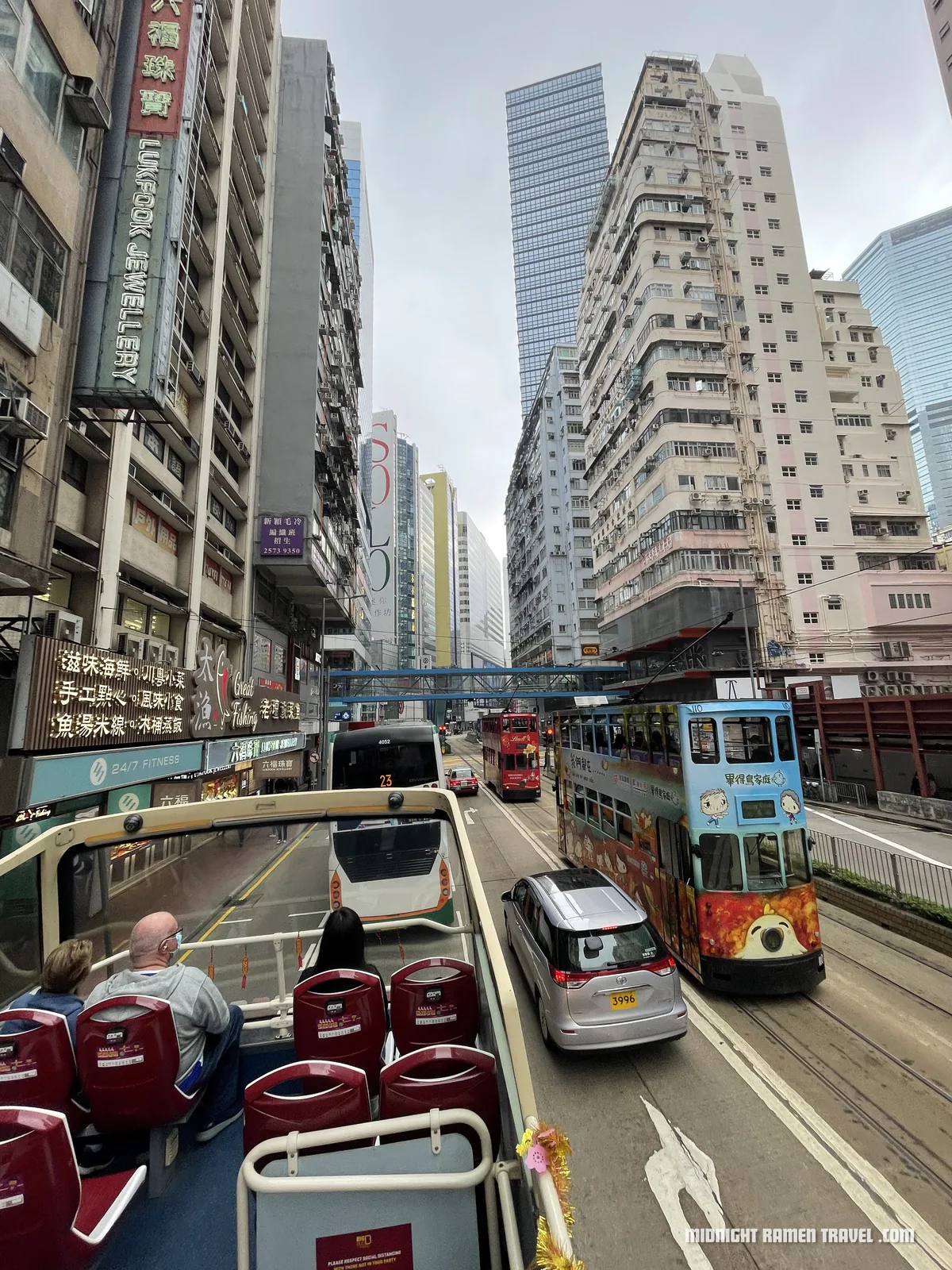
- Getting there: Big Bus tours usually have stops around major tourist areas, including the Central Star Ferry Pier and Tsim Sha Tsui. Check the current route before booking.
- Cost: Paid tour, and not cheap. Check the current Big Bus ticket prices on Klook before booking.
- Time needed: Depends how much you hop on and off, but allow at least half a day if you want to properly use it.
- Heads up: If you are confident using public transport, you definitely do not need this. Hong Kong’s MTR, ferries and trams are excellent. This is more for convenience, commentary and easy sightseeing.
→ Click HERE to check current prices and book the Hong Kong Big Bus hop-on hop-off tour
32. Try One of Hong Kong's Famous Hotel Buffets
Hong Kong has amazing local food, and that should absolutely be your main focus. But one thing it also does surprisingly well is hotel buffets — so this can be a fun one if you like buffets and feel like going a little bit overboard.
I would not make this a food priority if it is your first trip or you only have a couple of days. Your stomach space is probably better spent on local restaurants, cha chaan tengs, dim sum, roast meat, bakeries and street food-style places. But if you are in Hong Kong for a little longer, or you just feel like experiencing a proper big hotel buffet, Hong Kong is a very good place to do it.
The main tip is to check online before booking directly with the hotel. A lot of Hong Kong hotel buffets are available through platforms like Klook, and the discounts can sometimes be surprisingly good.
A few popular ones to look into are:
- The Market at Hotel ICON — one of the best-known and most recommended hotel buffets in Hong Kong. A strong all-round pick if you want a proper buffet experience.
- Café TOO at Island Shangri-La — a more premium option with a big international buffet spread. Good if you want a nicer hotel buffet rather than just the cheapest deal.
- JW Café at JW Marriott Hong Kong — a reliable luxury hotel buffet in Admiralty, especially good if you are staying around Central, Wan Chai or Hong Kong Island.
- The Place at Cordis Hong Kong — a great option to check for online deals, especially if you are staying in or around Mong Kok.
- The Promenade at Harbour Grand Kowloon — worth checking if you want a harbour-view buffet and can get a good discounted price online.
Again, I would not choose a hotel buffet over Hong Kong’s local food scene if you are short on time. But if you want one big, slightly ridiculous buffet meal, it can be a fun addition to the trip.→ Check Hong Kong hotel buffet deals on Klook
If It's Your Thing
These are the things that are not must-dos for everyone, but could be a highlight if you are into them. Theme parks, hiking, horse racing, tennis, photography, trade shows… very different things, but all worth knowing about depending on what kind of traveller you are.
33. Theme Parks: Hong Kong Disneyland and Ocean Park
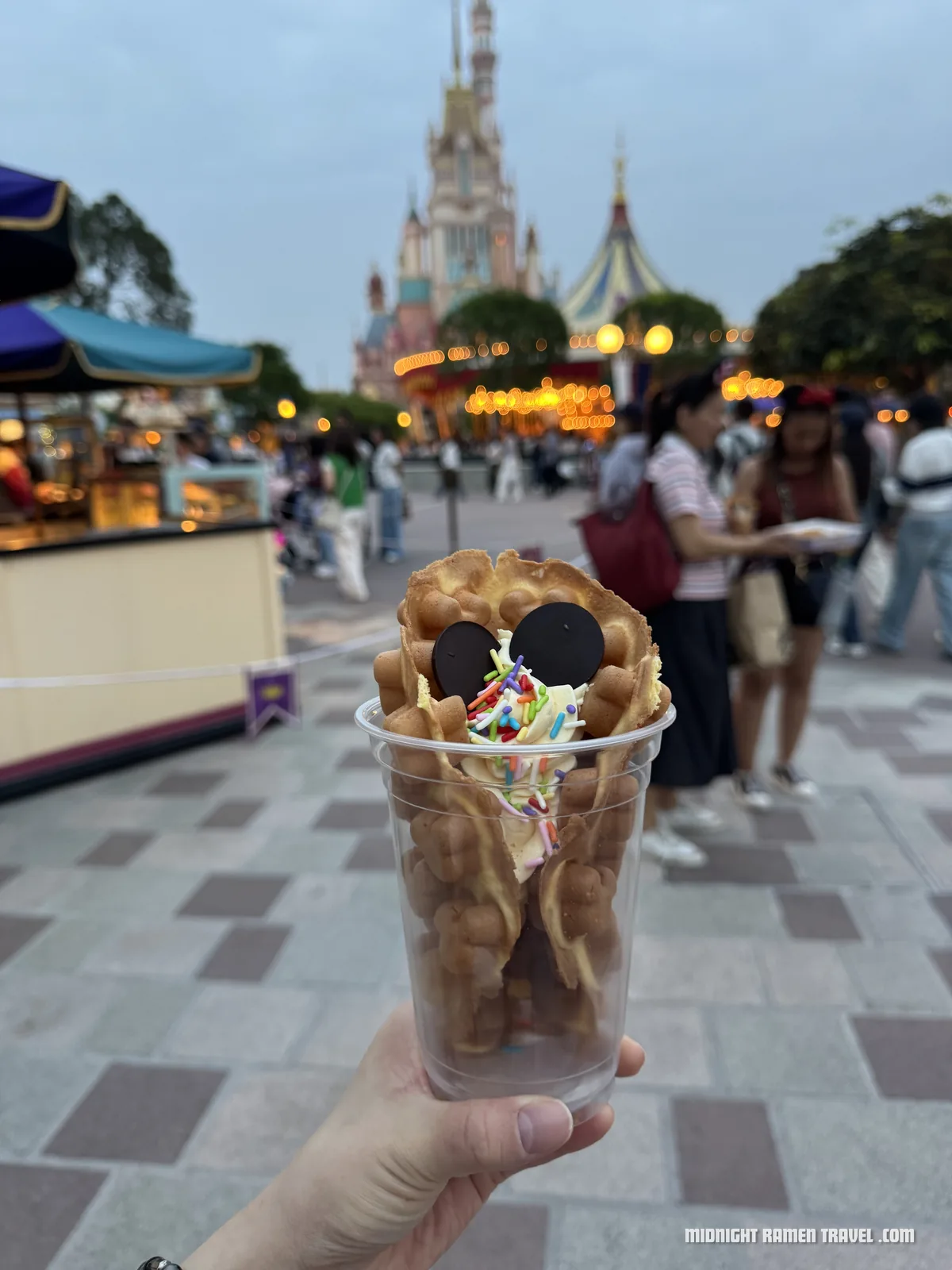
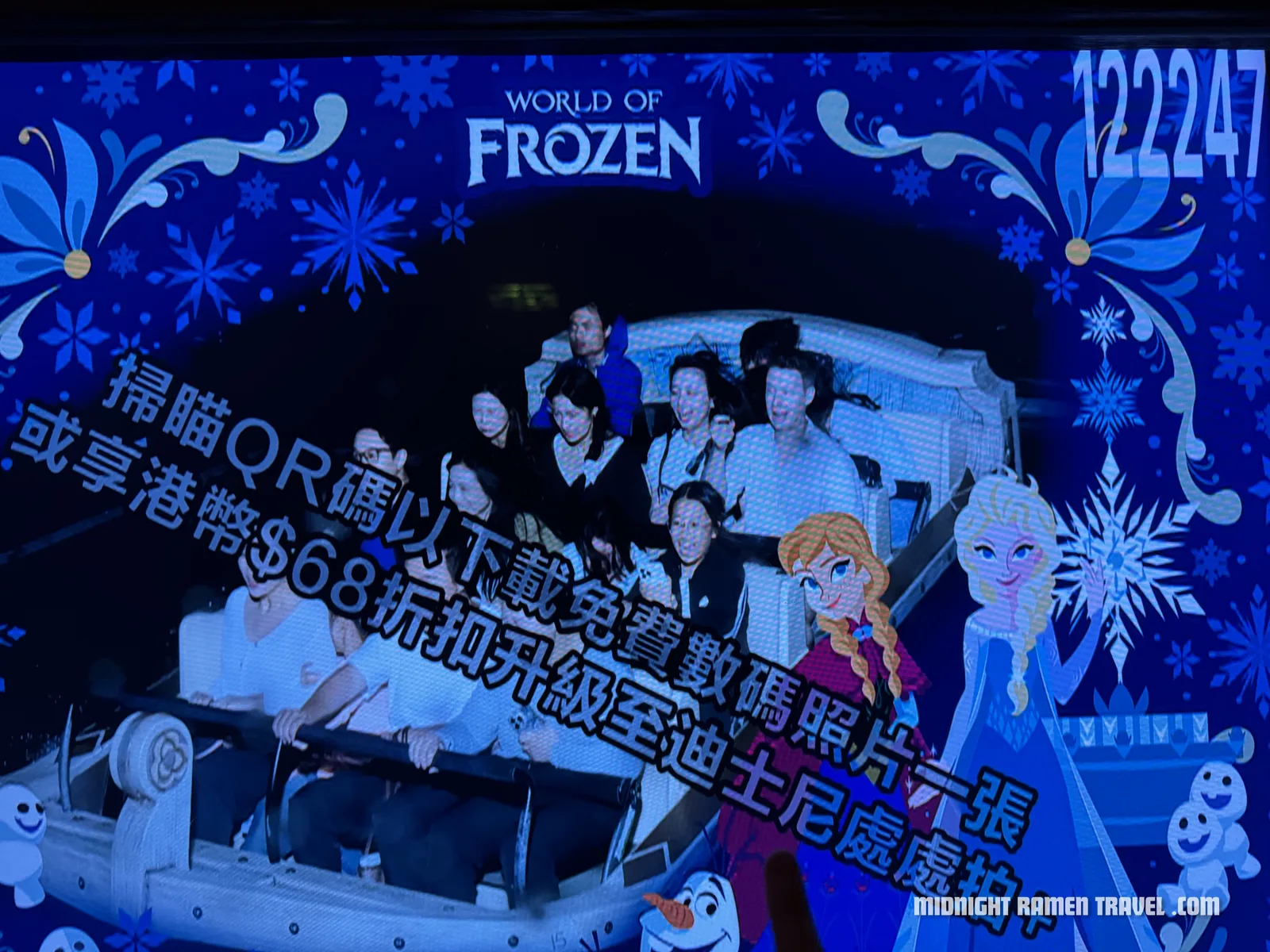
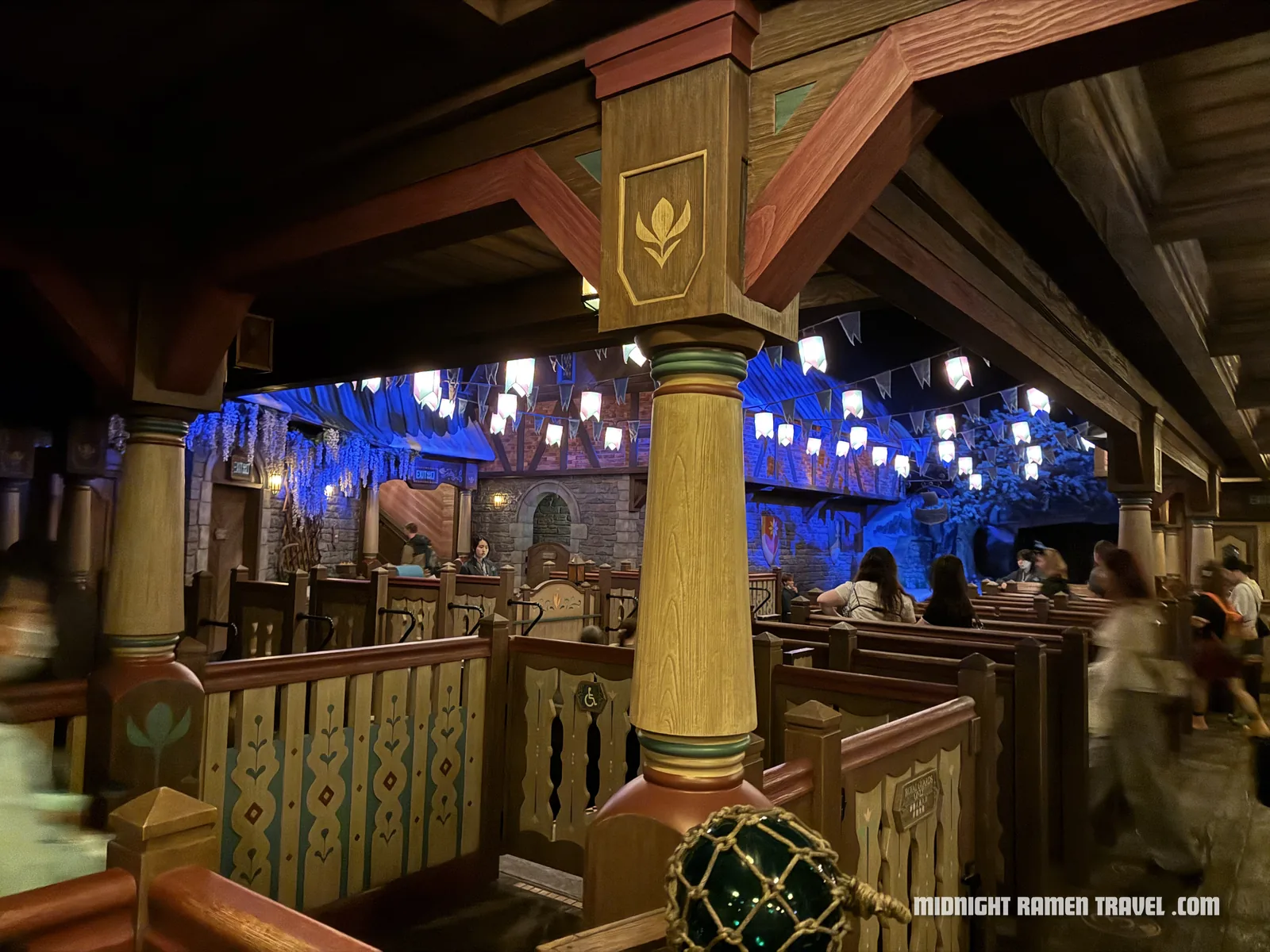
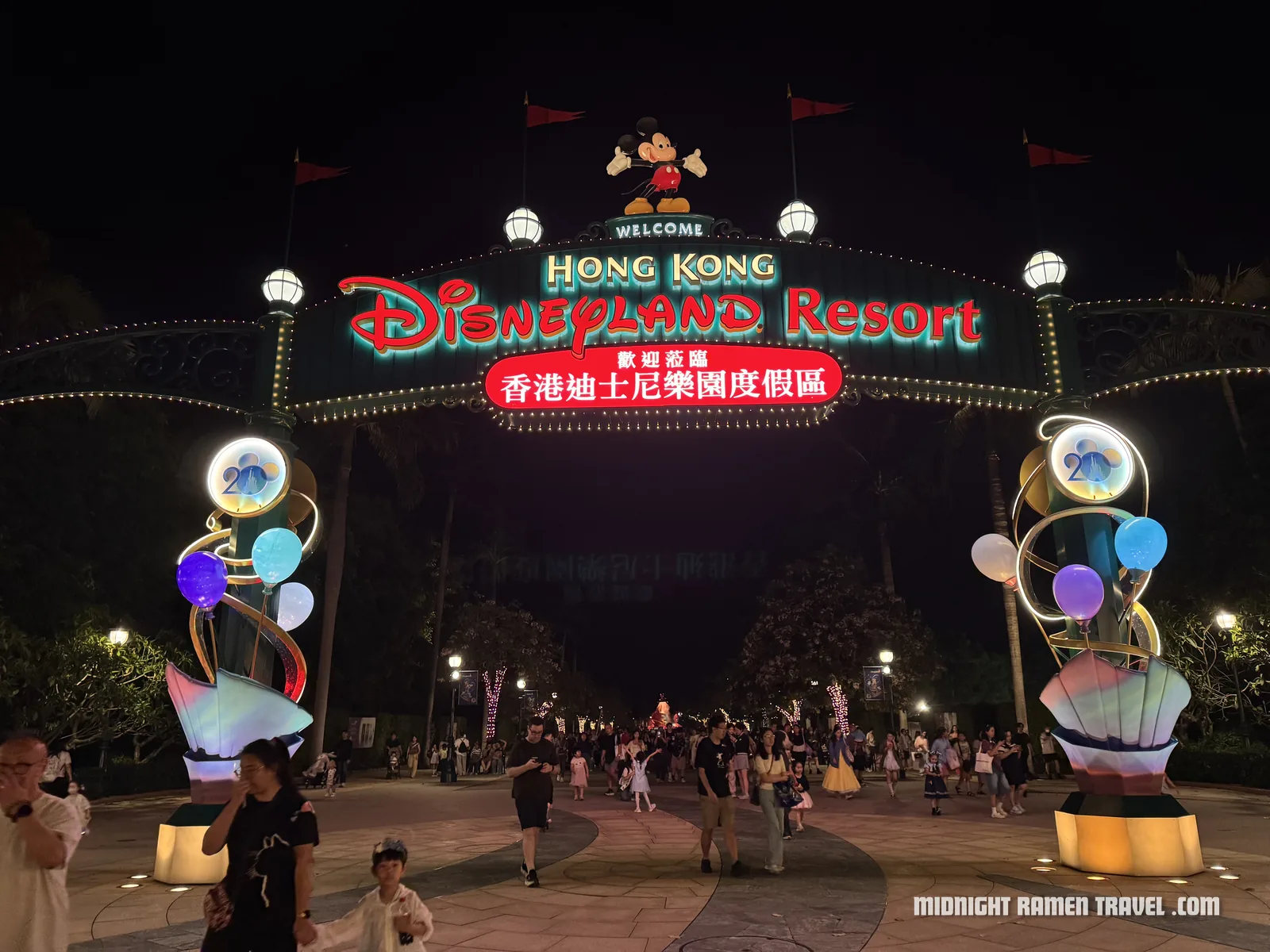
Hong Kong Disneyland is on Lantau Island, and is the obvious pick if you are a Disney person, travelling with kids, or just want a full theme park day. While theme parks are not at the top of my list, I did enjoy Hong Kong Disneyland, and appreciated it is much less busy than some of the others I’ve been to.
Ocean Park is on the south side of Hong Kong Island and is more of a mix of theme park, aquarium, animal attractions and ocean / mountain views. It is also much easier to combine with the south side of Hong Kong Island if you are already planning to visit that area.
I would treat both as separate full-day plans rather than something to casually squeeze into a normal sightseeing day.
I also filmed a big video from my Disneyland visit if you want to see what the park is like before committing a whole day to it:

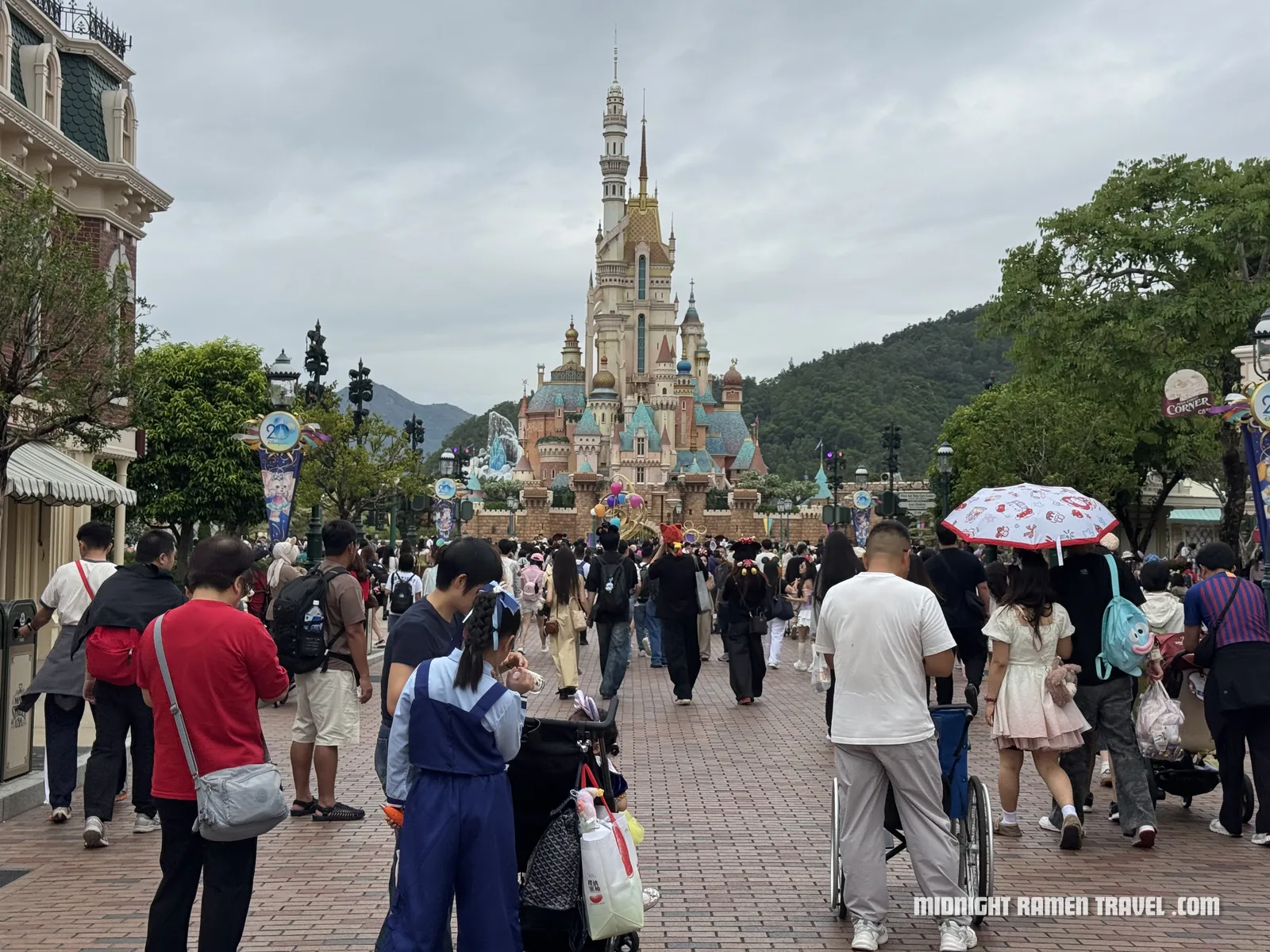
- Getting there: Disneyland is on the MTR Disneyland Resort Line via Sunny Bay. Ocean Park has its own MTR station on the South Island Line.
- Cost: Paid attractions. Tickets are often a bit cheaper on Klook than at the gate, so worth checking before you go.
- Time needed: Full day.
→ Click HERE to check current prices and book Hong Kong Disneyland tickets
→ Click HERE to check Hong Kong Disneyland dining offers and meal vouchers
→ Click HERE to check current prices and book Ocean Park tickets
34. Hike Dragon's Back
People who have not been to Hong Kong may not realise it, but Hong Kong is actually an awesome hiking destination because of its mountainous landscape and coastal scenery.
Dragon’s Back is the most famous hike, and probably the one most visitors hear about first. It gives you a very different side of Hong Kong, with views over the south side of Hong Kong Island, beaches and green hills instead of just skyscrapers.
To get there, take the MTR to Shau Kei Wan Station, then walk to the bus terminus and take bus 9 to To Tei Wan on Shek O Road, where the trail begins. The hike ends near Big Wave Bay, which is another reason people like it.
Getting there: MTR to Shau Kei Wan, then bus 9 to To Tei Wan.
Cost: Free, apart from transport.
Time needed: Around 2-4 hours depending on pace, weather and how long you spend at Big Wave Bay.
Heads up: Bring water, sunscreen and proper shoes. Hong Kong heat and humidity can make hikes feel much harder than they look on paper.
35. Happy Valley Racecourse
I am not that into horse racing, so I have never been personally, but I still think Happy Valley Racecourse deserves a spot on the list because it has been a big part of Hong Kong culture.
Happy Valley Racecourse sits right in the middle of the city on Hong Kong Island, just south of Wan Chai and Causeway Bay, which already makes it pretty unique. The idea of watching horse racing surrounded by Hong Kong’s skyline is definitely a very Hong Kong experience.
Racing usually runs on Wednesday nights during the season, although dates can change, so check the official schedule if you are keen.
- Getting there: Happy Valley is near Causeway Bay / Wan Chai. You can also get there by tram, which is probably the most fitting way to arrive.
- Cost: Usually inexpensive for general admission, but check the current racing schedule and entry details before going.
- Time needed: A couple of hours, or longer if you are making a night of it.
36. Play Tennis on Hong Kong Centre Court
One for the tennis lovers, which is definitely me.
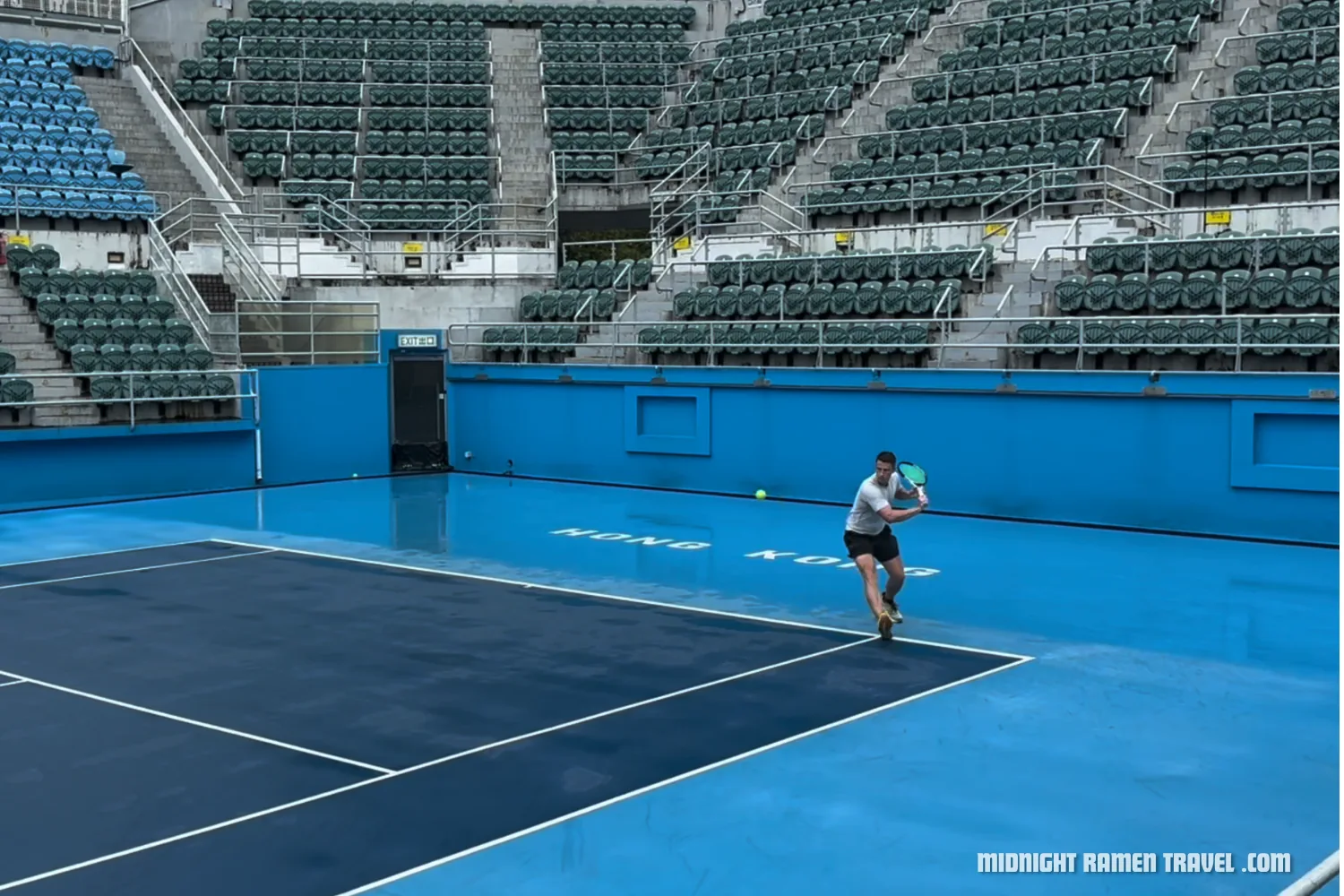
During one of my stays in Hong Kong, I met a local, John, who loved tennis just as much as me. Within about 5 minutes of meeting, he invited me to play tennis together, and we ended up hitting three times during my one-week visit. How about that for Hong Kong friendliness.
Hong Kong has a great system for booking public tennis courts, and you can even hit on Hong Kong Centre Court at Victoria Park Tennis Stadium, where the professional tournament is played, which is exactly what we did.
It was a bit wet when we played, but I was not going to give up that opportunity. I still catch up with John when I go to Hong Kong and have a hit.
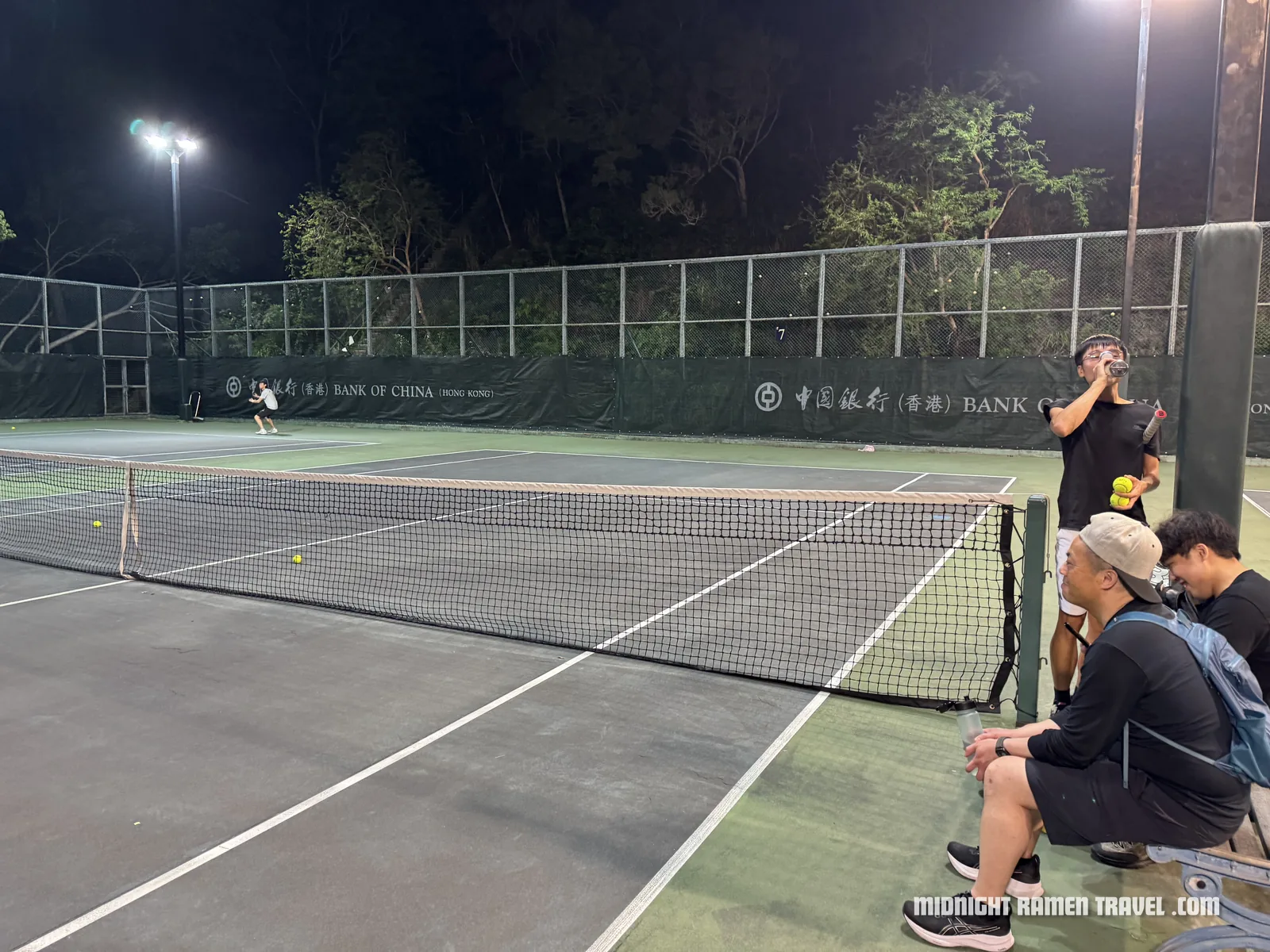
- Getting there: Victoria Park Tennis Stadium is in Causeway Bay, right next to Victoria Park. (or there are many other courts around HK, bookings open up 7 days in advance)
- Cost: Public court booking fees vary depending on court type and time, so check the official Hong Kong Leisure and Cultural Services Department booking system before going.
- Time needed: 1-2 hours if you are booking a proper hit.
- Heads up: This is obviously not for everyone, but if you play tennis, it is a pretty cool Hong Kong experience. You will likely need to book ahead and bring / borrow gear.
37. Do a Self-Guided Photography Walking Tour
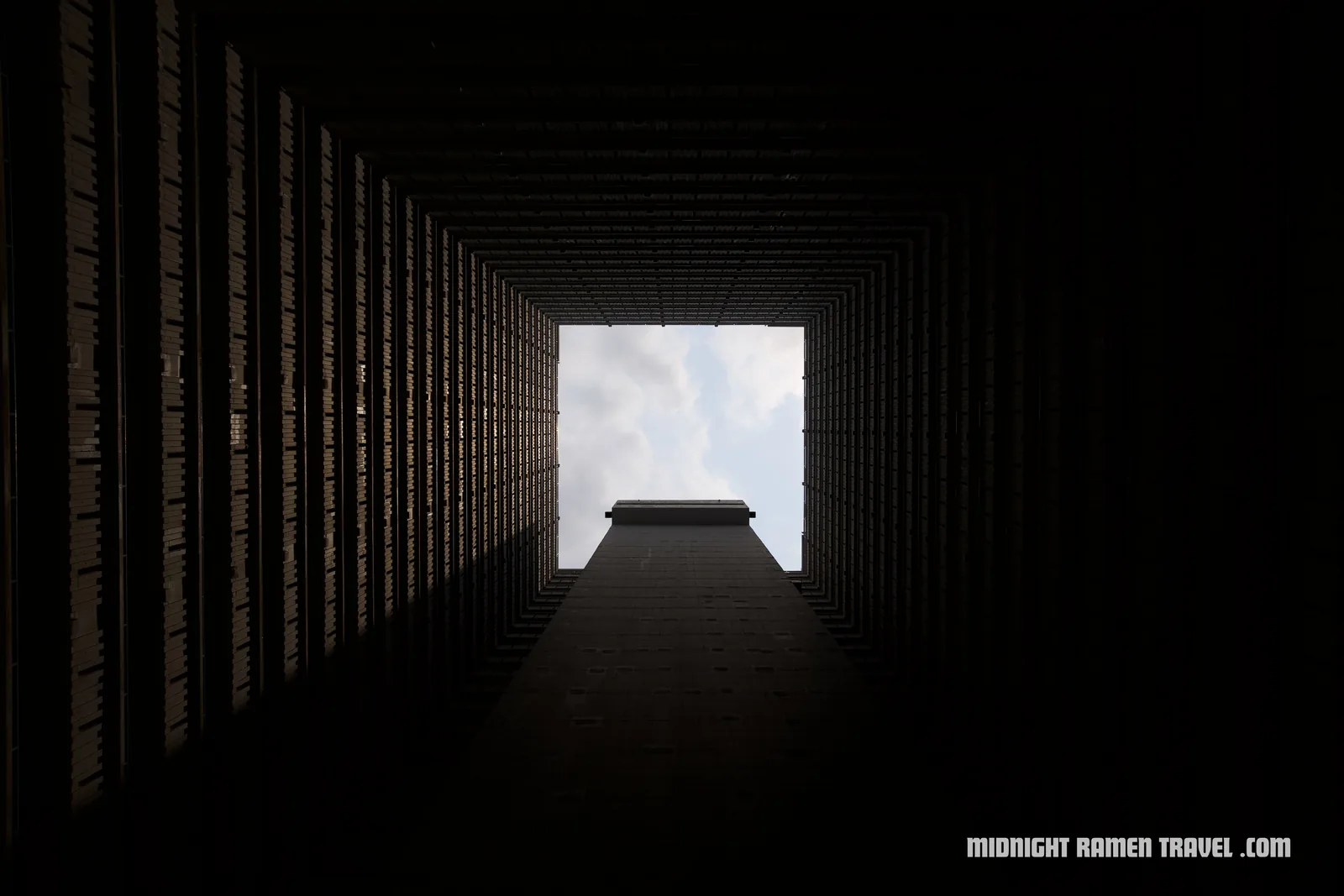
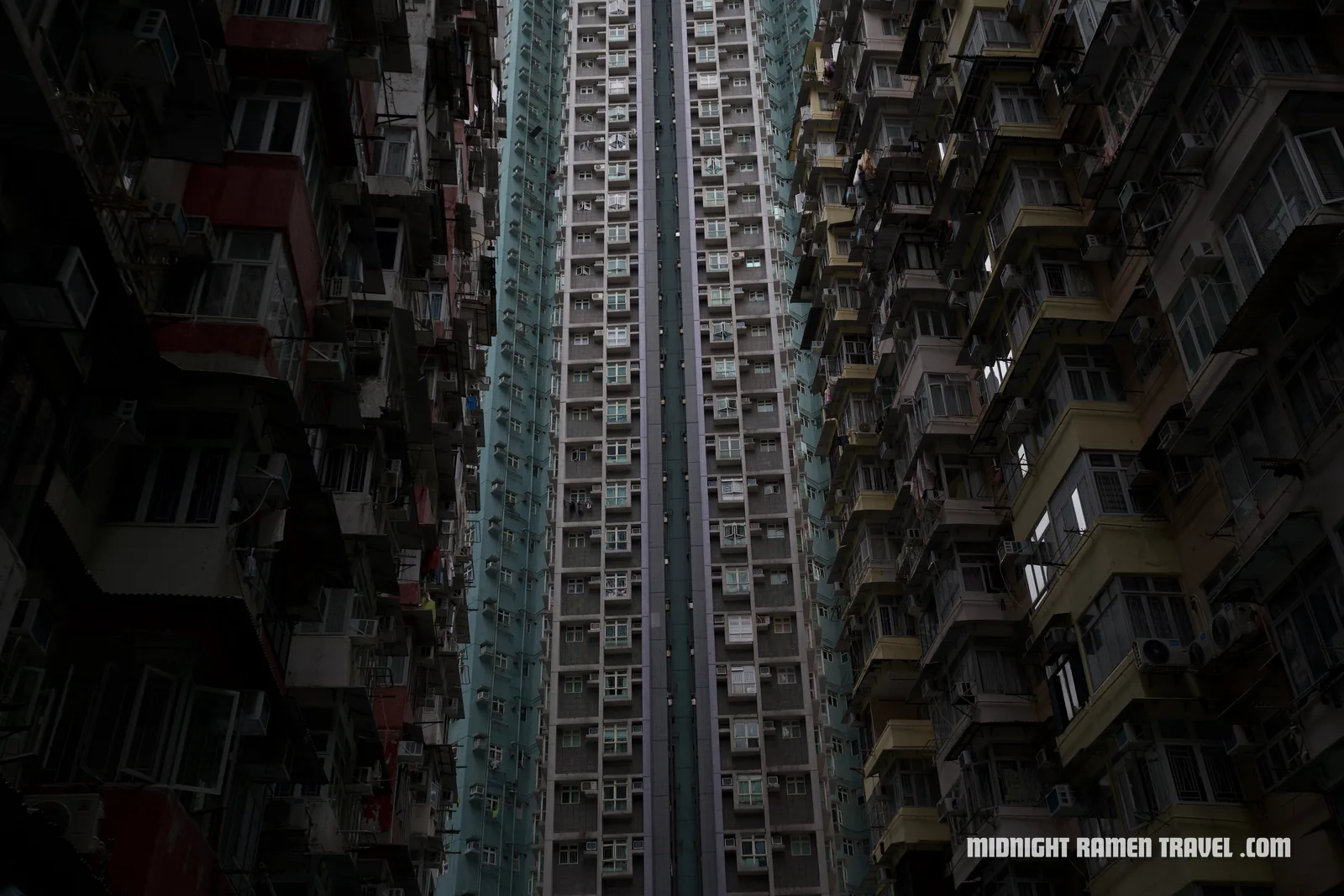
If you are into photography, especially street or urban photography, Hong Kong is an absolute paradise. The density, the signs, the hustle, the harbour, the markets, the skyscrapers, the wet streets at night… it is one of the best cities in the world for that kind of thing. It is also not bad for mountain and harbour views either! Some of the best areas for photos include Mong Kok, Yau Ma Tei, Tsim Sha Tsui, Central, Sheung Wan, North Point, and the harbourfront on both sides (see my Best Photo Spots in Hong Kong post for a more detailed self-guided photography route).
Cost: Free, unless you join a photography tour.
Time needed: As long as you want. Hong Kong is one of those cities where you can spend hours just wandering with a camera.
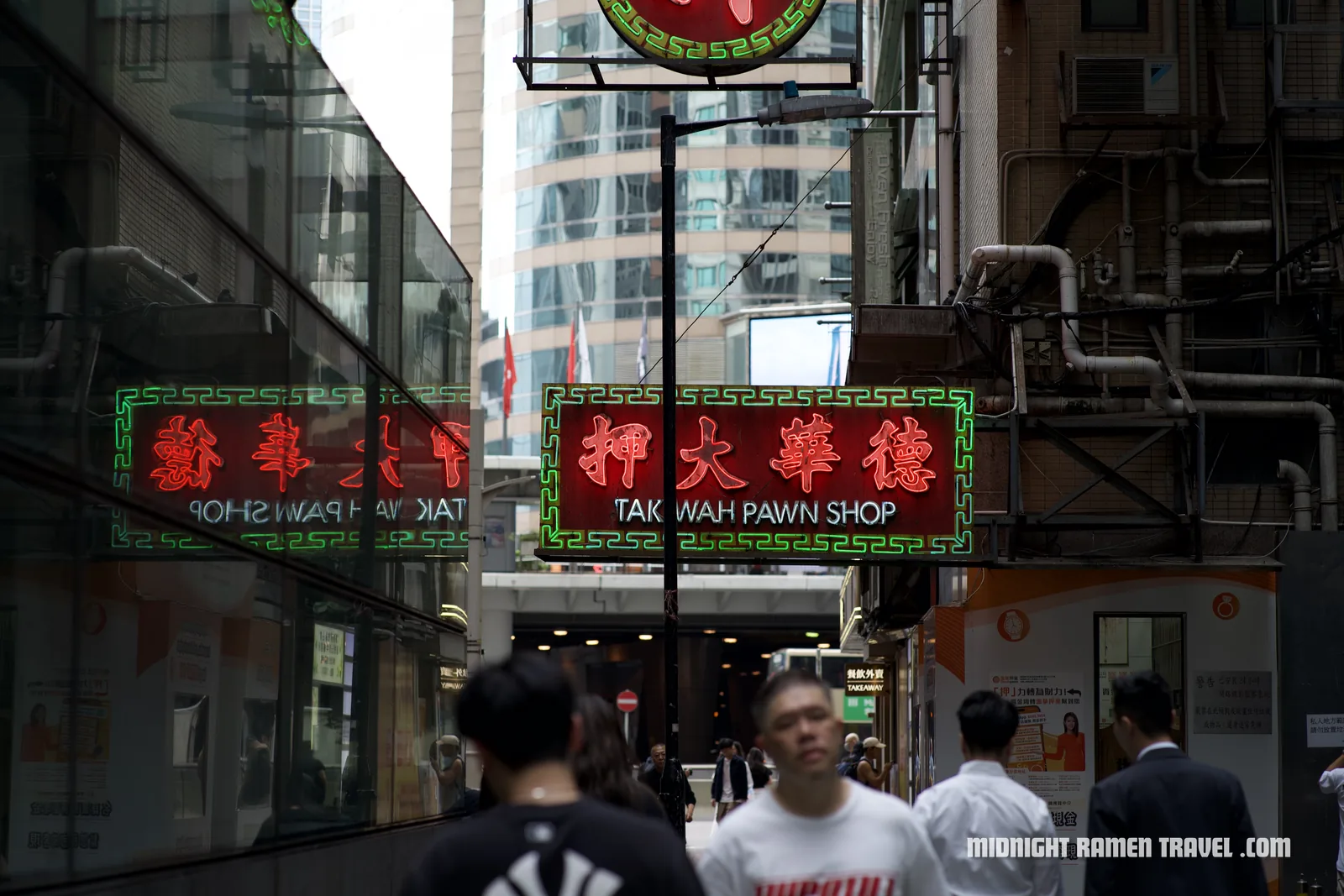
- Cost: Free, unless you join a photography tour.
- Time needed: As long as you want. Hong Kong is one of those cities where you can spend hours just wandering with a camera.
38. Visit a Trade Show or Expo
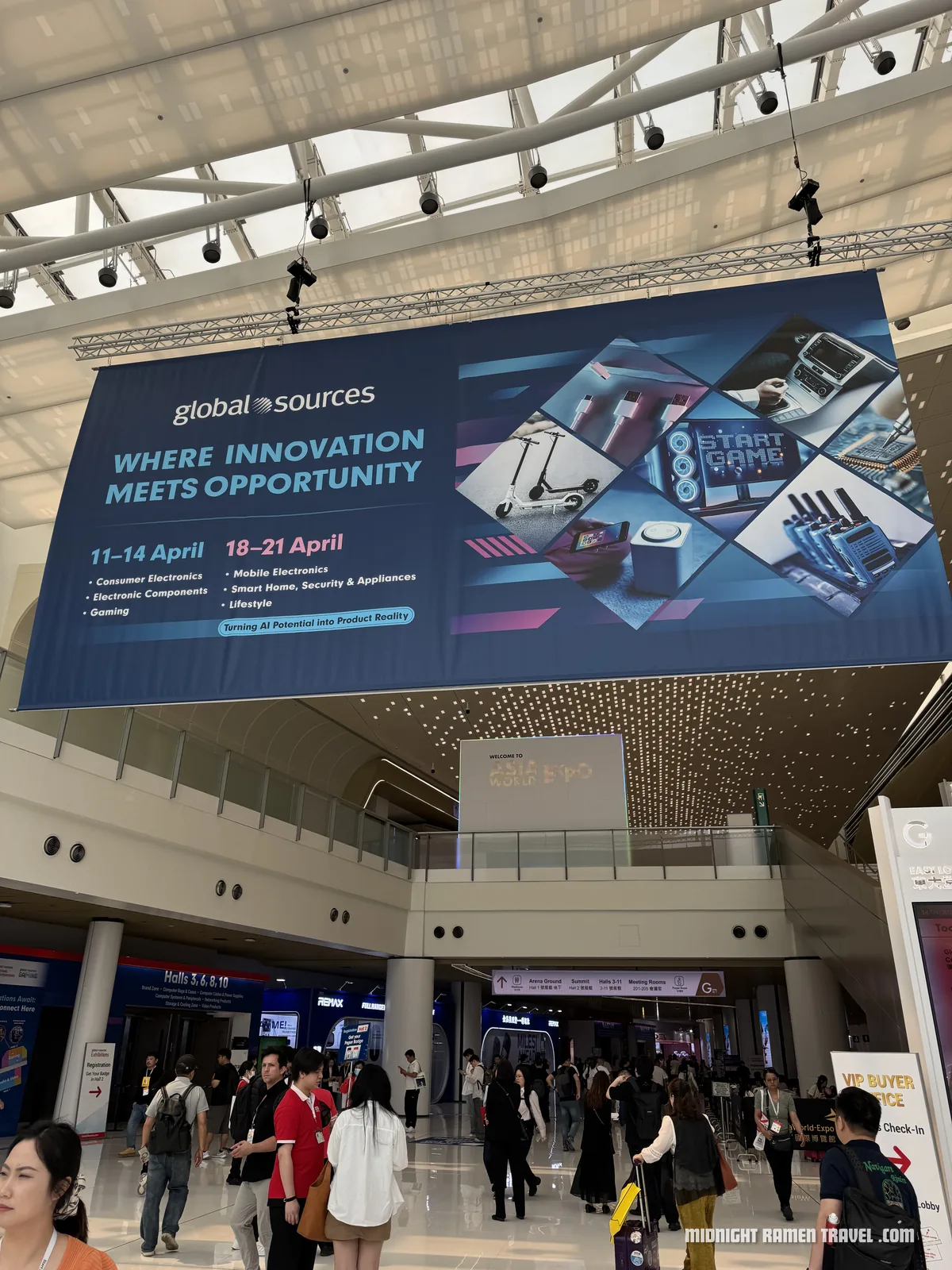
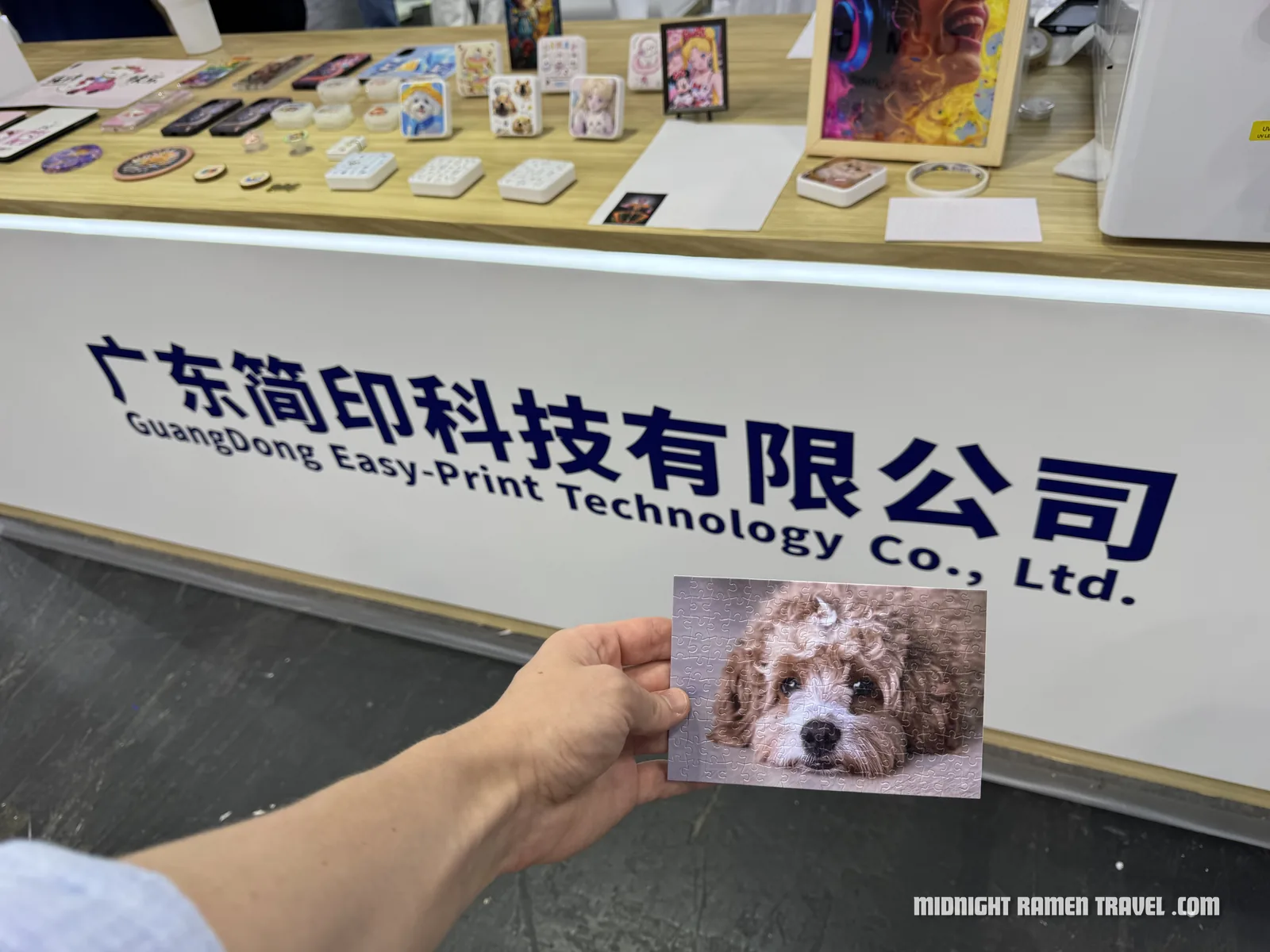
Feeling entrepreneurial? Hong Kong gets heaps of trade shows and expos across things like electronics, gifts, jewellery, fashion, food and more, so there is often some random event on where you can wander around looking at new products, clever packaging, weird little inventions, and all the stuff people are trying to get out into the world.
This is a fun niche one and obviously not one of the core Hong Kong must-dos, but if you are into business, products, trends, sourcing, or just like seeing interesting new stuff, this can actually be a pretty fun thing to do if one of the big trade shows is on while you are there. I have been to the Global Sources show in Hong Kong and also the Canton Fair in Guangzhou, and honestly, if you are into business or products, it is pretty wild to see in person.
Useful sites to check:
– Hong Kong trade fairs and expos: hktdc.com
– Canton Fair: cantonfair.org.cn
- Cost: Depends on the event, but most are free to attend, you just have to register.
- Time needed: A few hours to a full day.
- Heads up: Some trade shows require pre-registration, business details, or approval, so check before just turning up.

Random Things I Like To Do
These are not really essential Hong Kong attractions, but they are the kinds of random things I like doing when I visit a city. They help you get a feel for everyday life beyond just ticking off the main tourist spots.
39. Wander Around the Local Shopping Malls and Grocery Stores
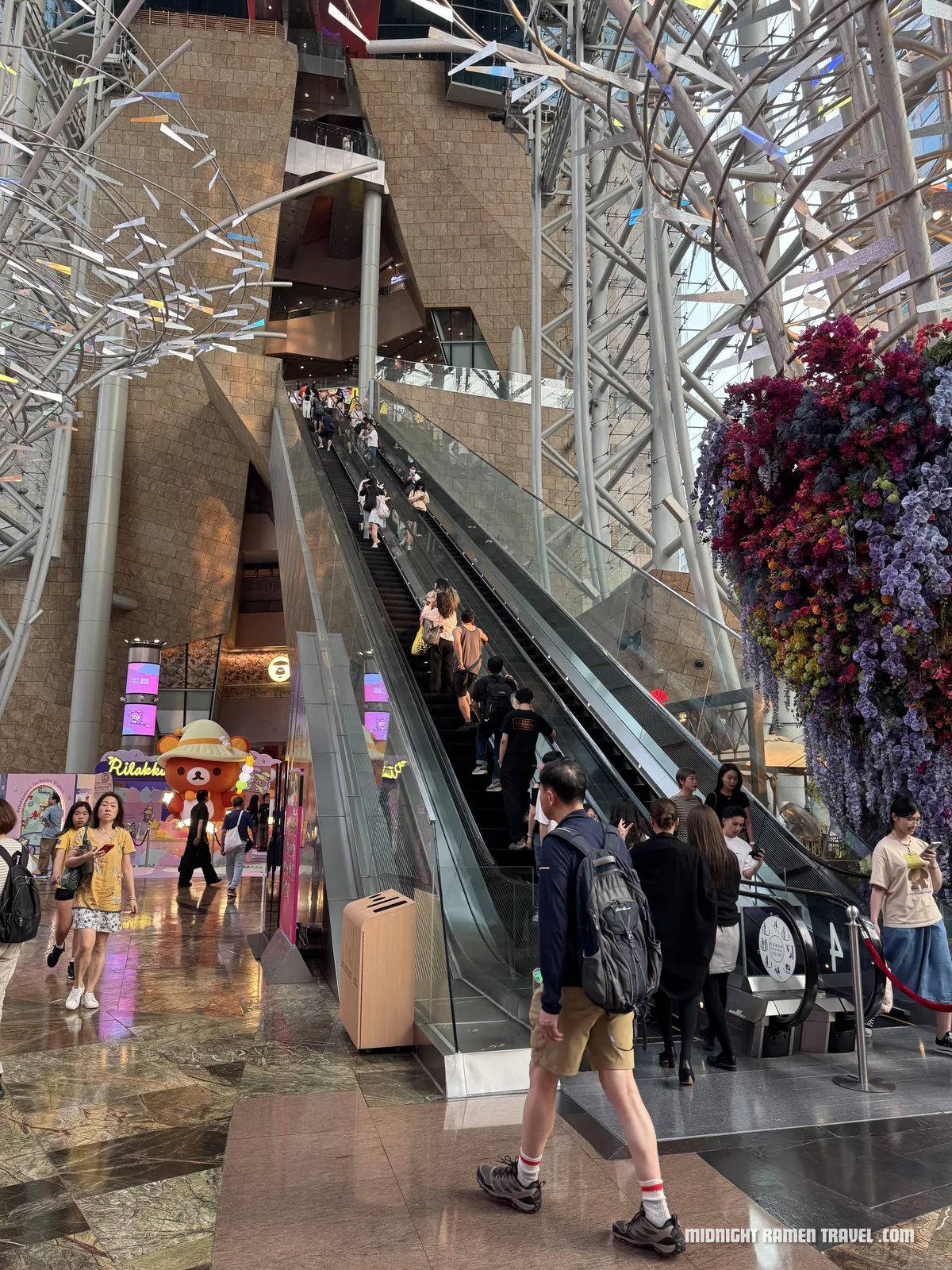
Yes, I have a bit of a thing for wandering around shopping malls in each place I visit. I like them as you get a feel for local life, particularly the younger fashion and social life, and not to mention they are also one of my “safe places” when I am out exploring all day as they usually have bathrooms, wifi, air-conditioning, and a food court with lots of food options. Hong Kong is also a great place to go shopping, as most goods are tax-free, which can make some items cheaper than in countries where general sales taxes apply. Even if you are not a big shopper, which I am definitely not, I still find it fun to wander around the malls.
A few of my personal favourites in Hong Kong are:
- Langham Place, Mong Kok – a cool mall with some crazy escalators.
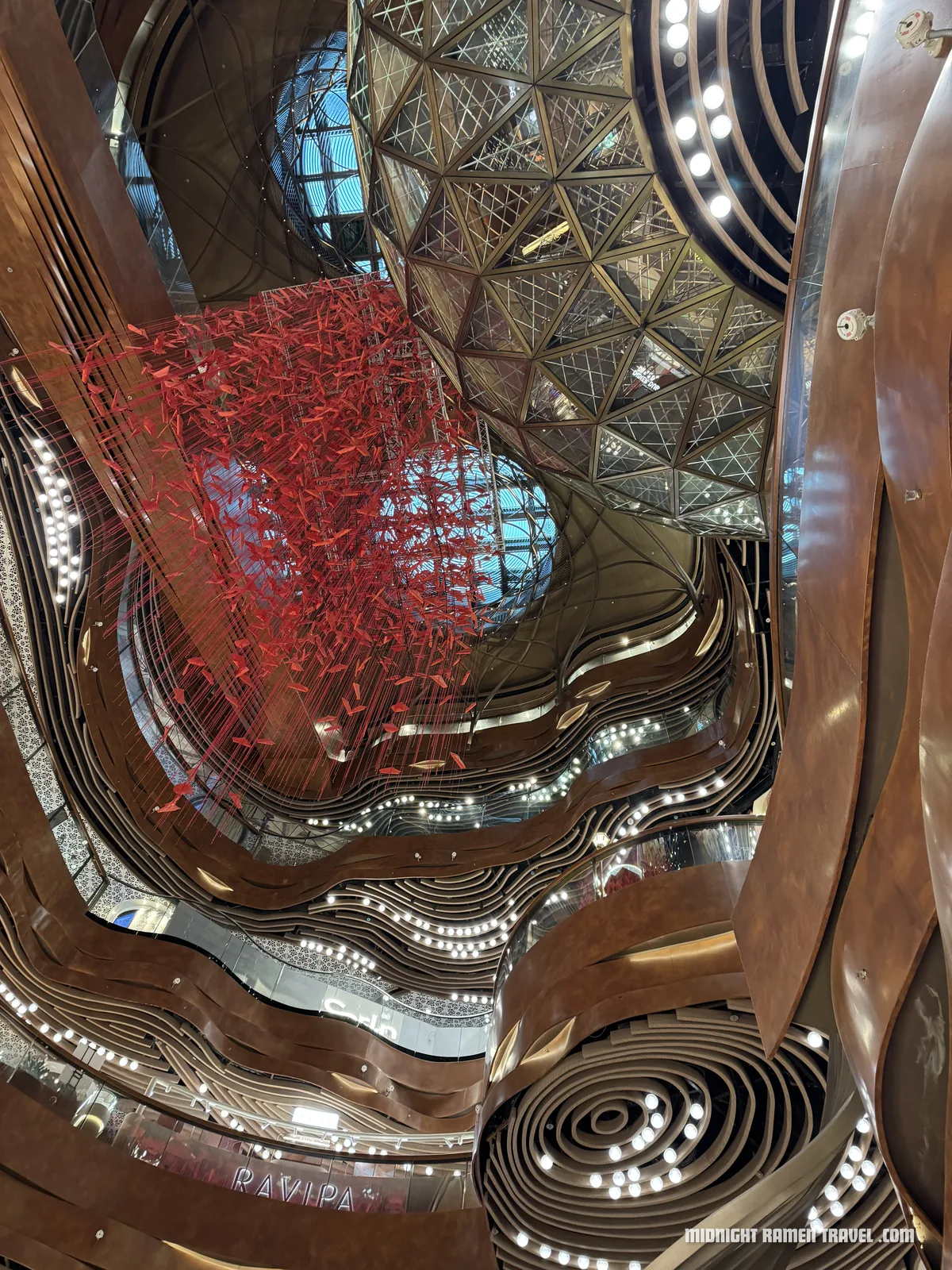
- K11 MUSEA, Tsim Sha Tsui – another cool mall, more focused on a younger / trendier crowd.
- IFC Mall, Central – for some reason, I really like wandering around this specific mall. I think it is probably because when I was younger I thought I wanted to work in one of the big skyscrapers in Hong Kong. Didn’t happen lol. But it is a very nice mall to wander around, and when I am out exploring all day, knowing where to find a good public toilet is essential. This place would have to have some of the nicest public toilets you will ever find.
- Times Square, Causeway Bay – probably the classic big mall option on the Causeway Bay side.
- Harbour City, Tsim Sha Tsui – probably the biggest and most all-round option if you want a huge mix of shops, dining, and a harbourfront location.
And as the title mentioned, I also find it very fun to wander around big supermarkets in different countries and see the different types of grocery items they have. Different drinks, seasonings, snacks, packaging, and just random things that make you realise you are in a different part of the world.
40. Watch the Locals Battle It Out on the Local Sporting Fields
I’m a sport lover, so maybe this one is just me, but one thing I really enjoy doing in Hong Kong is watching locals play sport after work.
The main place I’ve done this is Southorn Playground in Wan Chai. It is this public sports ground surrounded by buildings, and if there is a football or basketball game going on, it is actually pretty fun to just sit for a while and watch. After a big day of exploring, it can be nice to slow down and see people just blowing off some steam after work. It is especially cool because you still have that dense Hong Kong city backdrop around you.
I remember sitting there watching a game and thinking, wow, it is pretty wild what humans have managed to build.
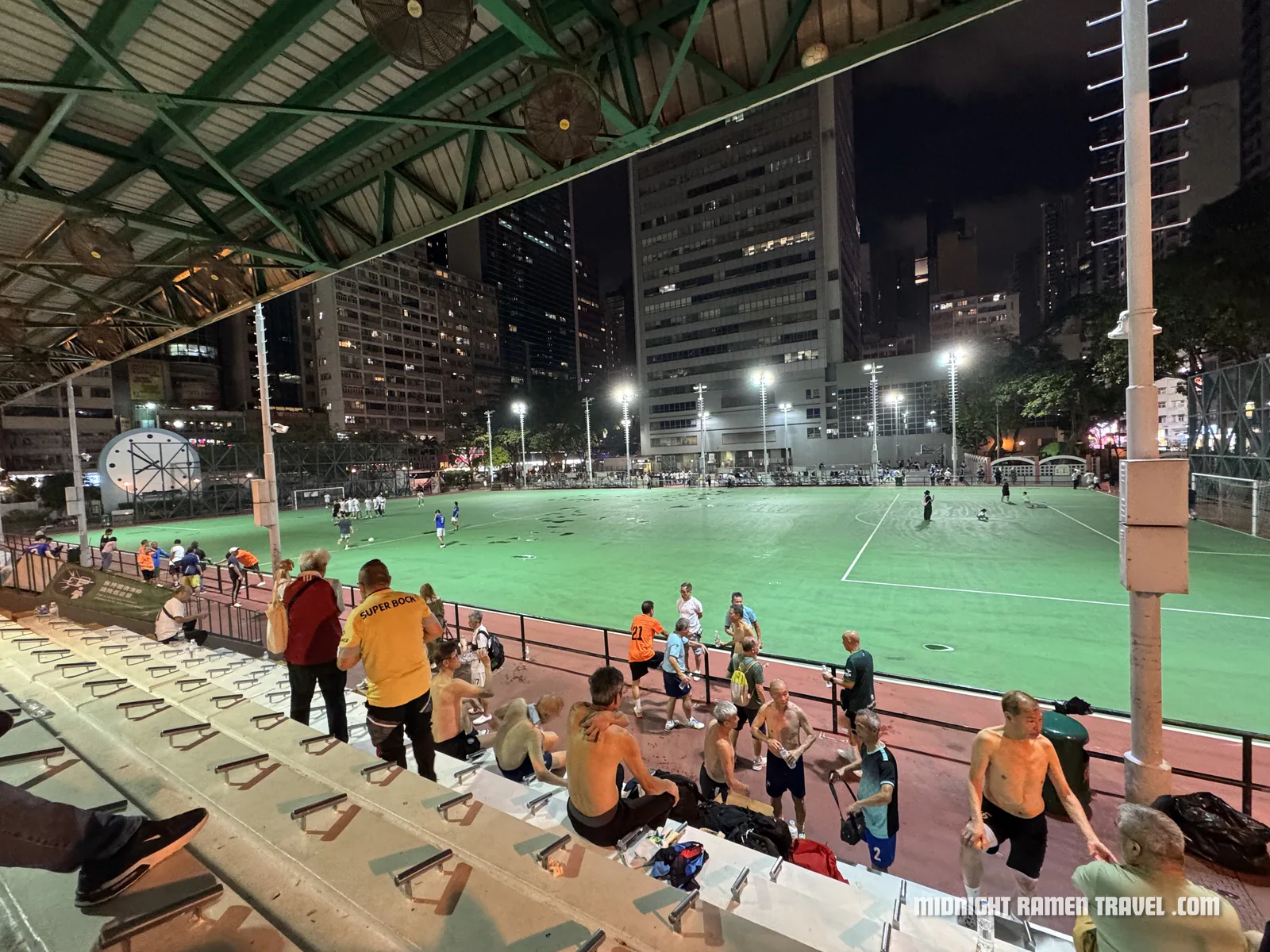
Another good option is Victoria Park in Causeway Bay, which has tennis courts, football pitches, basketball courts, a running track and lots of locals exercising. You can just wander through, sit for a bit, and watch whatever is going on.
Obviously this is not something I’d tell everyone to go massively out of their way for, but if you like sport and happen to pass a local game, stop for a bit. These little moments can be just as memorable as the big attractions.
- Getting there: For Southorn Playground, take the MTR to Wan Chai Station. For Victoria Park, take the MTR to Causeway Bay or Tin Hau.
- Cost: Free.
- Time needed: 10-30 minutes, or longer if there is a good game on.
- Best time to go: Early evening is best, when people are finishing work and local games / training sessions are more likely to be happening.
41. Visit a Local Library
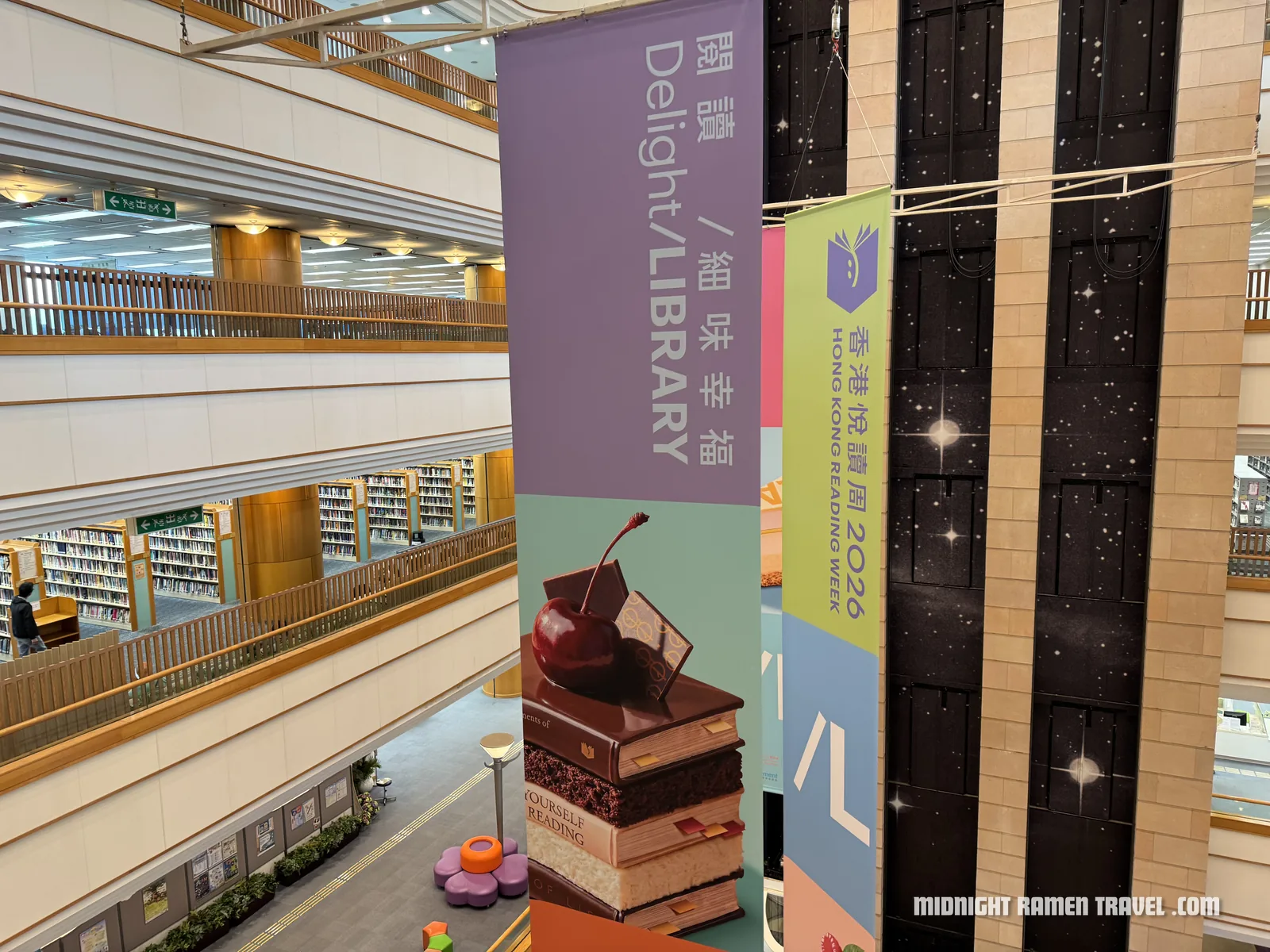
For the library lovers, again, me.
Maybe this is a bit nerdy, but when I visit a new city I always like checking out the local library if I can. It is definitely not a must-do, and I would not say any of these beat my local library in Melbourne, the State Library of Victoria, which is awesome. But if you are passing by and are into this kind of thing, a few worth knowing about are:
- Hong Kong Central Library, Causeway Bay: the city’s main library and the biggest one in the public library system. When I was working on this post, I went here a few times. It has free wifi, desks, comfy seats, and is a very useful place to get some work done if you need a reset.
- City Hall Public Library, Central: the first public library in Hong Kong, and a nice one to pop into if you are already exploring Central.
- Tsim Sha Tsui Public Library: a smaller option if you are already on the Kowloon side.
Again, not one for everyone. But if you are travelling long-term, working on the road, or just like libraries, it is good to know these places exist.
42. Check Out a University
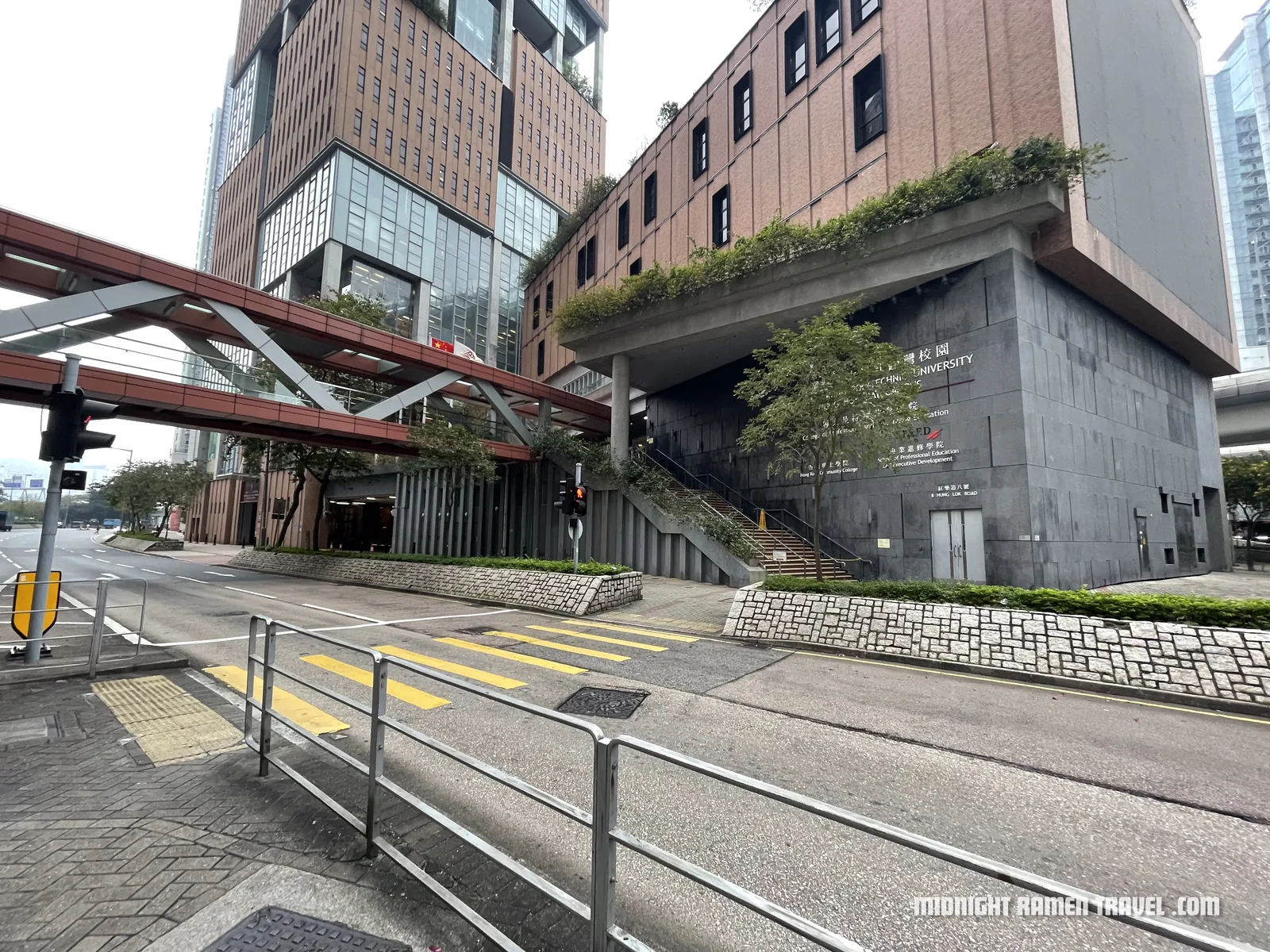
This might sound like an odd one, but another thing I like to do if possible when I visit a new city is check out a university. The main reasons for this is:
- I find it is another good way to get a feel for real life beyond just the tourist centre. That poor uni student trying to finish their masters while somehow affording life in Hong Kong is pretty real life.
- Some of the very best buildings are at universities, as a lot of these places do not lack money.
This is definitely not a must-do, but if you like campuses, architecture, libraries, or just seeing another slice of local life, it can be an interesting little detour.
Things You Might Notice
Sunday Picnics
This is not a “thing to do”, but I still wanted to include it somewhere as is something you might notice while you are in Hong Kong.
On Sundays, you will often see huge gatherings of overseas workers, especially Filipino domestic workers, spending their day off picnicking together in public spaces. I remember seeing groups sitting on cardboard, eating, chatting, laughing, and making the most of their day off with friends.
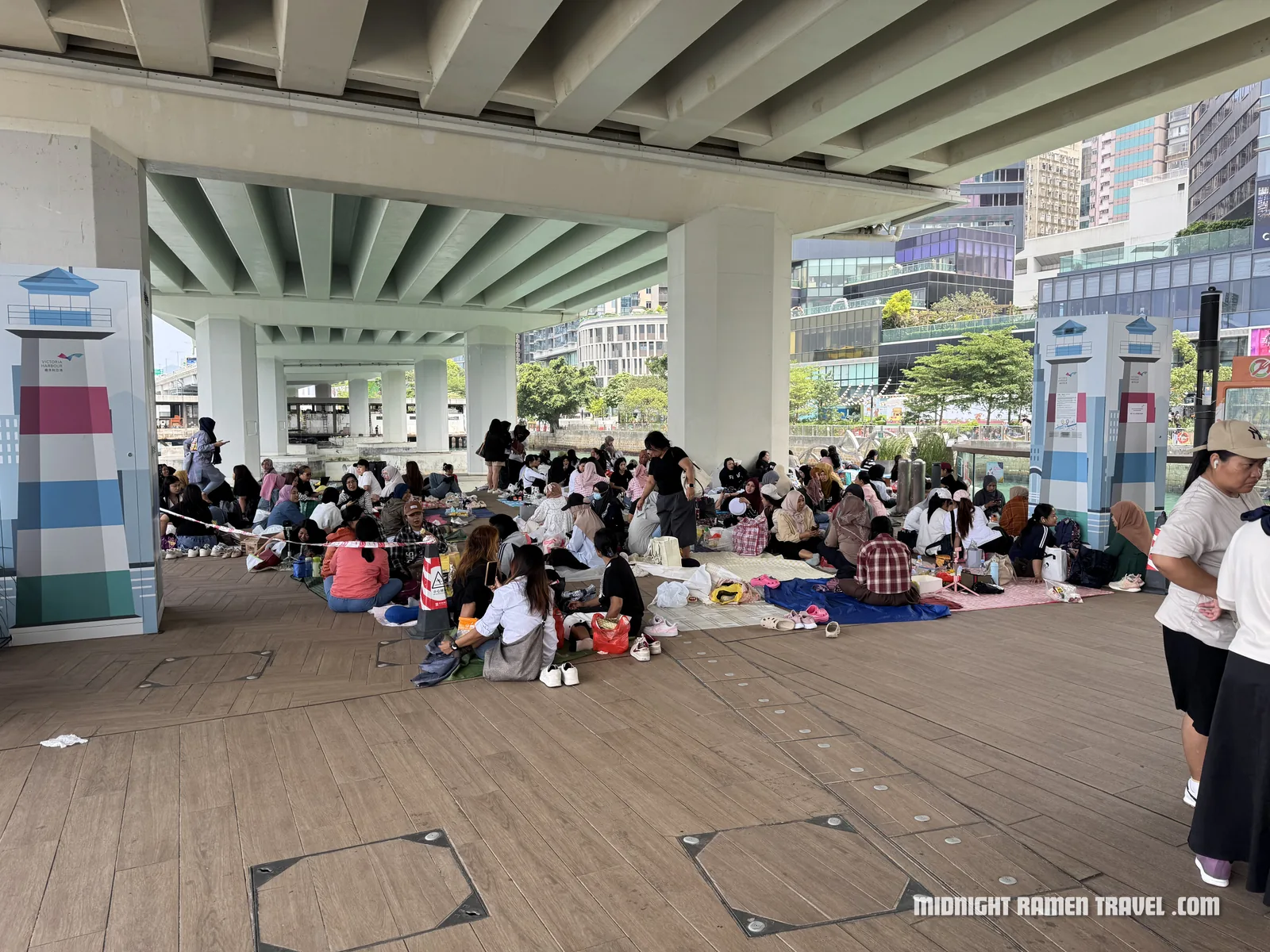
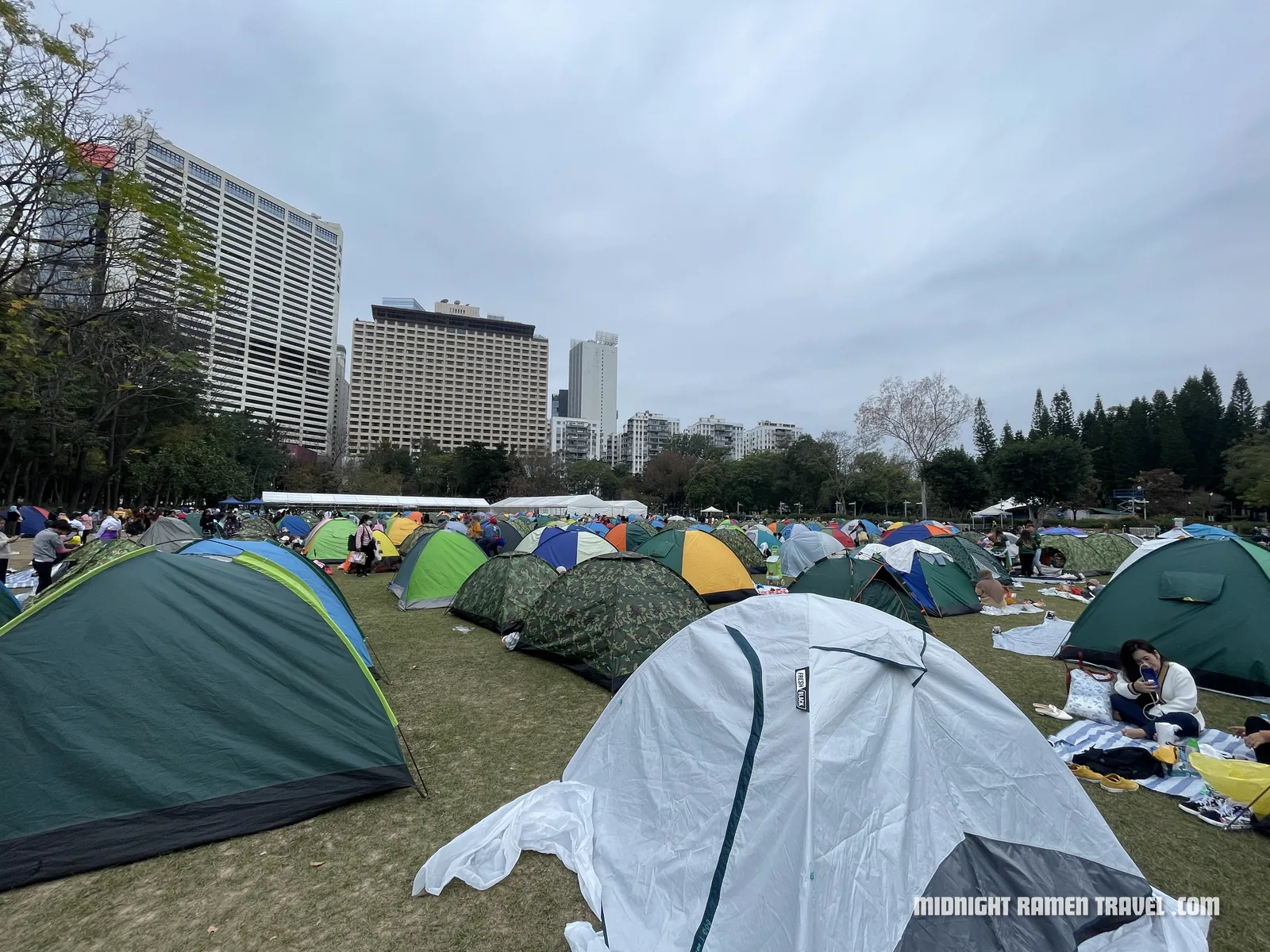
Again, this is obviously not a tourist attraction or something to treat like a spectacle. But if you are there on a Sunday and notice parts of Hong Kong filled with people gathering outdoors, that is probably what is going on. It is one of those things that gives you a deeper understanding of another side of life in Hong Kong.
And Lastly...
Don't Forget to Follow Your Wanderings!
While I love an overly thorough plan of attack, I also think some of the best travel moments come from simply following your wanderings.
If there is a street, shop, market, food place, or random little side alley that looks interesting, check it out. Maybe you accidentally get off at the wrong stop, which I have done plenty of times, but why not see what is around? Getting lost becomes a lot less stressful when you sometimes do it on purpose.
Or maybe there is some random Asian dessert shop that you strongly suspect you will find weird. Give it a go anyway, because that is what travel is all about.
This is especially true in Hong Kong. The city rewards wandering. Some of the best moments are not big attractions, but the random things you notice between them.
Where to Stay in Hong Kong
Hong Kong is compact and the transport is so good that almost anywhere central can work, so the area you pick matters more than the exact hotel. Here’s the quick version of who each main base suits, and my full guide covers the specific hotels.
- Tsim Sha Tsui: best for first-timers. The harbour promenade, skyline views, museums, the Star Ferry and the MTR are all right there, with hotels at every budget.
- Causeway Bay: best for shopping, energy and late-night eats, with Victoria Park nearby when you need a break from the concrete.
- Wan Chai: best for a practical Hong Kong Island base that still feels central, well connected and a little more local than Central or Causeway Bay.
- Central and Sheung Wan: best for walkable sightseeing, SoHo nightlife, cafés and easy access to the island side, though Central is one of the most expensive places to stay.
- Jordan, Yau Ma Tei and Mong Kok: best for value and a busier, more everyday Kowloon feel. Still well connected and packed with cheap eats.
One tip from experience: don’t stay too far out just to save a few dollars on a short trip. I booked Aberdeen on my first visit, thought I’d found a bargain, then realised it was about as far from the action as you’d want for three days. It worked out, but I wouldn’t do it again on a quick visit.
For the full rundown, including the specific hotels I’d book in each area and at every budget, see my complete guide: Where to Stay in Hong Kong.
What To Bring
Hong Kong is an easy city to travel around, but you’ll walk a lot, lean on your phone constantly, and deal with real heat and humidity depending on the season. A few things I’d make sure to bring:
- Good walking shoes: you will almost definitely walk more than you expect.
- Travel adaptor: Hong Kong uses Type G plugs, same as the UK.
- Power bank: you will likely be using your phone all day for maps, transport, photos, bookings and translation.
- Breathable clothes: especially if visiting in the warmer / humid months.
- Light jacket or layer: malls, restaurants and the MTR can be very air-conditioned.
- Hat and sunglasses: useful for harbour walks, Lantau, beaches and hiking.
- Small umbrella: good for both rain and sun.
- Sleeping mask and ear plugs: especially if staying in a hostel, budget hotel, or somewhere close to busy streets.
- Good earphones: useful for flights, ferries, MTR rides, and my very long walking videos obviously.
- Basic medicines: painkillers, stomach tablets, antihistamines, or whatever you normally rely on when travelling.
Check out some of my other Hong Kong posts!
That’s my full list of all the things to do in Hong Kong, based on repeated trips, long walking days and a lot of trial and error. If you’re looking for a more detailed day-by-day itinerary, where to stay, or where to eat, check out these posts as well:
- 3-Day Hong Kong Itinerary
- Where to Stay in Hong Kong
- Where to Eat in Hong Kong (coming soon)
- Best Photo Spots in Hong Kong (coming soon)
- HK Disneyland Guide (coming soon)
- Hong Kong to Mainland China: Getting There by Bus, Train or Ferry (coming soon)
→ View all Hong Kong posts
MY FAVOURITE TRAVEL RESOURCES
Flights
I use Skyscanner (which is the best flight comparison tool out there in my opinion) and Google Flights, however once you find the flight you’re after – make sure to double check the airline’s website as well.
Accommodation
For accommodation, Booking.com is typically my first pick, as it usually has the most flexible booking policies. I also check Agoda, which is often good for Asia. And for China, Trip.com is typically the best option.
Logistics
When I need to do more comprehensive logistical planning than just Google Maps I use Rome2Rio or for trains ManInSeat61 is amazing.
Activities
For booking activities and deciding what to do, I typically use Klook or GetYourGuide. Other options I compare are Viator, Expedia and Tripadvisor. For mainland China, Trip.com is usually the most comprehensive.
Insurance
I have travel insurance 100% of the time as you never know what might happen. I have tried a few over the years and my current recommendation is WorldNomads. Also, many credit cards offer travel insurance as part of their package, so check to see if you are covered.
Connection
For e-Sim I recommend grabbing one off Klook or using Airalo. And for VPN, my main one I use is NordVPN, and for China I also have a couple backups – ExpressVPN and LetsVPN.
Pack
There are too many to list here – so please check out my preferred travel gear, camera gear and packing list guide here.
Affiliate disclosure: Some links in this section are affiliate links. If you book or buy through them, I may earn a small commission at no extra cost to you. This helps support Midnight Ramen and keeps the site running — thank you ❤️